


How Many Points is a Steak on Weight Watchers?
Introduction
Weight Watchers, a widely followed weight-management plan, has guided countless people toward healthier eating for years. Central to the program is a point-based formula that rates foods according to their nutritional profile. For anyone who enjoys beef, knowing how many points a typical steak carries can make meal planning simpler and help keep daily totals on track. This overview explains how steak fits into the system and shares practical ideas for including it without overspending your point allowance.
Understanding the Points Framework
The program assigns every food a point value drawn from calories, protein, and fiber. The goal is to steer members toward nutrient-dense choices rather than simply low-calorie ones. By balancing these metrics, the system encourages steady, sustainable progress.
Estimating the Points in Steak
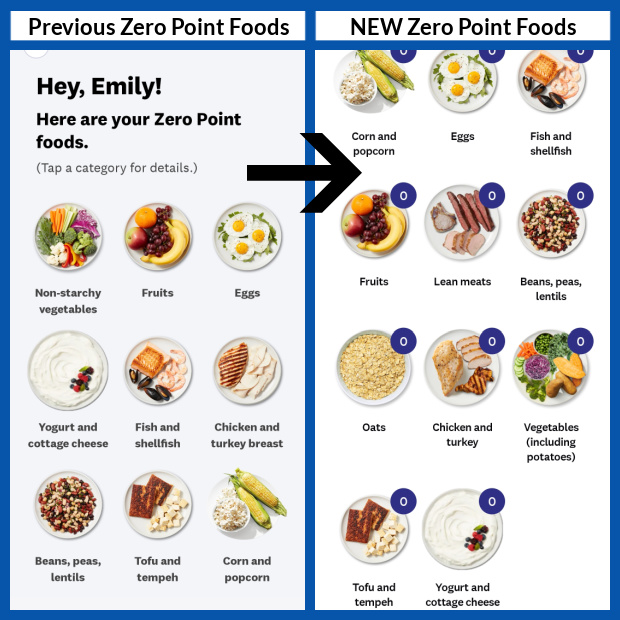
A 3-ounce cooked portion of beef generally delivers around 150–200 calories and 20–30 grams of protein, with no fiber. Under the current formula, that portion usually works out to roughly 4–6 points. The exact number can shift, however, based on three main variables:
1. Cut of Beef
Lean options such as sirloin or flank register fewer points because they contain less fat. Rib-eye or T-bone, while flavorful, carry a higher count. A 3-ounce sirloin might stay near the lower end of the range, whereas the same weight of rib-eye can climb by one or two points.
2. Cooking Style
Grilling, broiling, or roasting without added oil keeps the tally low. Pan-frying or breading adds extra fat and points, so a breaded cutlet can jump several points above its grilled twin.
3. Serving Size
Doubling the portion doubles the points. A 6-ounce steak can land at 8–10 points, and a 12-ounce steak may reach 16–20, quickly consuming a large share of the daily budget.
Fitting Steak into Your Plan
With a few habits, steak can stay on the menu:
1. Pick Lean Cuts
Sirloin, flank, or round steak deliver hearty flavor for fewer points.
2. Cook Simply
Stick to dry-heat methods—grill, broil, or roast—and trim visible fat before cooking.
3. Watch the Scale
Weigh the cooked meat to confirm a 3-ounce portion, or adjust the count if you serve yourself more.

4. Build a Balanced Plate
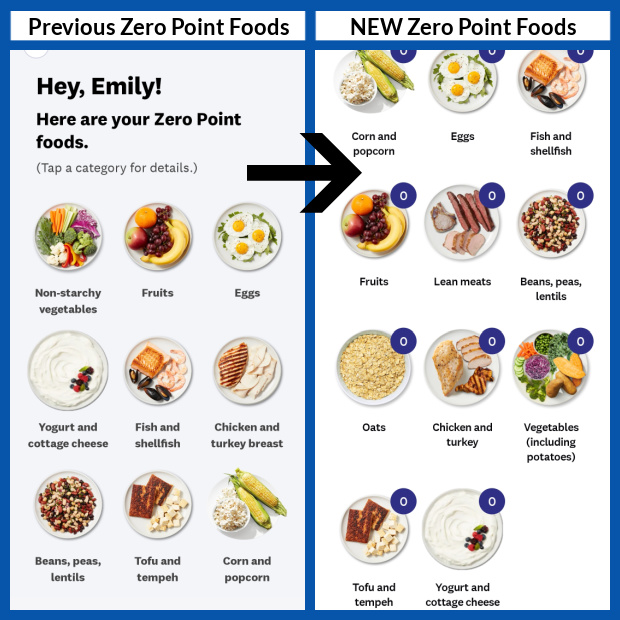
Fill half the plate with non-starchy vegetables and add a small portion of whole grains. The extra volume keeps the meal satisfying while protecting your point balance.
Conclusion
By choosing lean cuts, using low-fat cooking techniques, and keeping portions in check, you can enjoy steak and still stay within your daily point target. As always, personalize your approach with guidance from a qualified health professional to ensure your plan meets individual needs and preferences.


