
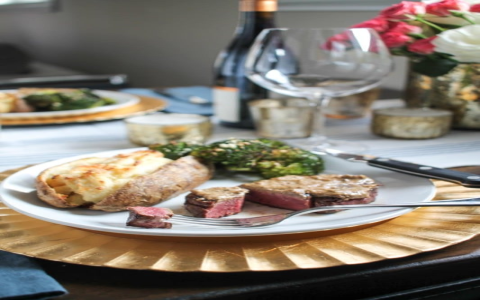

Title: The Art and Science of Menu and Recipe Development
Introduction:
Cooking is both an art and a discipline, and at its center sit the menu and the recipe—quiet architects of every memorable bite. This article looks at why thoughtful menu and recipe design matters, how it shapes guest perception, and which practical steps help kitchens turn ideas into dishes people crave.
The Significance of Menu and Recipe Development
A clear menu and a tested recipe are the first promise a restaurant makes to its guests. They set expectations for flavor, portion, and style, and they give the kitchen a common language for consistency. When that promise is kept, trust grows; when it is broken, even stellar service can feel forgettable.
An inviting menu balances variety with cohesion, hinting at the restaurant’s personality without overwhelming the reader. Meanwhile, a well-written recipe translates vision into repeatable action, guiding heat, timing, and seasoning so that the fifth plate looks and tastes like the first.
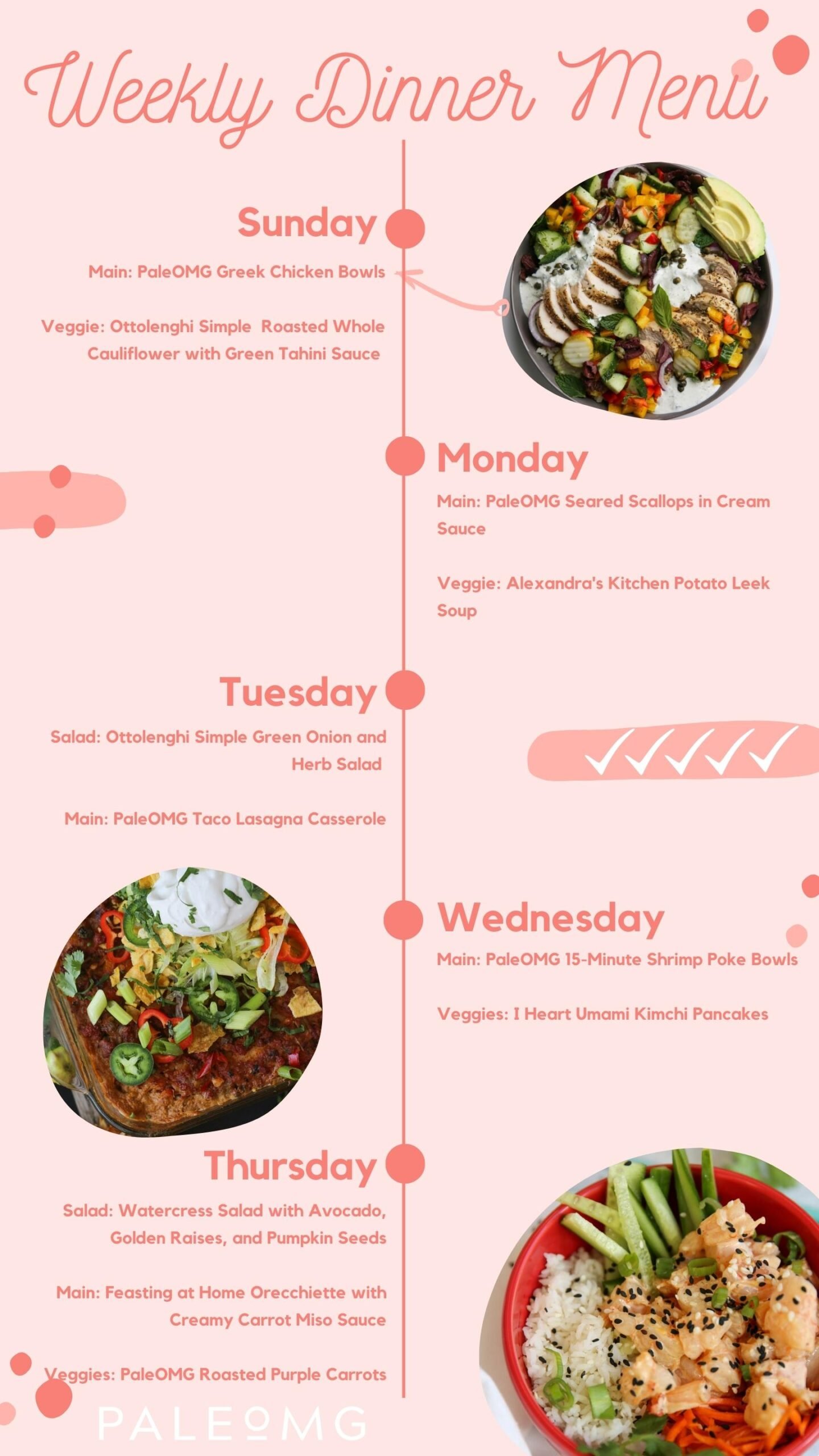
The Role of Menu and Recipe Development in the Culinary Industry
Menus and recipes connect every stakeholder in the food chain:
1. Chefs use them to translate seasonal inspiration into dishes that can be executed under real service pressure.
2. Owners rely on them to align food cost, labor, and brand story while still leaving room for surprise.
3. Guests judge them at a glance, deciding in seconds whether to stay for an hour and, perhaps, return for years.
The Impact of Menu and Recipe Development on Consumer Experience
Every detail whispers to the guest:

1. Visual appeal: clean layout, honest descriptions, and a hint of storytelling invite curiosity before the first bite.
2. Flavor and texture: precise recipes protect the crunch, the sear, and the balance of acid or sweetness that first won applause.
3. Innovation: occasional sparks of novelty—an unfamiliar herb, a playful temperature contrast—create moments guests retell, extending the restaurant’s reach beyond its walls.
Strategies for Menu and Recipe Development
Success rarely arrives by accident; it is built through deliberate loops of inquiry, trial, and refinement:
1. Research: watch dining patterns, study seasonal produce calendars, and note emerging flavor combinations.
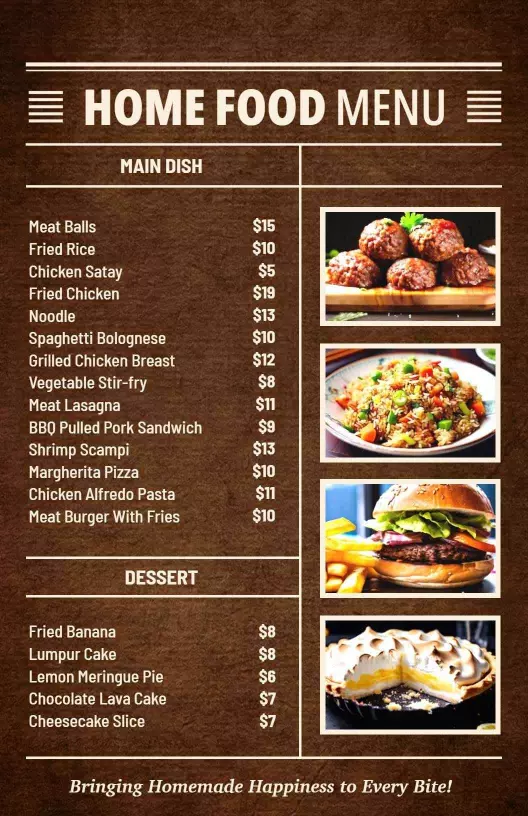
2. Collaboration: invite growers, bartenders, and front-of-house staff into early tastings; fresh perspectives often reveal unseen gaps or opportunities.
3. Testing and tasting: cook the dish repeatedly, under quiet prep conditions and during hectic service, adjusting until it feels inevitable.
4. Training: share not just the steps but the reasoning—when the team understands the “why,” the “how” becomes self-correcting.
5. Continuous improvement: retire items gracefully, introduce new ones thoughtfully, and keep the menu breathing with the rhythm of the year.
Conclusion
Menu and recipe development is the quiet engine of hospitality. It converts raw ideas into reliable pleasure, turning first-time curiosity into long-term loyalty. By staying curious, tasting honestly, and writing recipes that respect both product and people, kitchens can keep that engine humming—one plate, one guest, one memorable evening at a time.
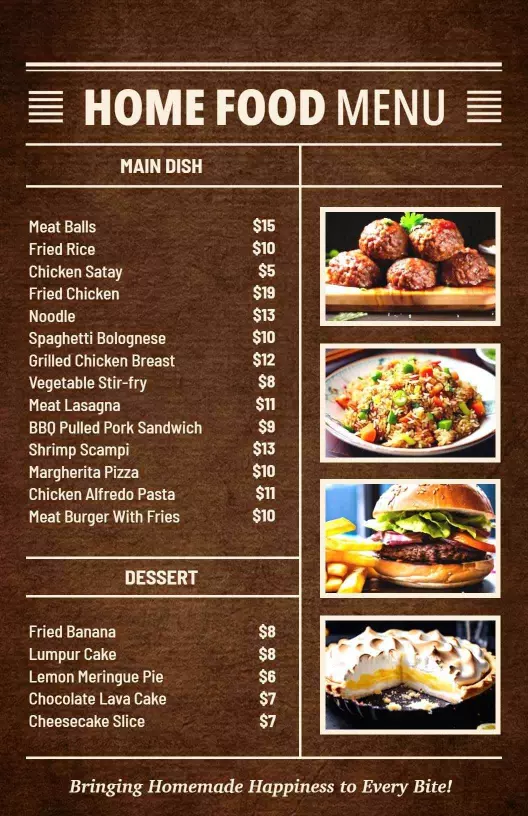
In the end, every restaurant sells a story; menus and recipes are simply the pages guests taste. Polish them often, and the story will tell itself.


