

Title: The Significance of Meal Ingredients in Culinary Art and Nutrition
Introduction:
Ingredients are the heart of every dish, shaping its taste, texture, and nutritional contribution. This article explores why thoughtful ingredient choices matter, how they affect well-being, and the creative freedom they offer cooks at any level. By appreciating what goes into our meals, we can refine both daily menus and long-term eating habits.
The Role of Meal Ingredients in Culinary Art
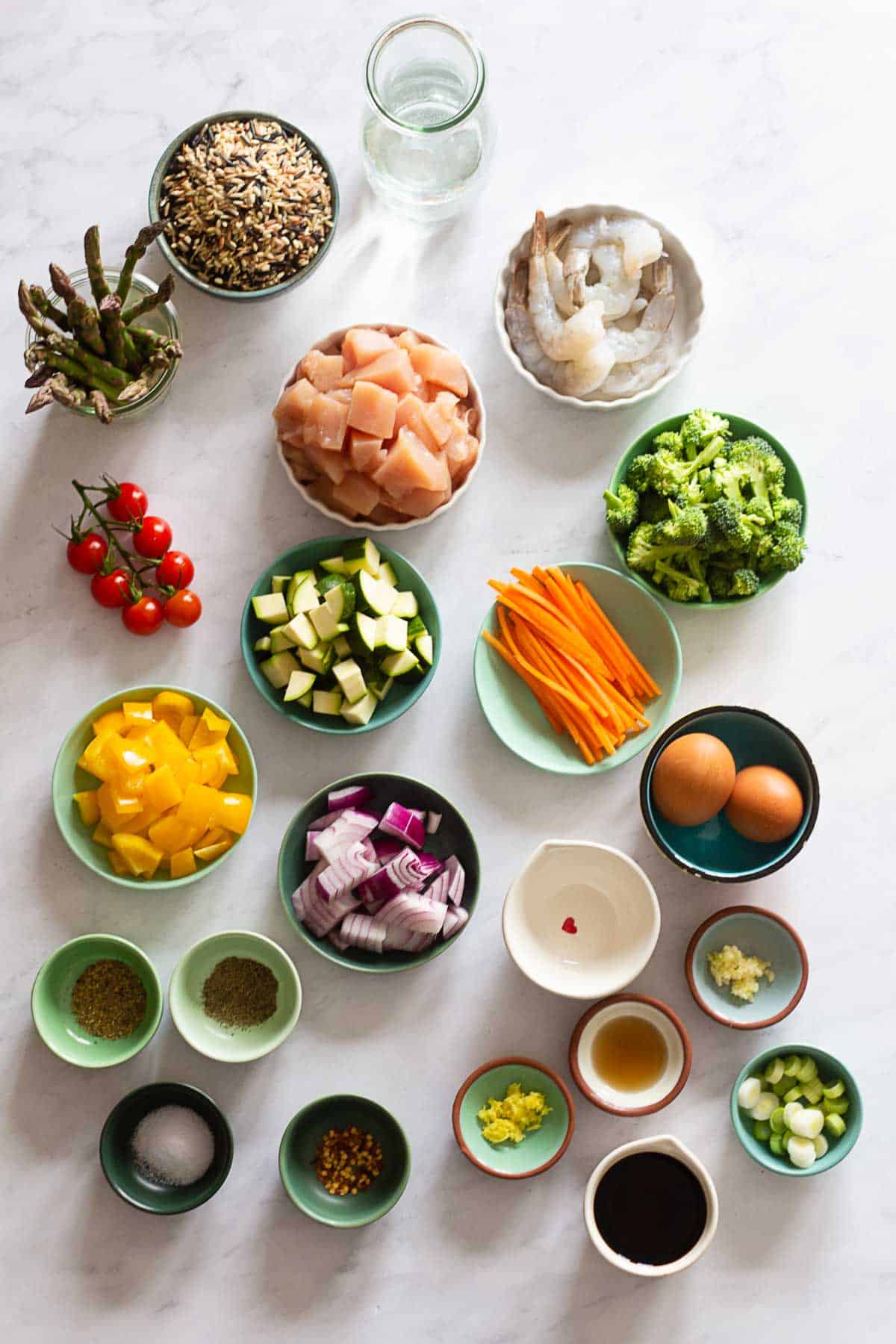
Great cooking begins with selecting the right components. Cooks rely on a wide palette of produce, proteins, herbs, and spices to build plates that delight the eye and the palate. Each item added to the pot or pan influences aroma, mouth-feel, and the final balance of the recipe.
Flavor Profile:
Layering ingredients is the simplest way to adjust taste. A pinch of fragrant basil or a dash of warming spice can lift an otherwise plain dish, while a squeeze of citrus or splash of vinegar can brighten heavier flavors. Skilled cooks taste as they go, trusting ingredients to steer the dish toward harmony.
Texture:
Contrast keeps eating interesting. Combining crisp vegetables, slow-simmered legumes, or a silky purée invites varied sensations in every bite. Grains, nuts, and seeds are easy, reliable tools for adding crunch or pleasant chewiness without complicating technique.
Culinary Creativity:
New or unfamiliar items spark imagination. Swapping everyday rice for an ancient grain, folding roasted fruit into a savory sauce, or finishing a plate with an aromatic oil can transform the ordinary into something memorable. Ingredient exploration is the playground where personal style emerges.
The Impact of Meal Ingredients on Nutrition
Beyond sensory pleasure, ingredients supply the vitamins, minerals, and macronutrients bodies need to thrive. Recognizing these contributions helps build meals that energize, repair, and protect.
Nutritional Value:
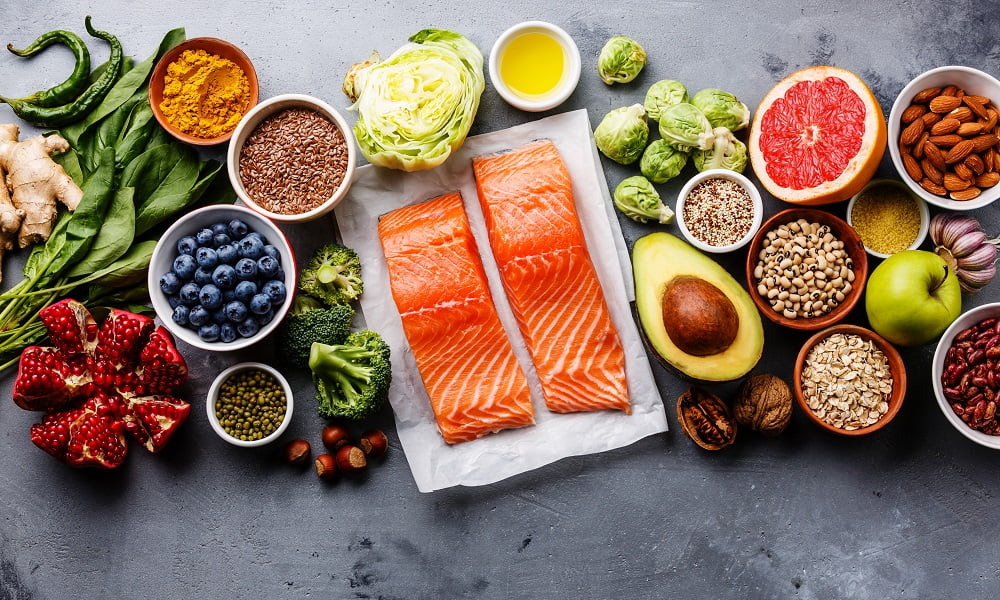
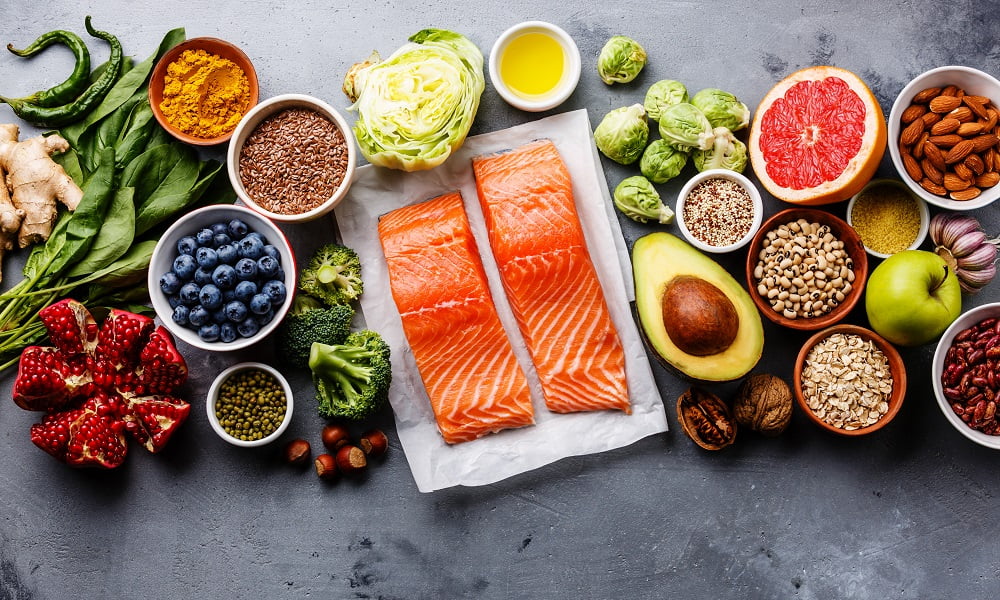
Colorful produce offers antioxidants and fiber, seafood and legumes deliver quality protein, and nuts provide beneficial fats. Rotating choices across food groups spreads nutrient intake across the week, reducing the risk of gaps that can sap vitality.
Balanced Diet:
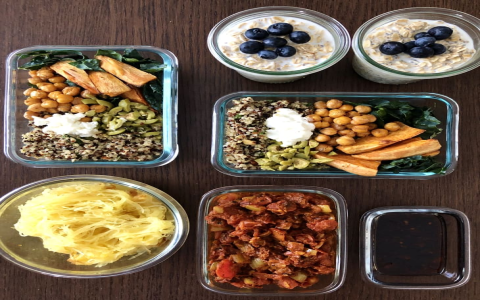
A single bowl can cover multiple needs when it pairs a protein source, complex carbohydrates, healthy fat, and plenty of plants. Visual cues—half the plate filled with vegetables, a palm-sized portion of protein, a thumb of oil—keep balance intuitive without rigid measuring.
Health Benefits:
Regular inclusion of fiber-rich pulses supports digestion; omega-rich fish and seeds may aid cardiovascular function; naturally sweet fruit can satisfy dessert cravings while curbing added sugar. Over time, such simple inclusions promote steady, sustainable wellness.
The Importance of Seasonality and Locality in Meal Ingredients
When ingredients are chosen with an eye on calendar and region, flavor often peaks, environmental strain drops, and local economies gain support.
Seasonality:
Fruits and vegetables harvested at maturity taste better and can be more affordable. Spring greens, summer berries, autumn roots, and winter squash each bring variety to the table, encouraging menus that evolve naturally through the year.
Locality:
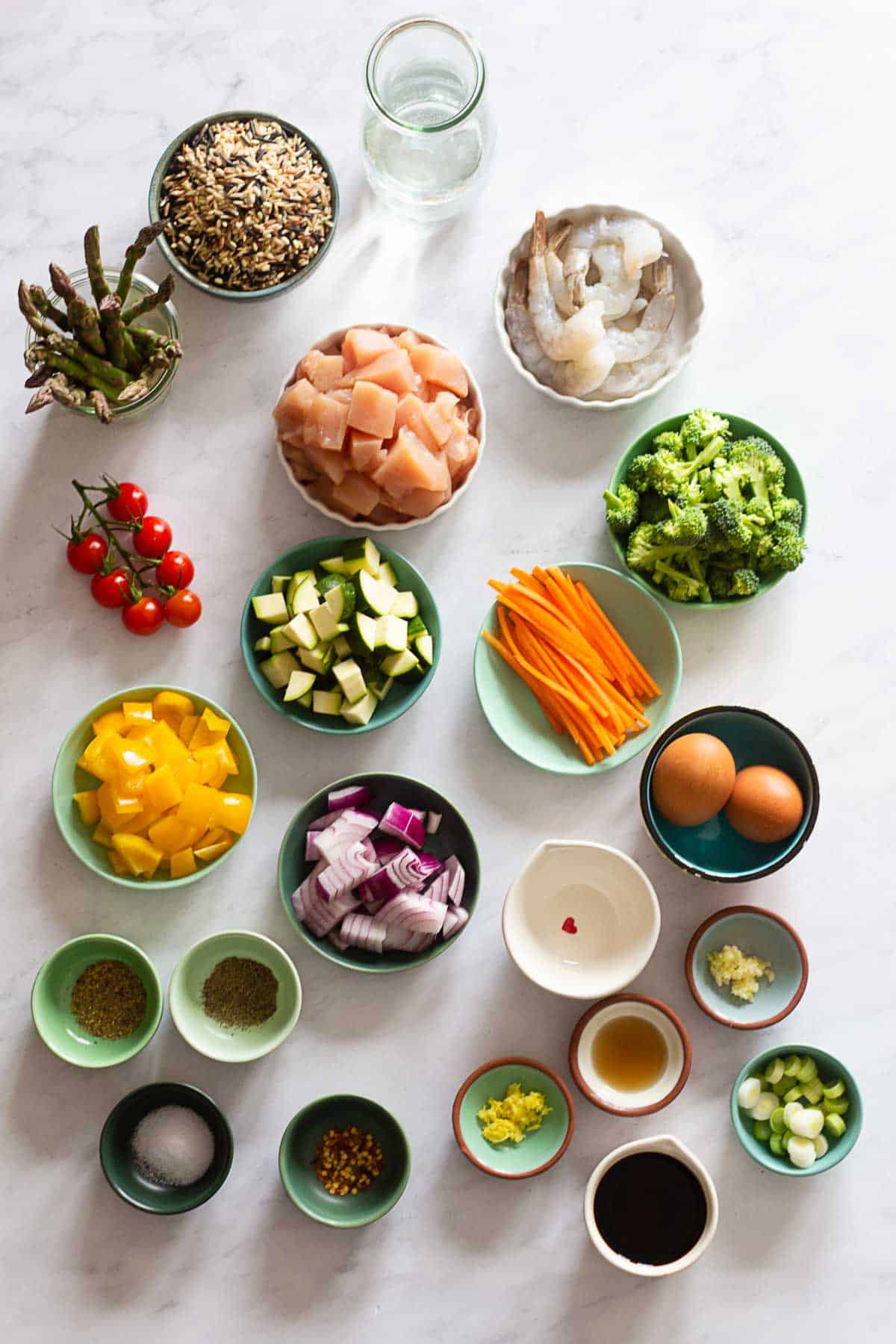
Shorter distances from soil to stove mean fresher food and fewer transport emissions. Visiting neighborhood markets also reconnects consumers with growers, fostering appreciation for the effort behind every tomato or loaf of bread.
Conclusion
Ingredients are storytellers: of soil and season, of culture and creativity, of nourishment and pleasure. Respecting their potential leads to meals that sustain both body and spirit. By staying curious about what we cook and eat, we invite ongoing discovery and a healthier relationship with food.
Recommendations and Future Research
To deepen ingredient knowledge, several avenues deserve attention:
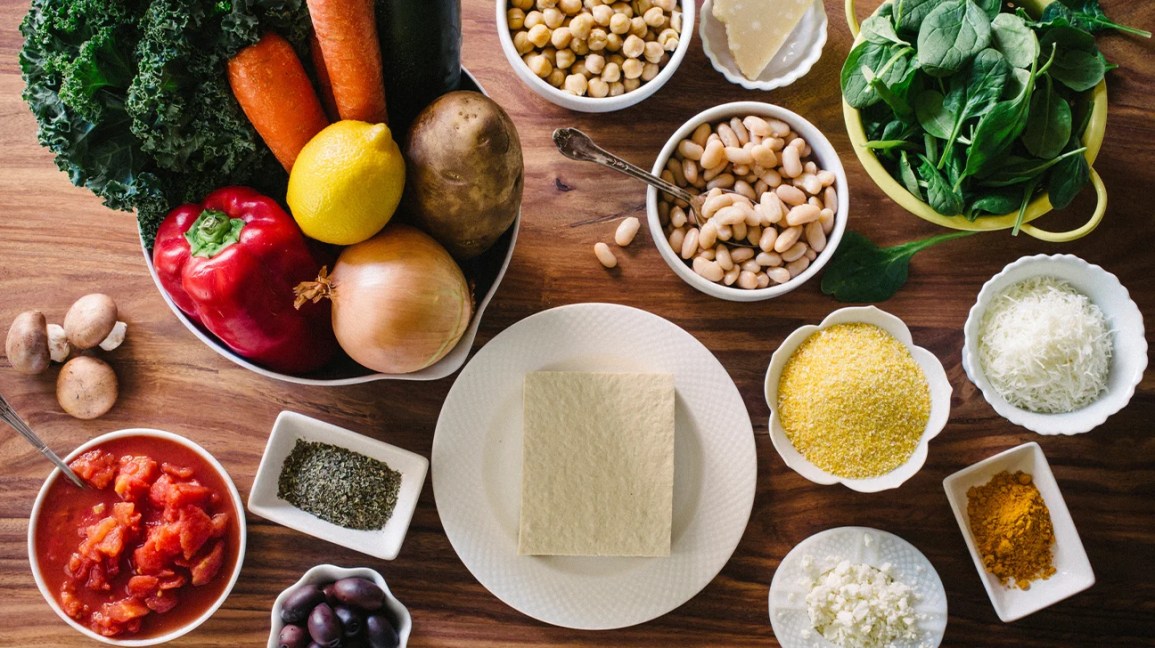
1. Document the nutrient density of underused plants and pulses to diversify everyday diets.
2. Examine how specific ingredient patterns correlate with markers of metabolic and gut health.
3. Expand community programs that teach seasonal cooking and reduce food waste.
4. Apply emerging traceability tools to verify origin and quality, building consumer trust.
Pursuing these directions can strengthen the link between what’s on the plate and the well-being of people and planet alike.


