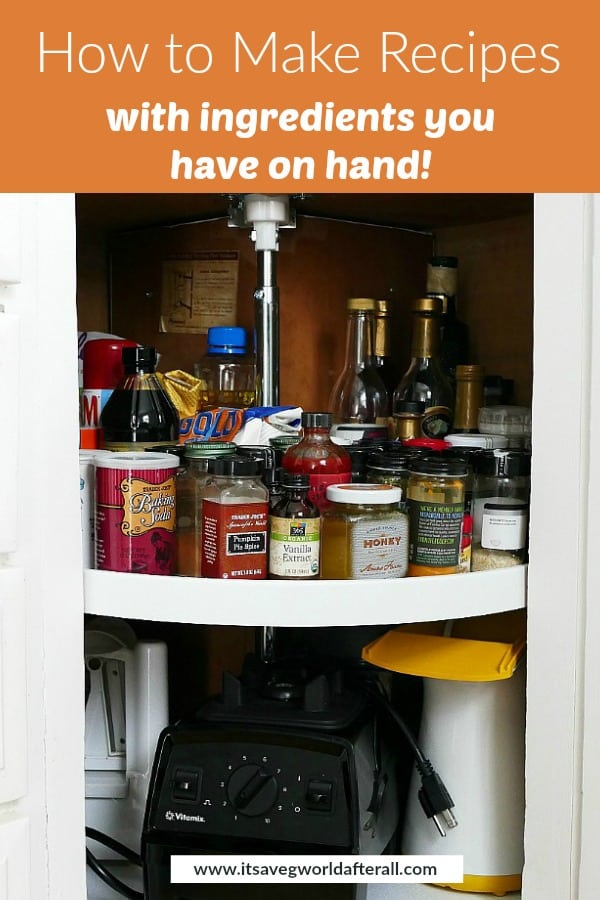

Title: Unleashing Creativity: Crafting Delightful Dishes with Available Ingredients
Introduction:
Cooking is an art that invites imagination, technique, and a love of flavor. When the pantry feels sparse, deciding what to cook can still feel exciting rather than daunting. This article offers simple recipes and flexible methods to turn everyday items into memorable meals. With a few guiding ideas, you can let your kitchen creativity shine and treat everyone at the table to something delicious.
Understanding the Basics: Mastering the Art of Cooking
Before trying new dishes, a quick refresher on core principles helps. Knowing how heat changes food, how flavors balance, and how seasonings lift a plate gives you the confidence to cook without a strict shopping list.
1. Cooking Techniques: Sautéing softens vegetables in minutes, roasting deepens sweetness, and grilling adds gentle smokiness. Switching techniques lets the same carrot or chicken piece taste entirely different.

2. Ingredients: Notice texture, water content, and natural sweetness. A firm potato comforts in a stew, while juicy tomatoes brighten a quick skillet.
3. Seasonings: A pinch of dried herb, a splash of acid, or a spoonful of savory paste can shift a dish from flat to vibrant. Taste as you go and adjust gradually.
Recipe Ideas: Transforming Ingredients into Delightful Dishes
Below are three adaptable blueprints. Swap in whatever you have; the method stays the same.
1. Ingredients I Have: What Can I Make – Vegetable Stir-Fry
Slice any mix of crisp produce—perhaps bell pepper, broccoli, carrot, or snap peas. Warm a little oil in a wide pan, add the vegetables, then toss in strips of tofu, shrimp, or diced chicken. Finish with a quick sauce of soy, garlic, and a hint of ginger. Serve over rice or noodles for a colorful bowl that comes together faster than take-out.

2. Ingredients I Have: What Can I Make – Hearty Soup
Cover chopped potatoes, carrots, or celery with water or broth, add a handful of beans or lentils, and let everything simmer until tender. Stir in leftover cooked meat or a scoop of canned chickpeas for extra body. A bay leaf, a dash of cumin, and a squeeze of lemon at the end round out the flavor.
3. Ingredients I Have: What Can I Make – Quick and Easy Pasta
Boil pasta until al dente. While it cooks, soften spinach, mushrooms, or zucchini in olive oil. Toss the drained pasta into the skillet, add grated cheese or a spoon of pesto, and loosen with a splash of the starchy pasta water. Dinner is ready before the table is set.
Embracing Creativity: Experimenting with Flavors and Ingredients
Once the basics feel friendly, playfulness takes over. Try these sparks:
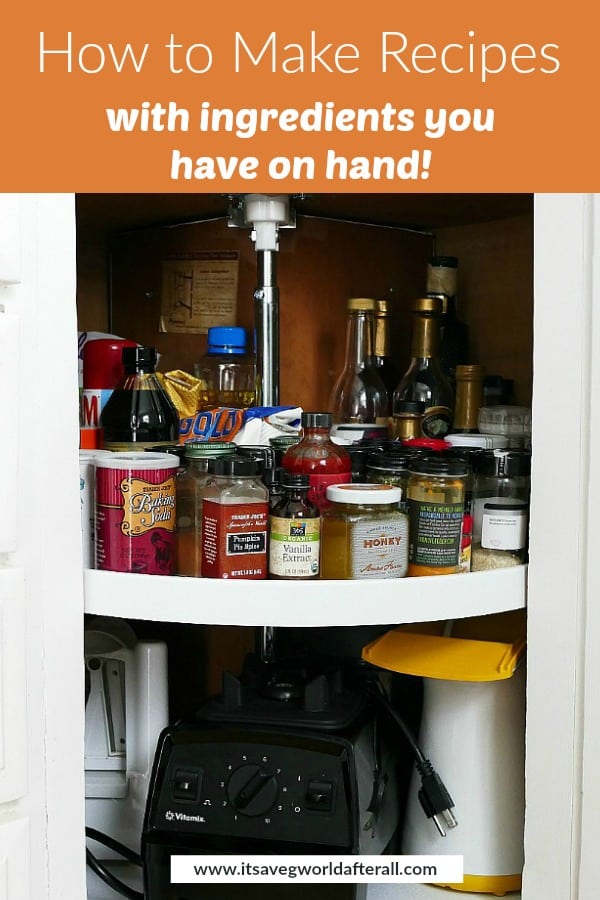
1. Think outside the box: A whisper of citrus zest in a savory stew or a touch of cocoa in a chili can add depth without shouting.
2. Use herbs and spices: Reach for warm paprika, fragrant coriander, or a pinch of mixed pepper flakes. Start small, taste, and build.
3. Embrace leftovers: Yesterday’s roasted vegetables become today’s taco filling or salad topper. A little re-imagining saves time and reduces waste.
Conclusion
Cooking with what you already have is less about limitation and more about possibility. By leaning on simple techniques, trusting your palate, and welcoming surprises, you can turn modest staples into plates that feel special. Keep tasting, keep adjusting, and let the kitchen stay a place of happy experiments.
Share the results, savor the process, and remember: every ingredient is a quiet invitation to create. Next time you open the fridge, smile and ask, “What delicious story can we cook up today?”