
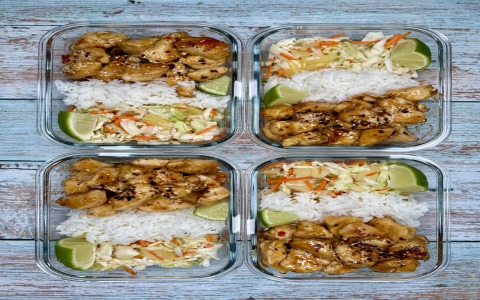

Healthy Cooking Shows: A Fresh Take on Everyday Meals
Introduction
Cooking programs have quietly reshaped how we think about dinner. By spotlighting lighter, brighter dishes, they invite viewers to trade take-out for home-made without feeling deprived. This piece looks at how these shows influence shopping lists, kitchen confidence, and long-term habits.
The Benefits of Healthy Cooking Shows
Nutritional Know-How
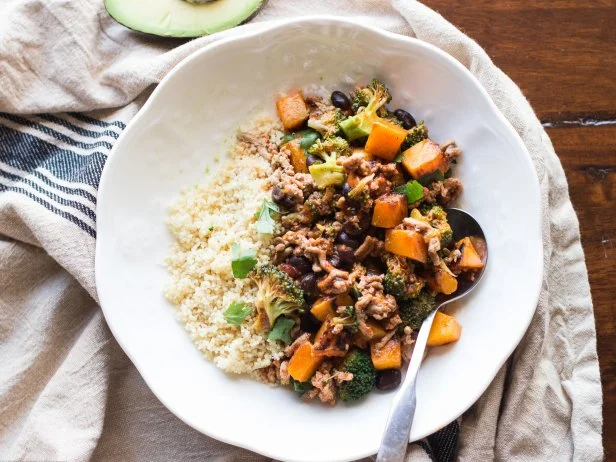
Hosts break down why sweet potatoes beat white ones, how to swap cream for yogurt, and when to stop salting. Over time, these bite-sized lessons build a mental database shoppers use well after the credits roll.
Kitchen Confidence
Step-by-step demos turn intimidating grains like quinoa or farro into weeknight staples. Once viewers see a dish come together in twenty minutes, they are more willing to recreate it, tweak it, and eventually invent their own.
Better Everyday Habits
By repeating simple messages—half the plate for vegetables, water first, dessert later—shows nudge families toward balanced routines without preaching.
Challenges to Watch For
Picture-Perfect Pressure
Television kitchens have prep crews and perfect lighting. When a rushed parent’s kale chips wilt instead of crisp, discouragement follows. Remember: taste matters more than studio shine.
Hidden Sales Pitches
Some segments slip brand names into ingredient lists. A quick pause to check labels keeps the focus on health, not hype.
Where the Format is Headed
Smart Kitchen Links
Apps now sync with ovens and fridges, suggesting recipes that use what you already have and adjust portions to household size, cutting both effort and waste.
Planet-Friendly Plates
Expect more episodes on root-to-leaf cooking, seasonal produce, and meat-as-a-flavor rather than the main event, appealing to viewers who want lighter footprints.
Expert Team-Ups
Dietitians are joining hosts on set to answer questions in real time, adding credibility and clearing up food myths on the spot.
Conclusion
Healthy cooking shows have moved from niche to mainstream, guiding shoppers toward colorful carts and calmer kitchens. As tech and sustainability step in, the genre will keep evolving, but the core promise stays the same: good food, simply prepared, shared with people you like.
Recommendations
To get the most from every episode:
1. Treat recipes as flexible blueprints, not rigid rules.
2. Compare on-screen claims with trusted health sites or local clinics.
3. Use connected tools to tailor dishes to taste, budget, and what’s already in the pantry.
4. Choose local produce when possible, and compost scraps to close the loop.
Follow these small steps and the screen-to-stove journey becomes a lasting upgrade rather than a one-night experiment.


