
The Importance of Home-Cooked Meals
Introduction
Sharing food prepared in one’s own kitchen has always been central to family routines and cultural identity. In today’s hurried world, ready-made options often edge out the saucepan, yet more people are rediscovering the rewards of cooking for themselves. This article looks at why home-prepared dishes matter, touching on health, social ties, and the preservation of culinary heritage.
Health Benefits of Home-Cooked Meals
1. Nutritional Value
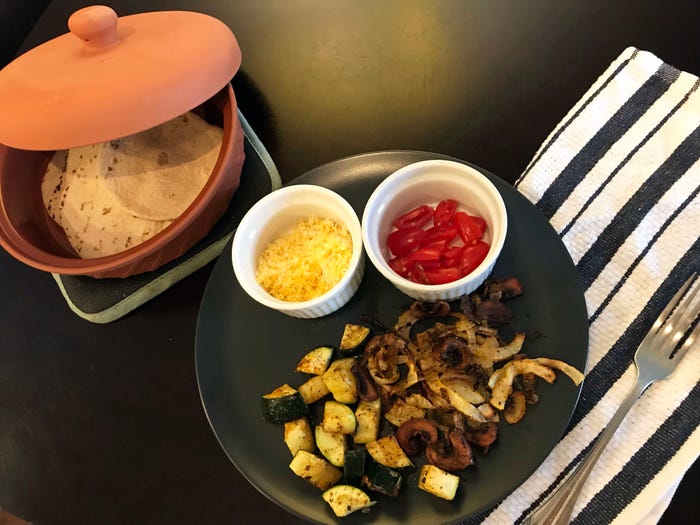
When meals are assembled at home, the cook decides what goes in. That simple freedom usually means more produce, leaner proteins, and lighter seasoning, leading to plates that deliver a wider range of vitamins and minerals than the average take-away box.
2. Portion Control
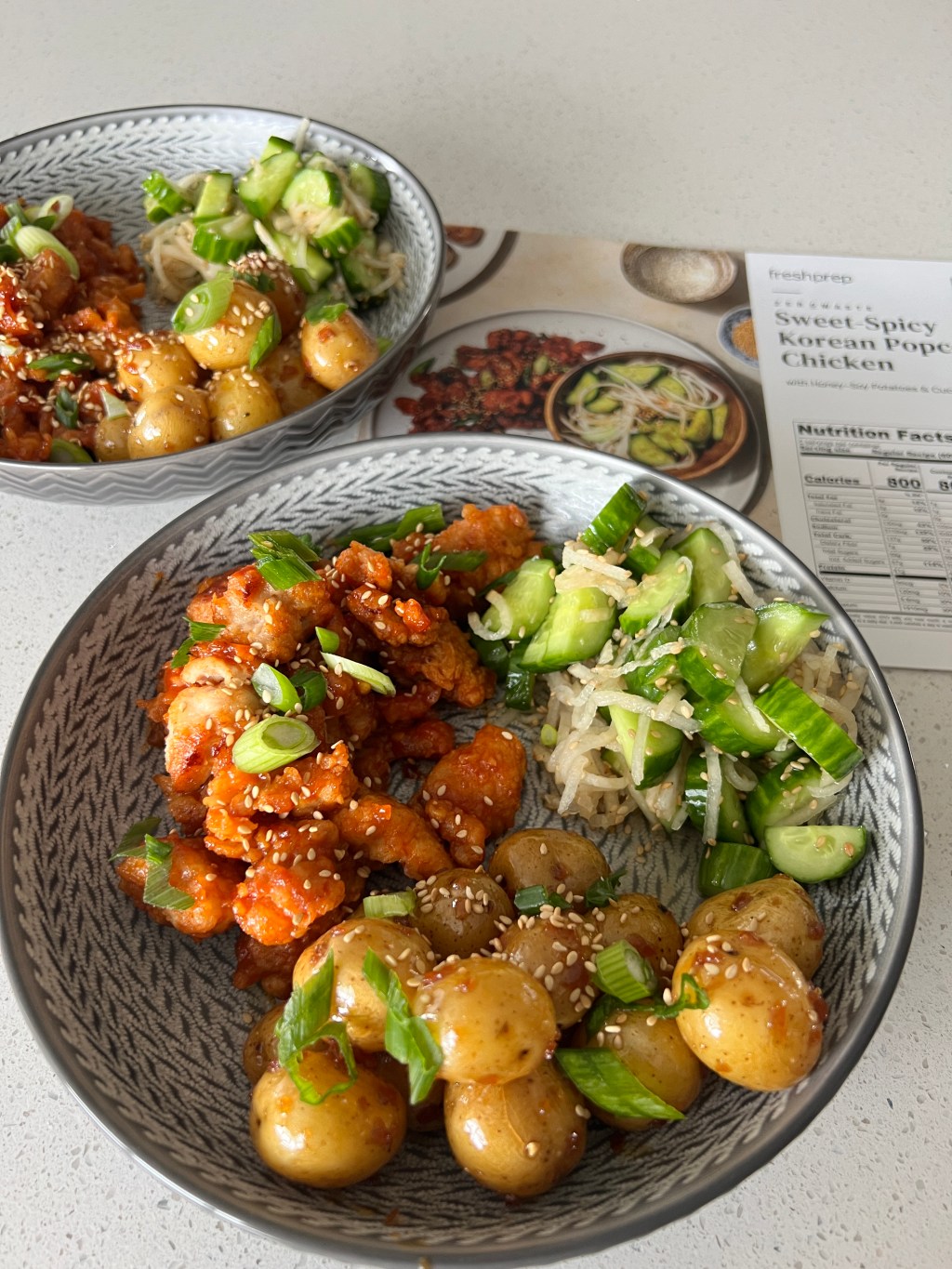
Family servers tend to be smaller than restaurant ones, and second helpings are a conscious choice rather than an automatic refill. Preparing food yourself therefore makes it easier to match quantity to real hunger and personal nutrition goals.
3. Reduced Risk of Chronic Diseases
Consistently eating balanced, home-made fare is linked to healthier body weight and steadier blood-sugar levels, both of which lower the long-term risk of conditions such as type-2 diabetes and cardiovascular disease.
Social and Emotional Well-Being
1. Strengthening Family Bonds
Chopping, stirring, and tasting together turn mealtime into a shared project. Those relaxed minutes around the stove or table create space for conversation, eye contact, and the small daily updates that knit people close.
2. Stress Reduction
The rhythmic tasks of slicing vegetables or kneading dough invite mindfulness, giving cooks a gentle break from screens and schedules. Many describe the process itself as a creative outlet that lifts mood and lowers tension.
Cultural Preservation
1. Passing Down Traditions
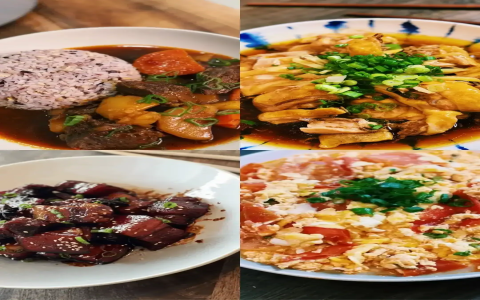
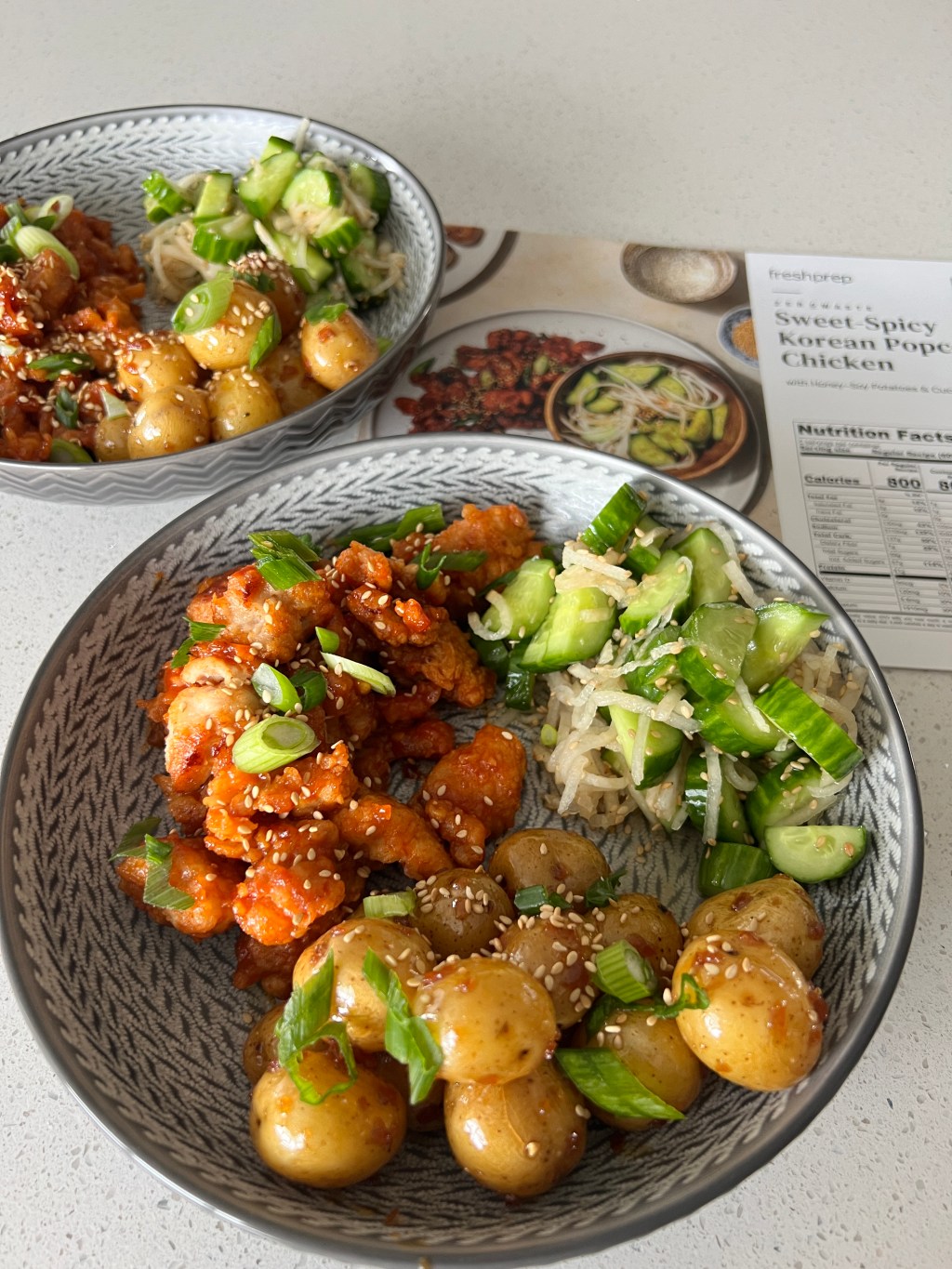
Grandmother’s spice blend or the proper fold of a dumpling carries stories that textbooks cannot. Teaching these techniques keeps ancestry alive, offering younger generations both skill and a sense of belonging.
2. Encouraging Local Cuisine
Shopping at neighborhood markets for fresh, seasonal ingredients supports regional growers and keeps traditional flavors in circulation, strengthening community economies and reducing the carbon footprint of long supply chains.
Conclusion
From brighter nutrition to warmer relationships and living cultural memory, the simple act of cooking at home ripples outward in powerful ways. Valuing and encouraging this habit can nurture healthier bodies, closer families, and richer, more resilient communities.

Recommendations and Future Research
To keep the home-cooking movement growing, consider these steps:
1. Public campaigns that celebrate quick, budget-friendly recipes and their health pay-offs.
2. Community kitchens and free evening classes where neighbours learn basic techniques side by side.
3. Partnerships among schools, clinics, and local leaders to weave food skills into everyday education and care.

Areas worth exploring further include:
1. Long-term health patterns among people who cook most of their meals.
2. The psychological effects of regular home cooking on stress, self-esteem, and family cohesion.
3. Ways to motivate diverse households to view the kitchen as an accessible, enjoyable space.
By championing home-cooked food today, we invest in a society that is healthier, more connected, and proudly rooted in its culinary stories.