
Title: How Streamlined Recipe Platforms Are Reshaping Everyday Cooking
Introduction:
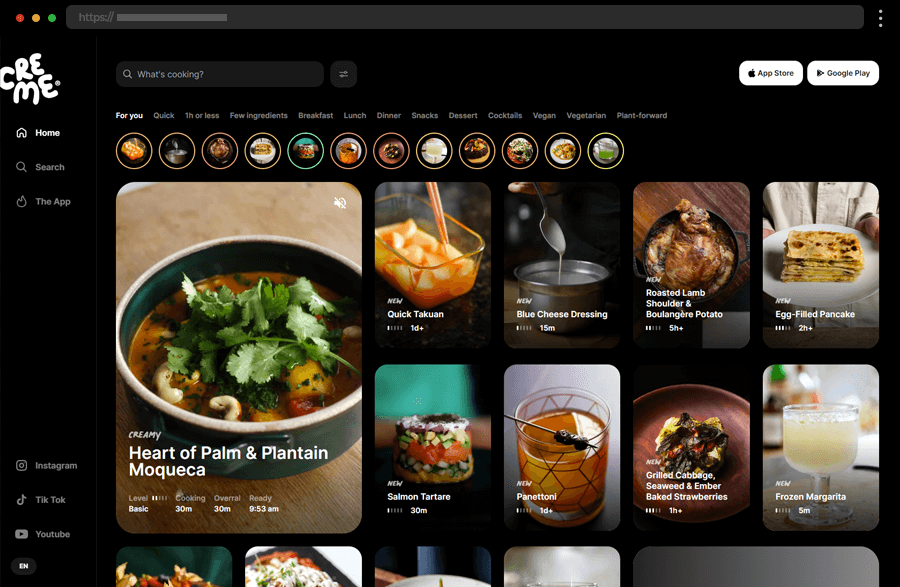
Over the past decade, streamlined recipe platforms have quietly transformed how people plan, prepare, and share food. By gathering thousands of dishes in one searchable space, they have lowered the barrier to entry for home cooks everywhere. This overview examines how these services influence daily cooking habits, highlighting their strengths, common pitfalls, and possible next steps.
Benefits of Streamlined Recipe Platforms
1. Instant Access to Global Inspiration:
Users can jump from breakfast in Tokyo to dinner in Marrakesh within seconds. Filters for diet, skill level, or available ingredients make it simple to match a dish to any occasion, encouraging tastier and more varied meals at home.
2. Faster, Budget-Friendly Meals:
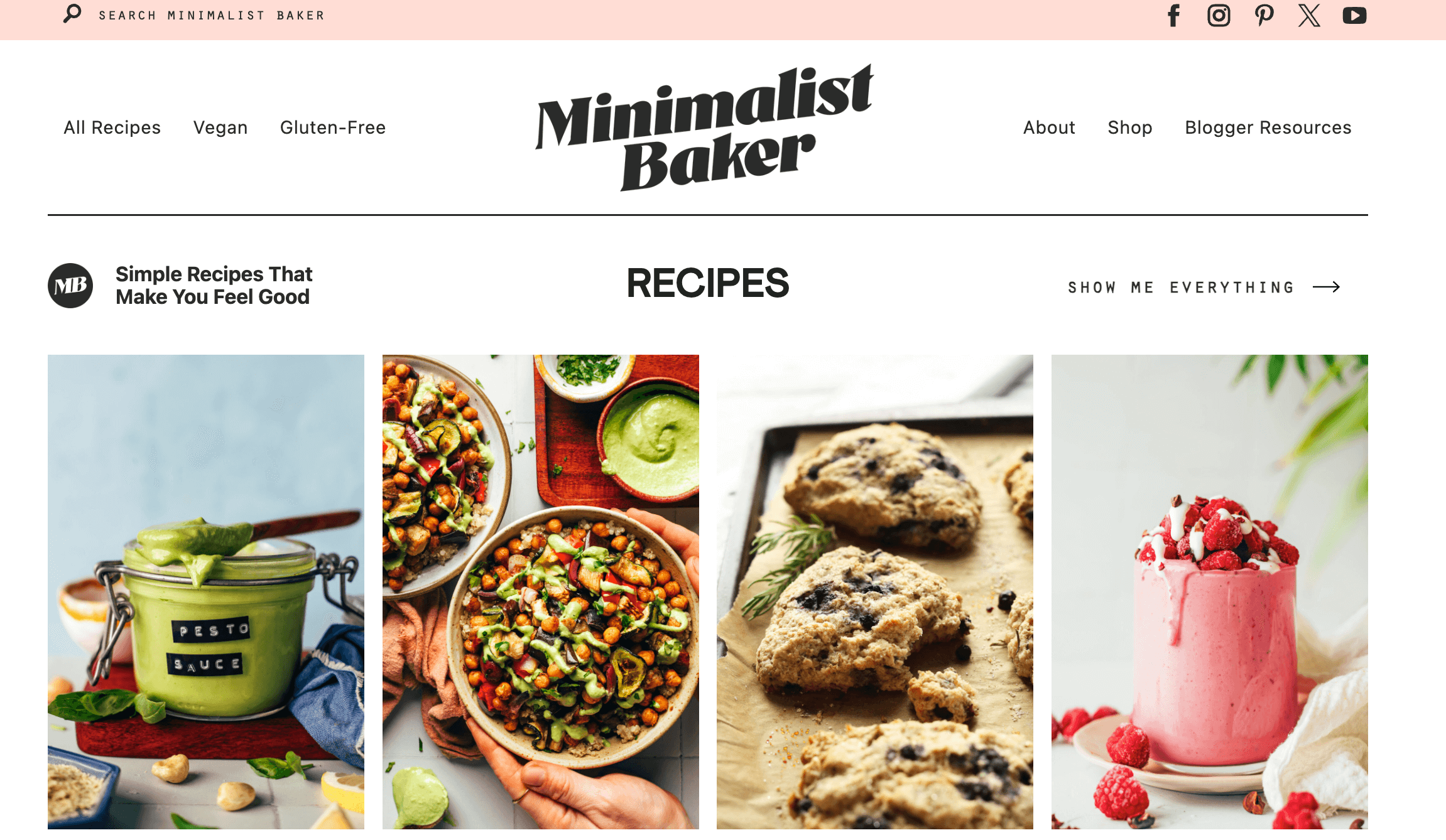
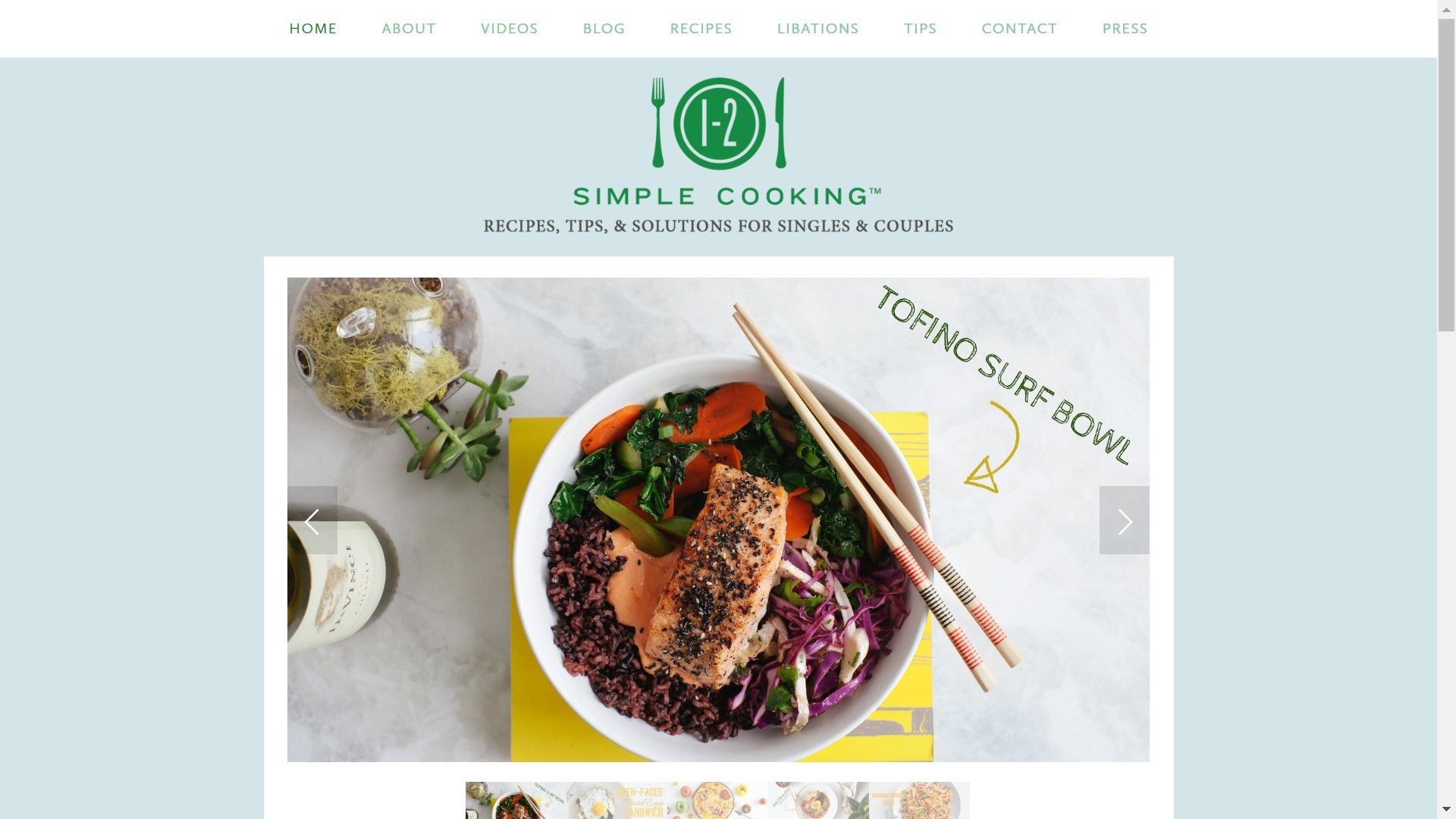
Most featured recipes emphasize short ingredient lists and flexible substitutions, helping cooks save both time and money. Step-by-step photos and video clips further shorten the learning curve, turning weeknight stress into relaxed creativity.
3. Spark for Culinary Experimentation:
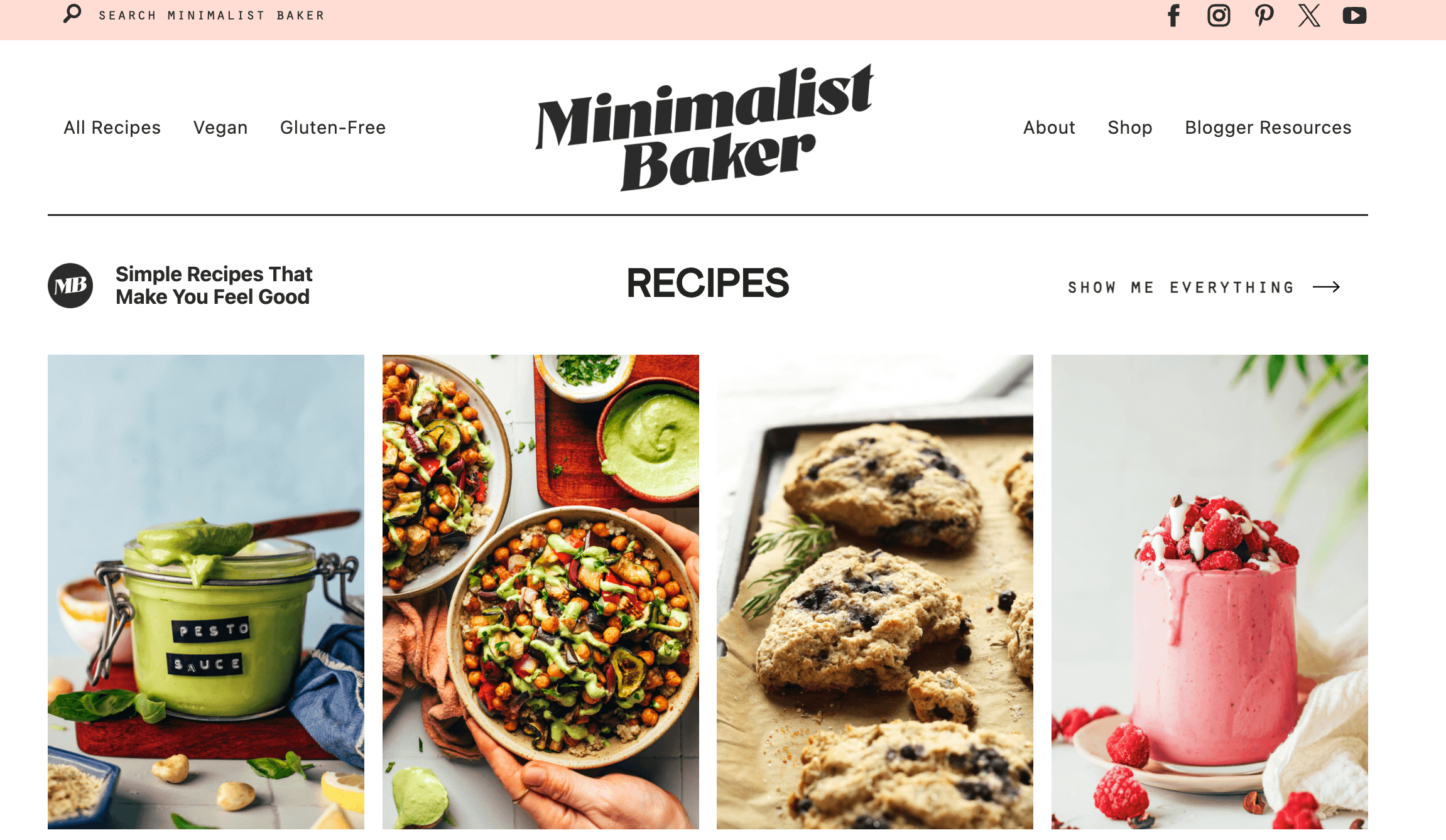
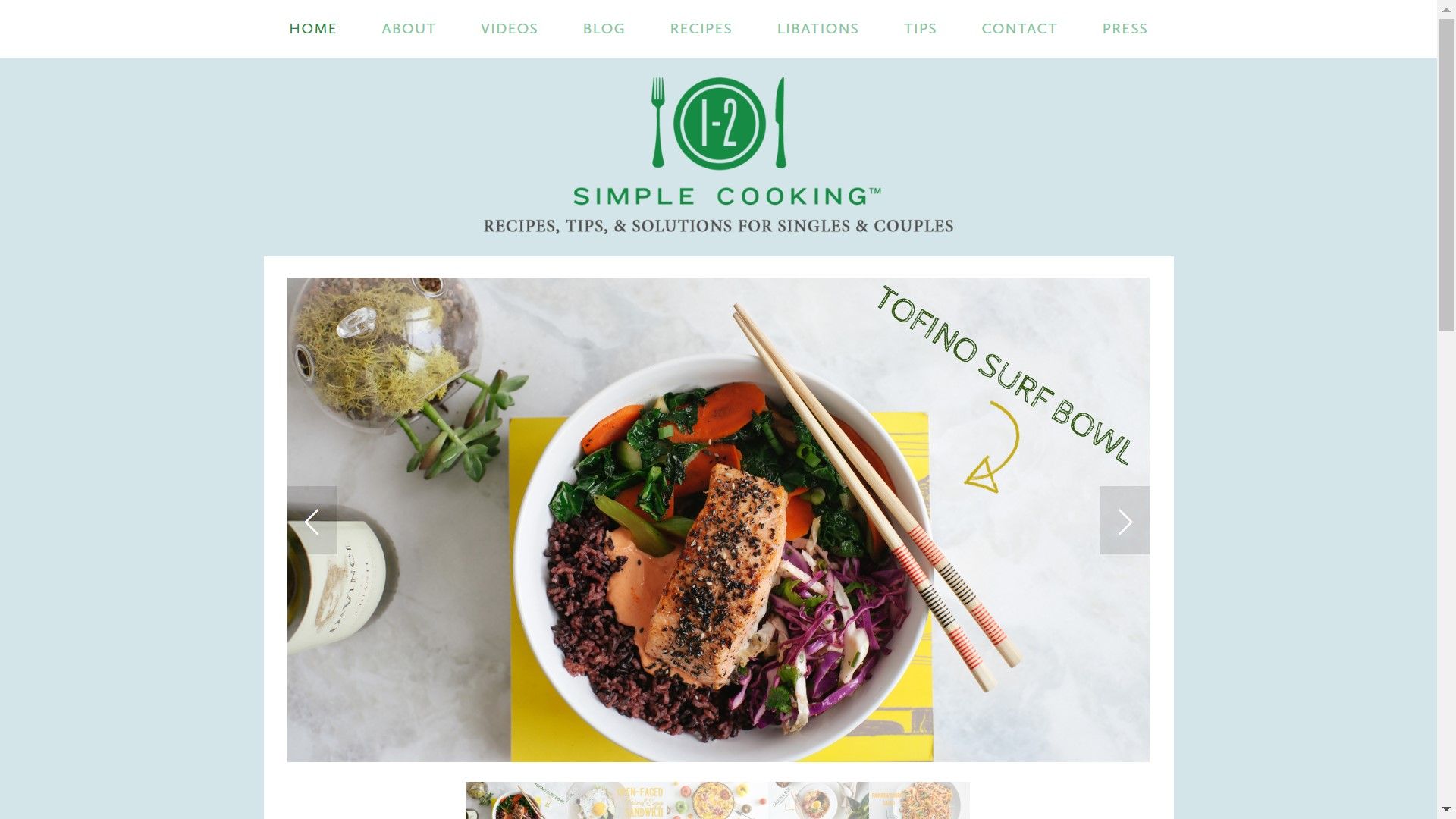
Browsing vibrant galleries of finished plates nudges even cautious cooks to swap spices, try new produce, or combine leftovers in unexpected ways. The result is a playful, personalized approach to everyday eating.
4. Shared Learning Spaces:
Comment sections and photo uploads create lively forums where successes, flops, and tweaks are exchanged in real time. This collective wisdom often proves more valuable than any single recipe card.
Challenges of Streamlined Recipe Platforms
1. Inconsistent Recipe Standards:
Because anyone can post, measurements, timings, or techniques sometimes clash, leading to uneven outcomes. Cooks may need to cross-check several versions before feeling confident.
2. Risk of Passive Dependence:
Constant scrolling can replace genuine skill building. When devices disappear, some home cooks feel unsure about basic ratios or seasoning without guided prompts.
3. Possible Safety Gaps:
Advice on storage temperatures, cross-contamination, or allergen swaps is not always accurate. Users must stay alert and consult reputable food-safety sources when in doubt.
Future Implications and Recommendations
1. Raising the Quality Bar:
Platforms can introduce clearer style guides, require test notes, and highlight community-rated “tried-and-true” badges, steering visitors toward reliable dishes first.
2. Balancing Digital and Hands-On Learning:
Pairing online inspiration with local workshops, library cookbooks, or simple at-home challenges helps cooks internalize fundamentals and trust their senses.
3. Strengthening Safety Messaging:
Brief pop-ups about safe minimum temperatures, proper knife handling, or allergen alerts can appear at key moments, embedding good habits without dampening enthusiasm.
Conclusion:
Streamlined recipe platforms have become indispensable kitchen companions, opening global pantries to anyone with a screen. By refining content quality, encouraging real-world practice, and foregrounding safety, these services can keep nurturing confident, creative home cooks for years to come.