

The Art and Science of Cooking: A Comprehensive Recipe for Culinary Excellence
Introduction
Cooking, an age-old practice, transcends mere sustenance; it is an art form that combines creativity, technique, and culinary expertise. A well-crafted recipe is the blueprint for culinary success, guiding cooks through the process of transforming raw ingredients into mouth-watering dishes. This article delves into the intricacies of cooking, exploring the science behind it, and providing a comprehensive recipe for culinary excellence.
The Science of Cooking
Cooking is not just about following a recipe; it is a scientific process that involves chemical reactions, temperature control, and understanding the properties of ingredients. The following sections will explore some key scientific principles that underpin cooking.
Heat Transfer
Heat is the driving force behind cooking. It is responsible for denaturing proteins, breaking down cell walls, and activating enzymes. The rate of heat transfer depends on the method of cooking, such as boiling, baking, or frying. Understanding heat transfer is crucial for achieving the desired texture and flavor in a dish.
Maillard Reaction
The Maillard reaction is a chemical reaction that occurs when amino acids and reducing sugars are heated together. This reaction is responsible for the browning and flavor development in cooked foods. It is the reason why seared steak has a rich, savory taste and why toasted bread has a nutty flavor.
Enzymatic Reactions
Enzymes are proteins that act as catalysts in biological reactions. In cooking, enzymes can break down complex molecules into simpler ones, leading to improved texture and flavor. For example, the enzyme amylase breaks down starch into sugars, which can enhance the sweetness of a dish.
The Importance of a Well-Crafted Recipe
A well-crafted recipe is the cornerstone of successful cooking. It provides a clear, step-by-step guide that ensures consistency and quality in the final dish. The following sections will discuss the key components of a good recipe.
Ingredients
The quality of ingredients is paramount in cooking. Fresh, high-quality ingredients will yield better results than those that are stale or low in quality. A good recipe will specify the type and quality of ingredients needed, ensuring that the final dish is as delicious as possible.
Measurements
Accurate measurements are essential for achieving consistent results. A recipe that calls for a specific amount of salt, sugar, or flour should be followed precisely to ensure the desired flavor and texture.
Techniques
A well-crafted recipe will provide detailed instructions on how to prepare and cook the dish. This includes information on cooking times, temperatures, and techniques such as sautéing, roasting, or simmering.
Timing
Timing is crucial in cooking, as it ensures that each ingredient is cooked to perfection. A good recipe will provide a timeline for the cooking process, allowing the cook to monitor the dish’s progress and make adjustments as needed.
A Comprehensive Recipe for Culinary Excellence
The following recipe is a testament to the power of a well-crafted recipe. It is a simple yet delicious dish that showcases the art and science of cooking.
Ingredients
– 4 boneless, skinless chicken breasts
– 1 tablespoon olive oil
– 2 cloves garlic, minced
– 1 teaspoon dried thyme
– 1 teaspoon dried rosemary
– Salt and pepper to taste
– 2 tablespoons lemon juice
– 2 tablespoons olive oil
– 1 tablespoon Dijon mustard
– 1 teaspoon honey
– 1/2 cup chicken broth
– 1/2 cup white wine
– 1/4 cup heavy cream
Instructions
1. Preheat the oven to 375°F (190°C).
2. In a large skillet, heat the olive oil over medium heat. Add the chicken breasts and cook for 3-4 minutes on each side, or until golden brown. Remove the chicken from the skillet and set aside.
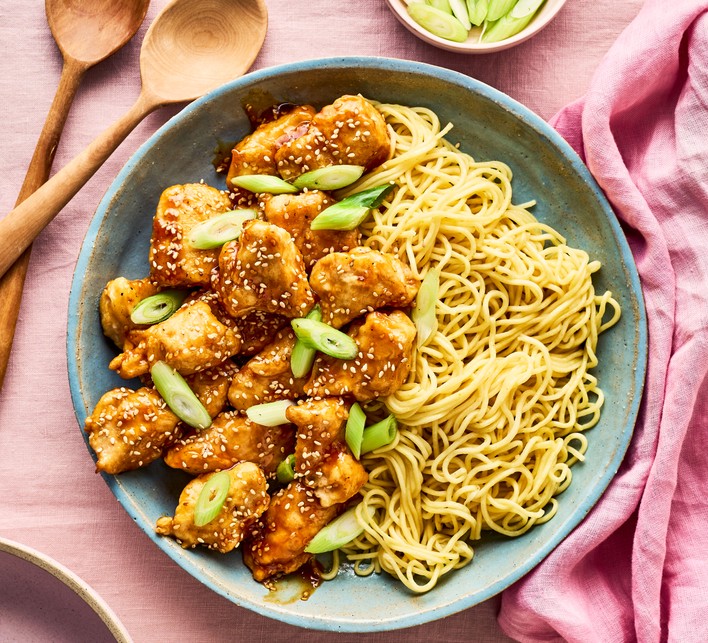
3. In the same skillet, add the minced garlic, thyme, and rosemary. Cook for 1 minute, then return the chicken to the skillet.
4. Season the chicken with salt and pepper, then add the lemon juice, olive oil, Dijon mustard, and honey. Stir to combine.
5. Pour in the chicken broth and white wine, then bring the mixture to a boil. Reduce the heat to a simmer and cover the skillet with a lid.
6. Cook the chicken for 20-25 minutes, or until fully cooked. Remove the skillet from the heat and let the chicken rest for 5 minutes.
7. In a separate saucepan, combine the heavy cream and chicken broth. Bring the mixture to a simmer and cook for 5 minutes, or until slightly thickened.
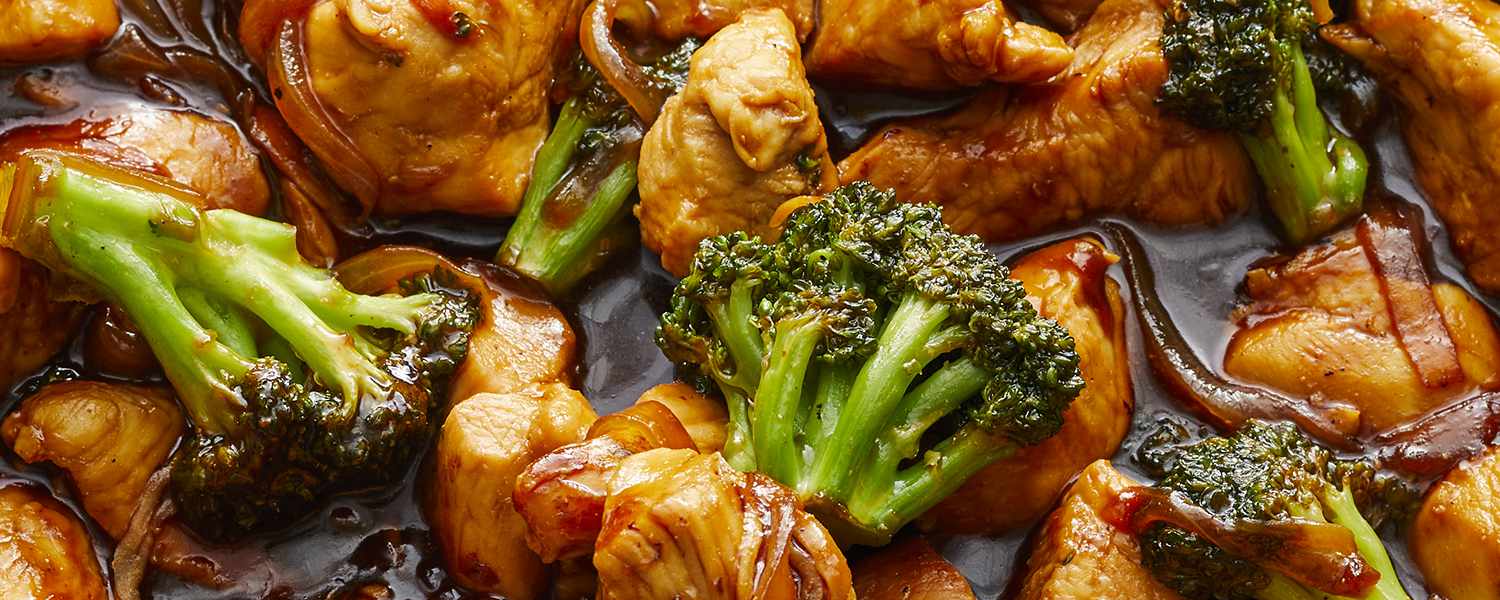
8. Slice the chicken and serve with the creamy sauce.
Conclusion
Cooking is a blend of art and science, requiring a well-crafted recipe to guide the process. By understanding the scientific principles behind cooking and following a comprehensive recipe, cooks can achieve culinary excellence. This article has explored the importance of a well-crafted recipe, the science of cooking, and provided a comprehensive recipe for culinary excellence. As the culinary landscape continues to evolve, it is essential for cooks to stay informed and adapt to new techniques and ingredients. With a passion for cooking and a well-crafted recipe, anyone can become a culinary artist.


