The Art and Science of Culinary Preparation
Introduction
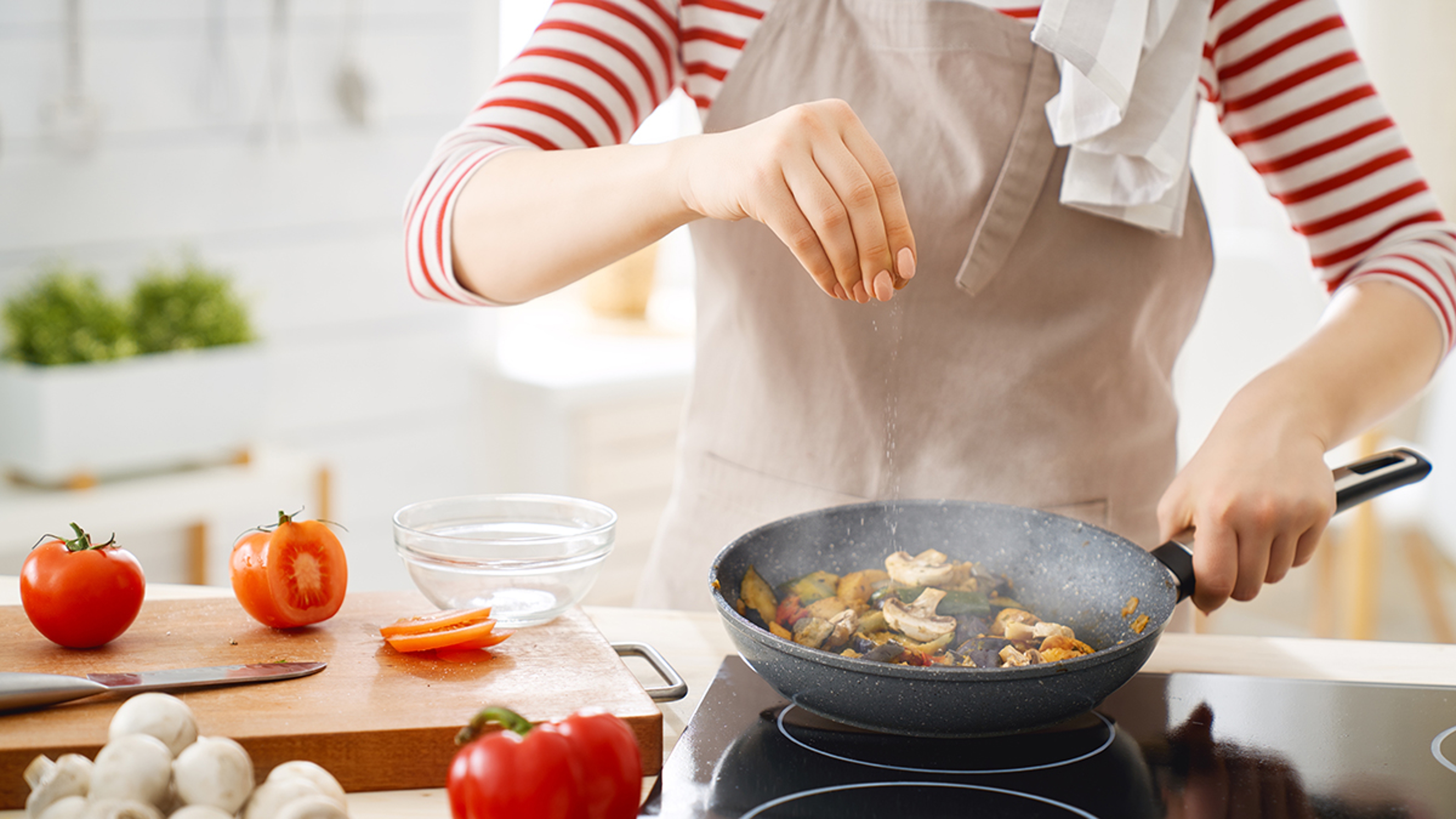
Culinary preparation is an ancient craft that has matured alongside humanity, weaving together culture, tradition, and creativity. Far more than a routine chore, it offers a canvas for self-expression, a vessel for heritage, and a bridge between people. This article explores the rich universe of cooking, tracing its history, techniques, nutritional influence, and social significance.
The Historical Evolution of Culinary Practice
Historical Roots
Early communities discovered that fire could transform raw ingredients into safer, tastier, and more nourishing meals. This breakthrough set cooking on a continuous path of refinement, shaped by climate, available resources, and shared customs.
Medieval and Renaissance Innovations
Between the Medieval and Renaissance eras, kitchens became laboratories of flavor. New seasonings arrived, professional cooks emerged, and elaborate presentations turned meals into multisensory experiences, elevating everyday fare into edible art.
Techniques and Methods of Cooking
Basic Cooking Techniques
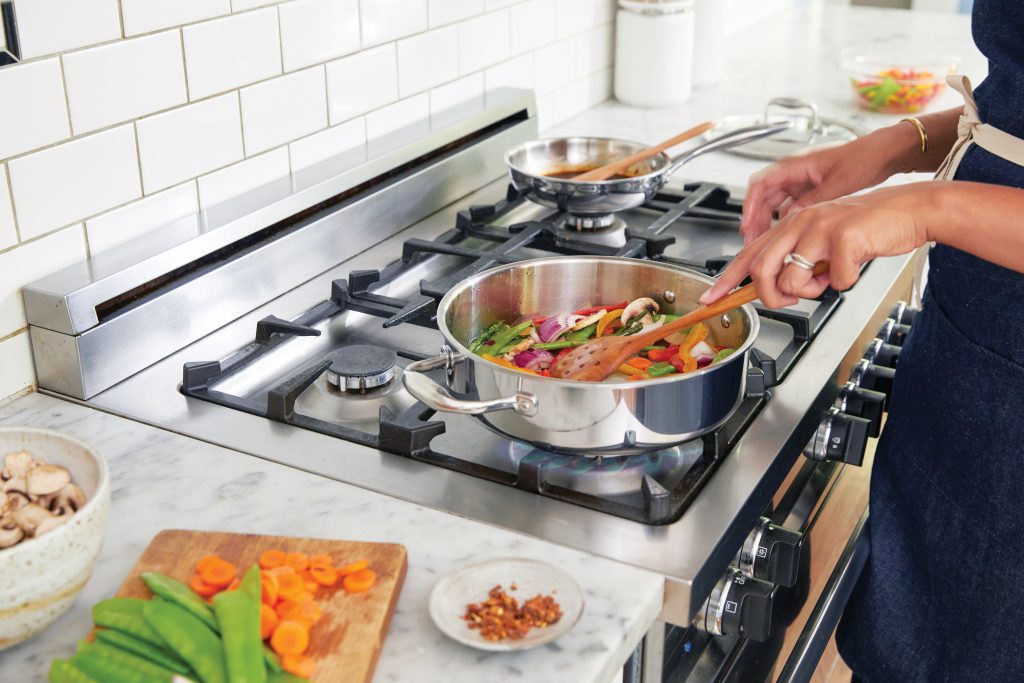
Foundational methods such as boiling, baking, grilling, sautéing, steaming, and roasting remain the backbone of global cuisine. Each approach coaxes distinct textures and aromas from ingredients, giving chefs endless ways to delight the palate.
Modern Culinary Techniques
Contemporary kitchens now embrace precision tools like sous-vide circulators and explore molecular gastronomy, where science meets spectacle to produce surprising flavors, textures, and visual effects that challenge conventional ideas of what food can be.
Nutritional Aspects of Cooking
Preservation of Nutrients
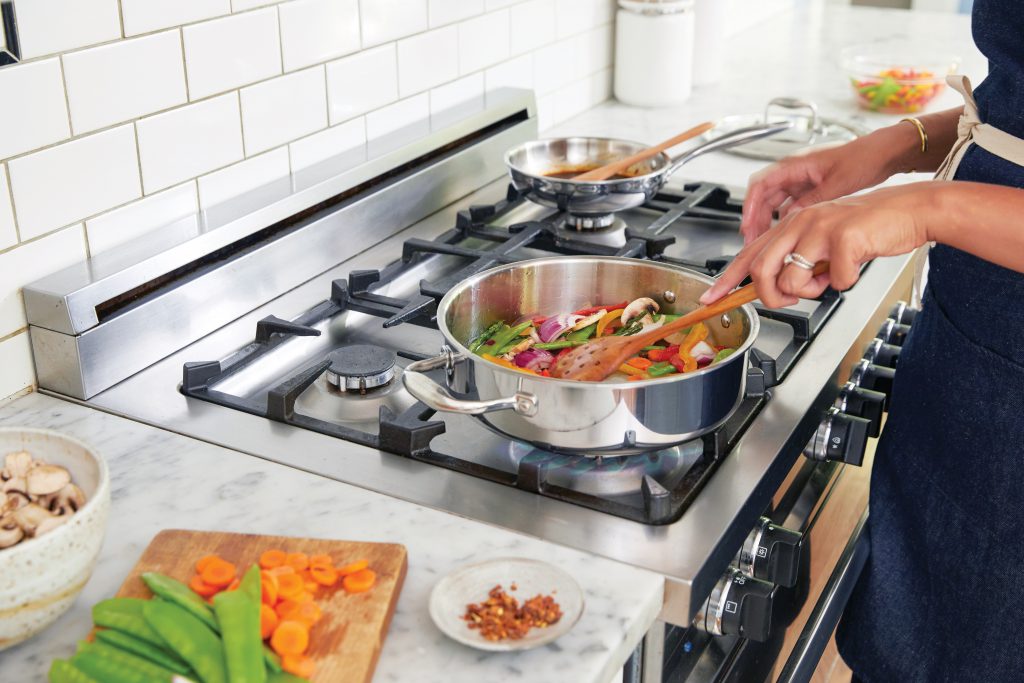
Heat can both enhance and diminish nutrient content. Gentle steaming may safeguard vitamins, while prolonged boiling can wash them away. Selecting the right technique for each ingredient helps maintain both flavor and nourishment.
Health Benefits
Cooking can unlock protective compounds: gentle heating of tomatoes boosts lycopene availability, and light cooking of carrots increases accessible beta-carotene. Thoughtful preparation thus turns meals into opportunities for wellness.
The Social and Cultural Impact of Cooking
Community and Connection
Shared pots and pans foster conversation, laughter, and memory-making. From weeknight family dinners to neighborhood gatherings, the act of preparing food side by side strengthens bonds and nurtures a sense of belonging.
Preservation of Cultural Heritage
Recipes handed down through generations carry stories, values, and identity. Each simmer, stir, and seasoning choice keeps cultural memory alive, allowing traditions to travel across time and geography without losing their essence.
The Future of Cooking
Technological Advancements
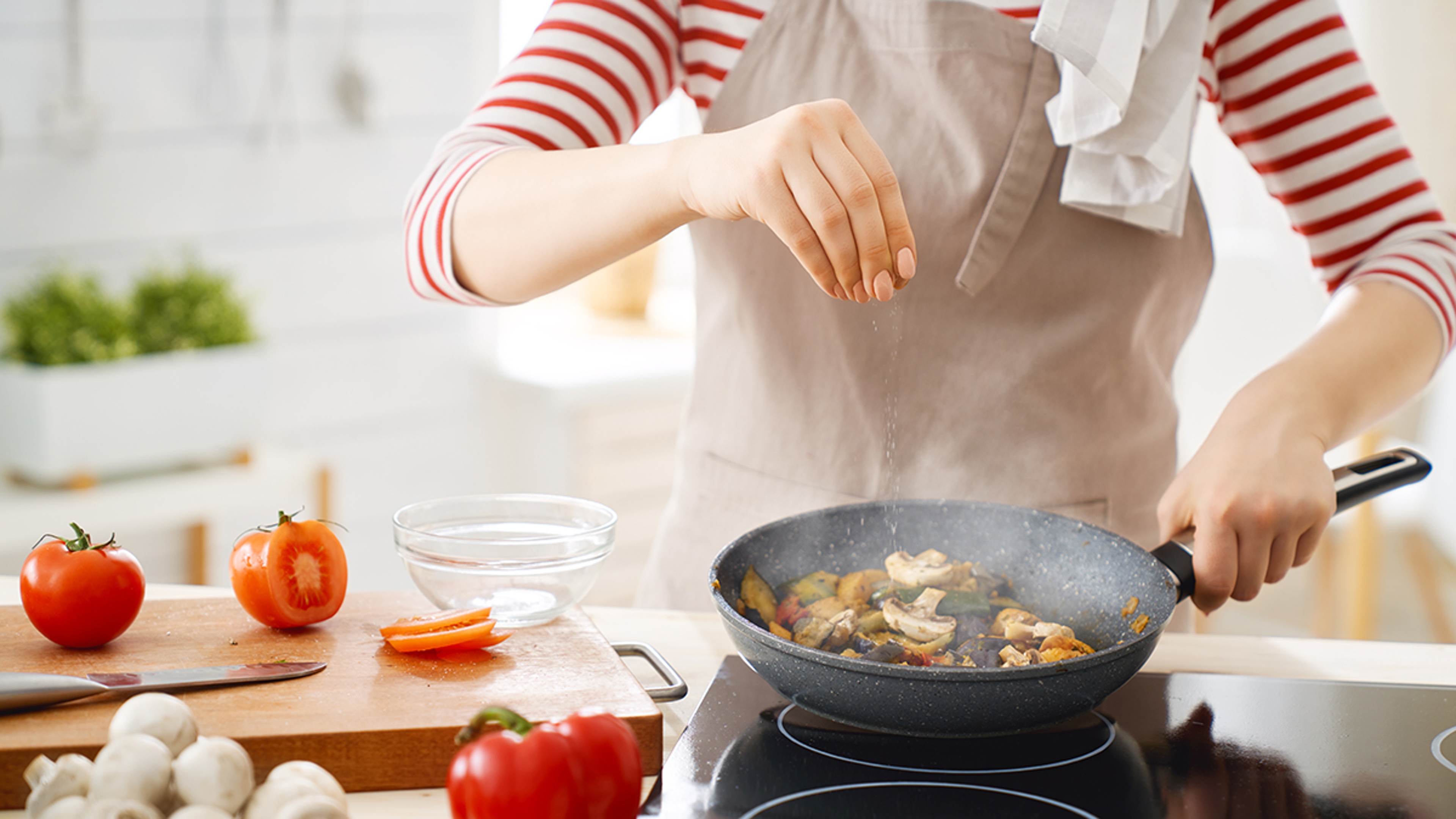
Smart sensors, app-guided appliances, and immersive virtual tutorials promise to make precision cooking more accessible, inviting both novices and experts to experiment confidently and reduce guesswork in the kitchen.
Sustainability and Ethics
Tomorrow’s cooks are embracing planet-friendly habits: choosing seasonal produce, minimizing waste, and favoring low-impact techniques. These mindful steps ensure that culinary pleasure today does not compromise the well-being of future generations.
Conclusion
Cooking is a living art that feeds body, mind, and community. By honoring its past, mastering its methods, and anticipating its future, we keep the kitchen a place of endless discovery, shared joy, and responsible creativity. As tastes evolve and technologies advance, this timeless craft will remain central to human life, nourishing both people and the planet they call home.