
The Impact of Food Lists on Dietary Choices and Health Outcomes
Introduction
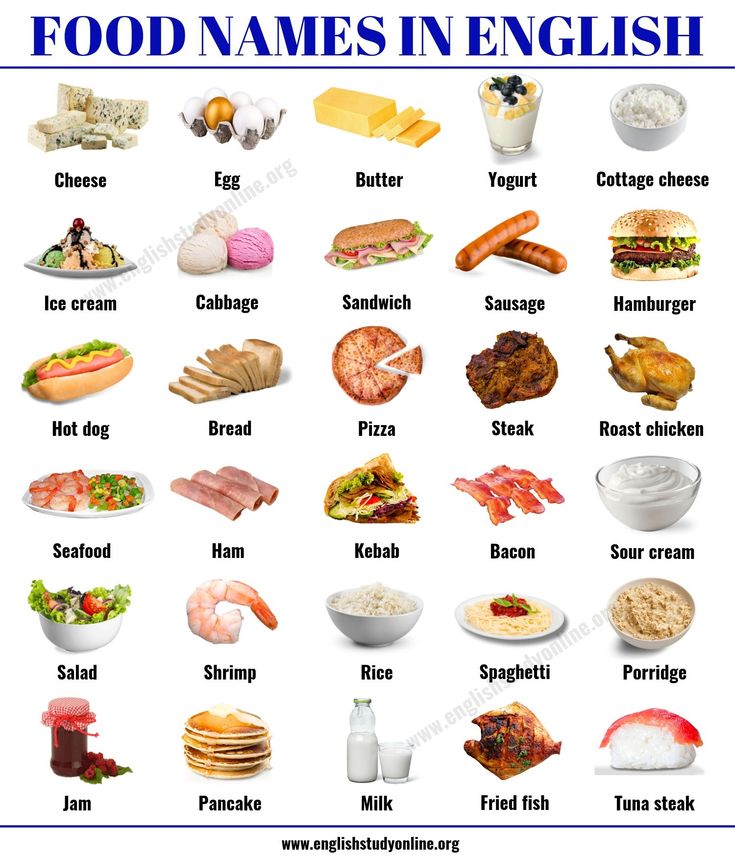
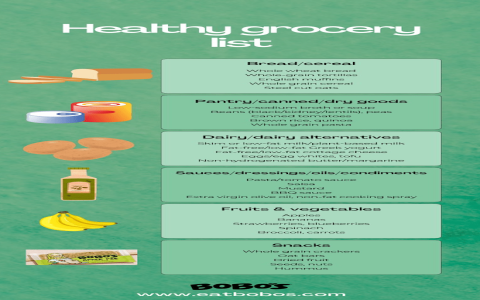
In today’s information-rich environment, food lists have emerged as practical guides that help people move toward healthier eating patterns. This article examines how such lists shape daily food decisions, influence overall wellness, and support broader public-health goals. By reviewing common list formats, their measurable benefits, and the psychological forces behind their use, we offer a clear picture of why these simple tools carry so much weight.
Types of Food Lists
1. Nutritional Guidelines

Official guidelines translate science into everyday language, grouping foods by category and suggesting balanced proportions. They serve as a national reference for shoppers, cafeteria planners, and health educators alike.
2. Meal Planning Lists
Weekly or monthly planners encourage variety by mapping out dishes in advance. Including items from every food group reduces last-minute take-out and helps prevent nutrient gaps.
3. Food Diary Lists
A running log of meals and snacks reveals habits that might otherwise go unnoticed. Patterns such as skipped vegetables or late-night sweets become visible, making self-correction easier.
4. Clean Eating Lists
These emphasize minimally processed ingredients and often highlight whole grains, seasonal produce, and simple preparations. Followers typically report feeling more energetic and less bloated.
The Effectiveness of Food Lists
1. Improved Dietary Choices
Studies consistently show that people who write down planned meals consume a broader spectrum of colorful produce and whole foods than those who decide on the fly.
2. Increased Nutritional Intake
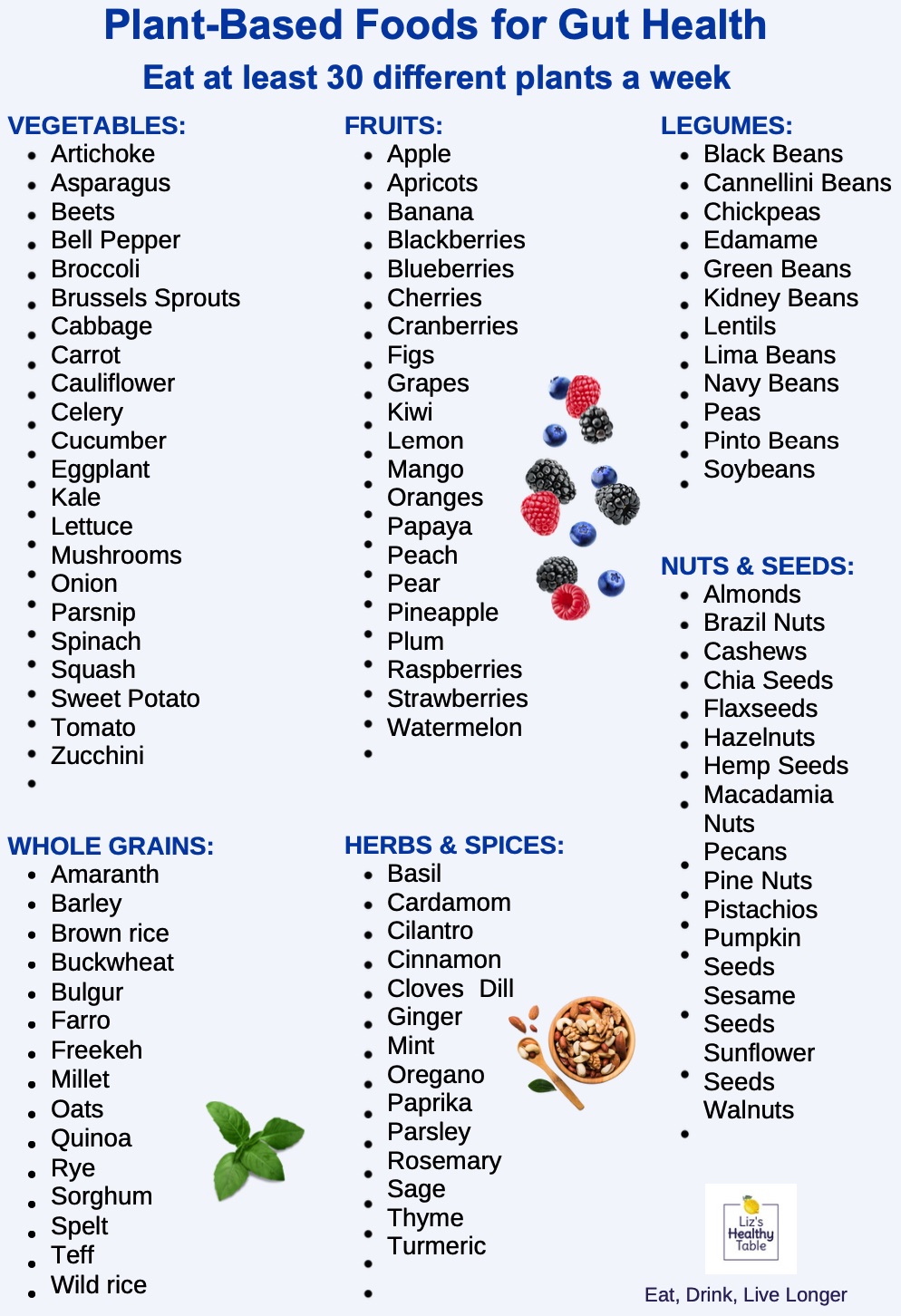
Structured lists naturally boost vitamins, minerals, and fiber by prompting users to check off each food group, leading to more nutrient-dense plates.
3. Weight Management
Planning ahead curbs impulse purchases and oversized portions, supporting gradual, sustainable weight change without strict calorie counting.
Psychological Factors Influencing Food Lists
1. Social Influence
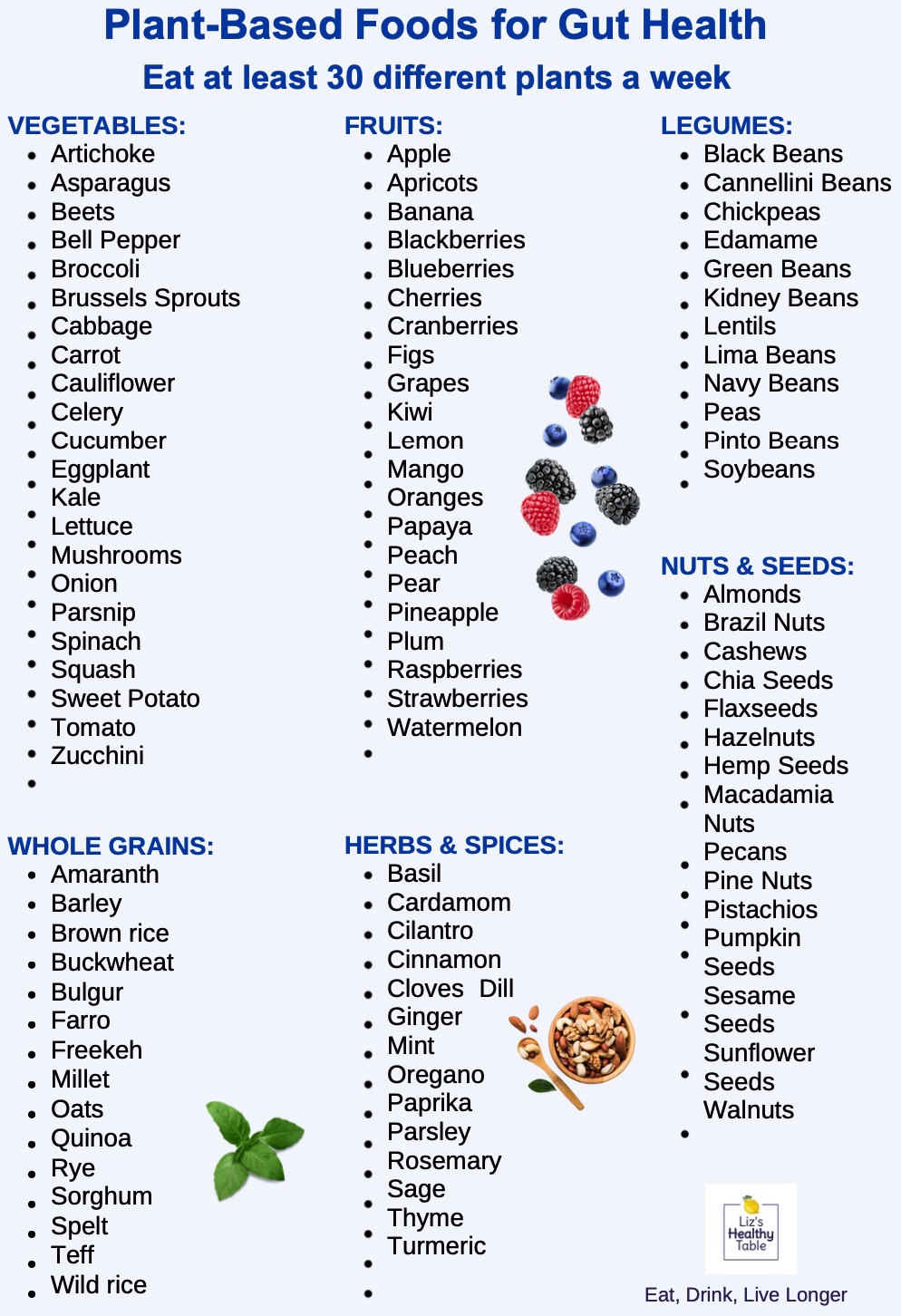
When friends or family share similar lists, individuals feel encouraged to stick with wholesome choices, turning healthy eating into a shared norm rather than a solo effort.
2. Perceived Control
Checking items off a list fosters a sense of mastery over eating behavior, reducing anxiety around food and reinforcing positive routines.
3. Emotional Eating
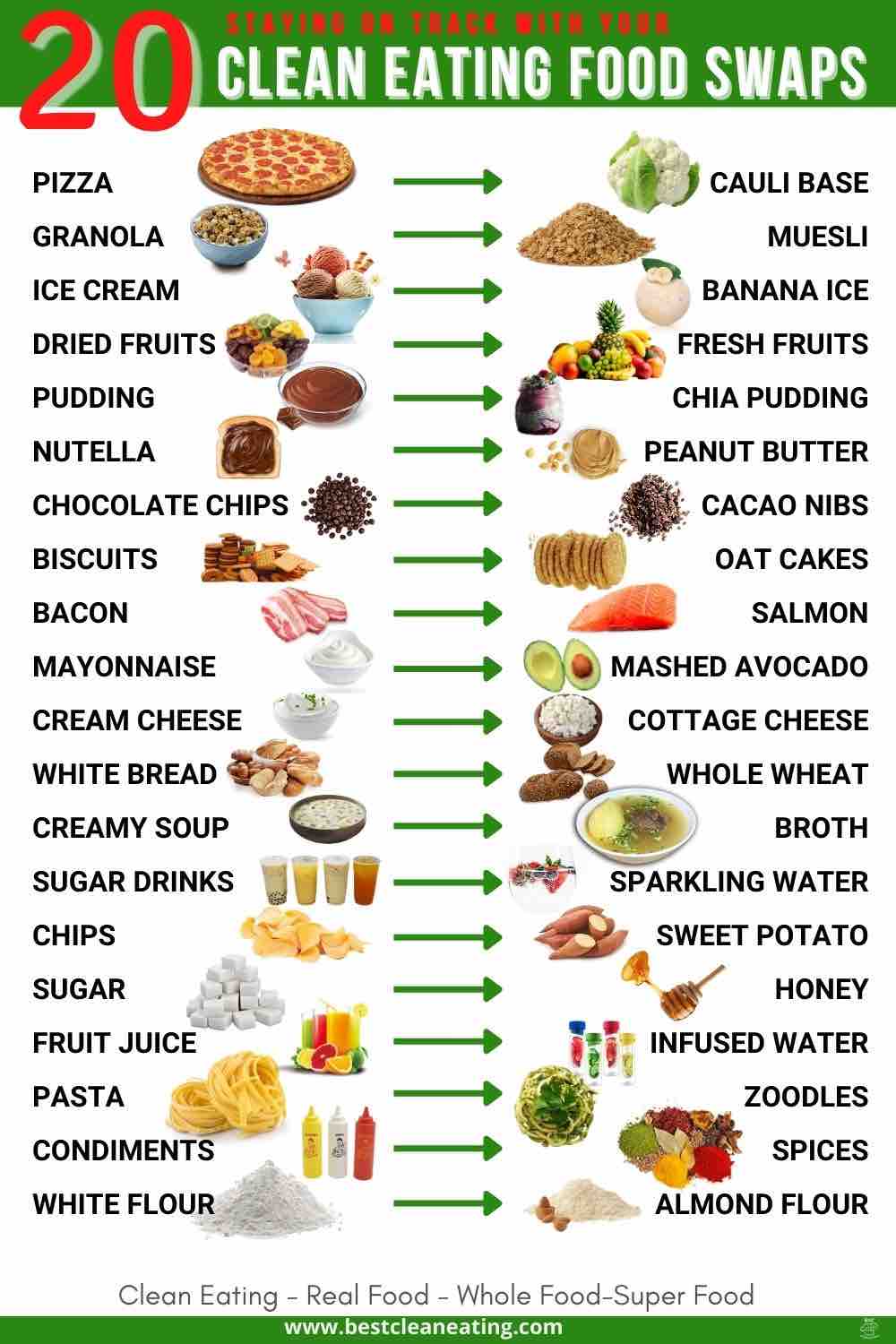
Having a pre-approved roster of comforting yet nutritious options—think warm oatmeal with berries or roasted sweet potato—can redirect stress-driven cravings toward foods that soothe without derailing health goals.
The Role of Food Lists in Public Health
1. Policy Implementation
Governments and schools can adopt standardized lists to set procurement criteria, ensuring that cafeterias and vending machines offer predominantly wholesome choices.
2. Health Education
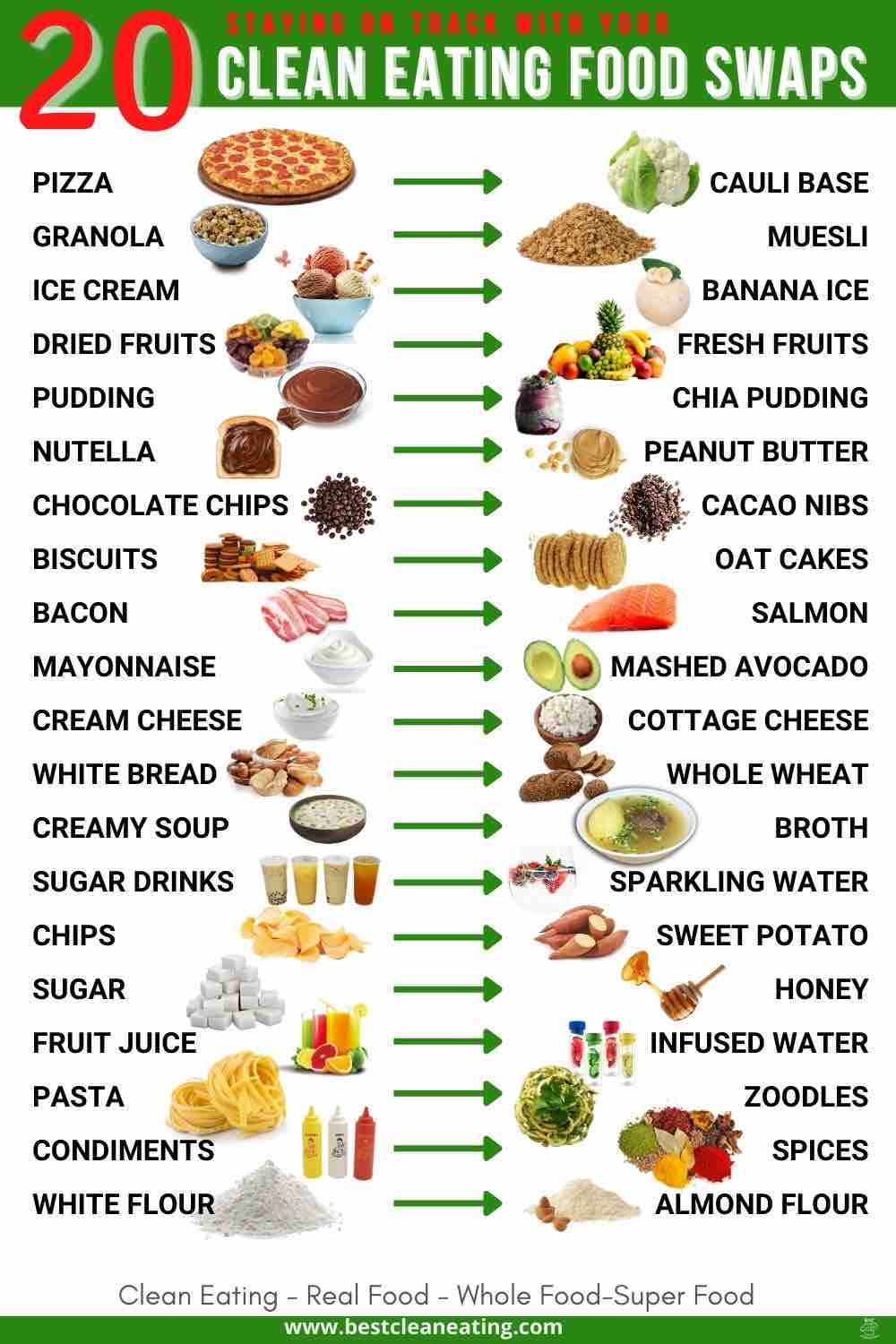
Simple, visually appealing lists translate complex nutrition advice into actionable steps, empowering people of all literacy levels to shop and cook with confidence.
3. Reducing Health Disparities
Free, culturally adapted lists distributed through clinics, food banks, and community centers give underserved neighborhoods equal access to practical nutrition guidance.
Conclusion
Well-crafted food lists act as quiet coaches, nudging shoppers, cooks, and policymakers toward meals that taste good and support long-term health. As global interest in preventive care grows, these low-cost tools will remain central to strategies that make nutritious eating the default choice.
Recommendations
1. Create flexible lists that honor personal tastes, budget limits, and cultural traditions.
2. Introduce list-making activities in classrooms, workplace wellness programs, and routine medical visits.
3. Support studies that compare different list formats to discover which designs produce the strongest, lasting benefits.
4. Partner with local leaders to weave food lists into broader campaigns for community health.
Future Research Directions
1. Track multi-year outcomes to see whether consistent list use lowers risk of chronic disease or improves mental well-being.
2. Test smartphone apps that auto-generate grocery lists from user preferences and seasonal availability.
3. Evaluate acceptance and effectiveness across age groups, income levels, and ethnic backgrounds.
4. Measure how list-based interventions influence equity in diet quality among high- and low-resource populations.