
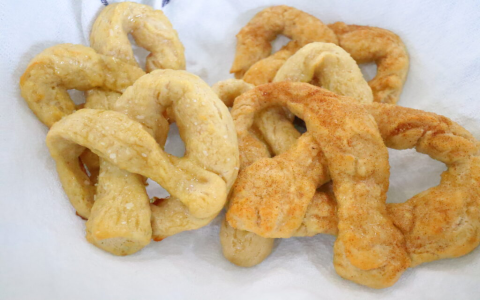

The Art of Crafting Sourdough Pretzel Recipes: A Comprehensive Guide
Introduction
Sourdough pretzels have long been a staple in European cuisine, particularly in Germany and the United States. These delectable snacks are not only delicious but also packed with health benefits. In this article, we will delve into the world of sourdough pretzel recipes, exploring their history, health benefits, and the science behind their preparation. We will also provide you with a step-by-step guide to crafting your own sourdough pretzels at home.
The History of Sourdough Pretzels
Sourdough pretzels have a rich history that dates back to ancient times. The first recorded recipe for pretzels dates back to the 6th century in the Roman Empire. Over the centuries, the art of making sourdough pretzels has been passed down through generations, resulting in the diverse variations we see today.
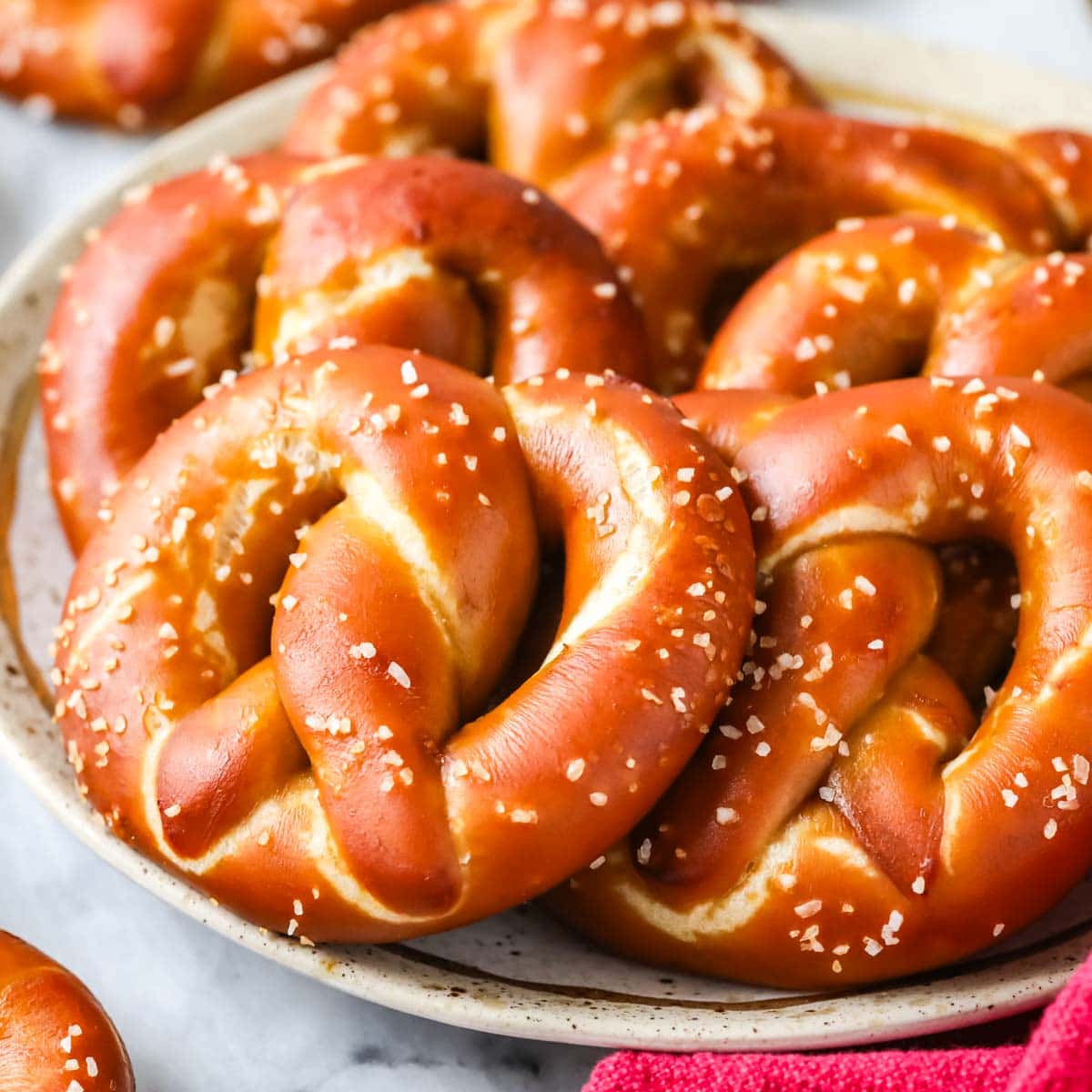
Health Benefits of Sourdough Pretzels
Sourdough pretzels offer numerous health benefits, making them a great addition to any diet. Here are some of the key benefits:
1. Rich in Probiotics
Sourdough bread is made using a starter that contains probiotics, which are beneficial bacteria that can improve gut health. These probiotics help to maintain a healthy balance of bacteria in the gut, which can lead to improved digestion and overall health.
2. Lower Glycemic Index
Sourdough bread has a lower glycemic index compared to regular bread, meaning it causes a slower and more gradual increase in blood sugar levels. This can be beneficial for individuals with diabetes or those looking to maintain stable blood sugar levels.
3. Nutrient-Rich
Sourdough pretzels are made with whole grains, which are rich in fiber, vitamins, and minerals. These nutrients can help to support overall health and well-being.
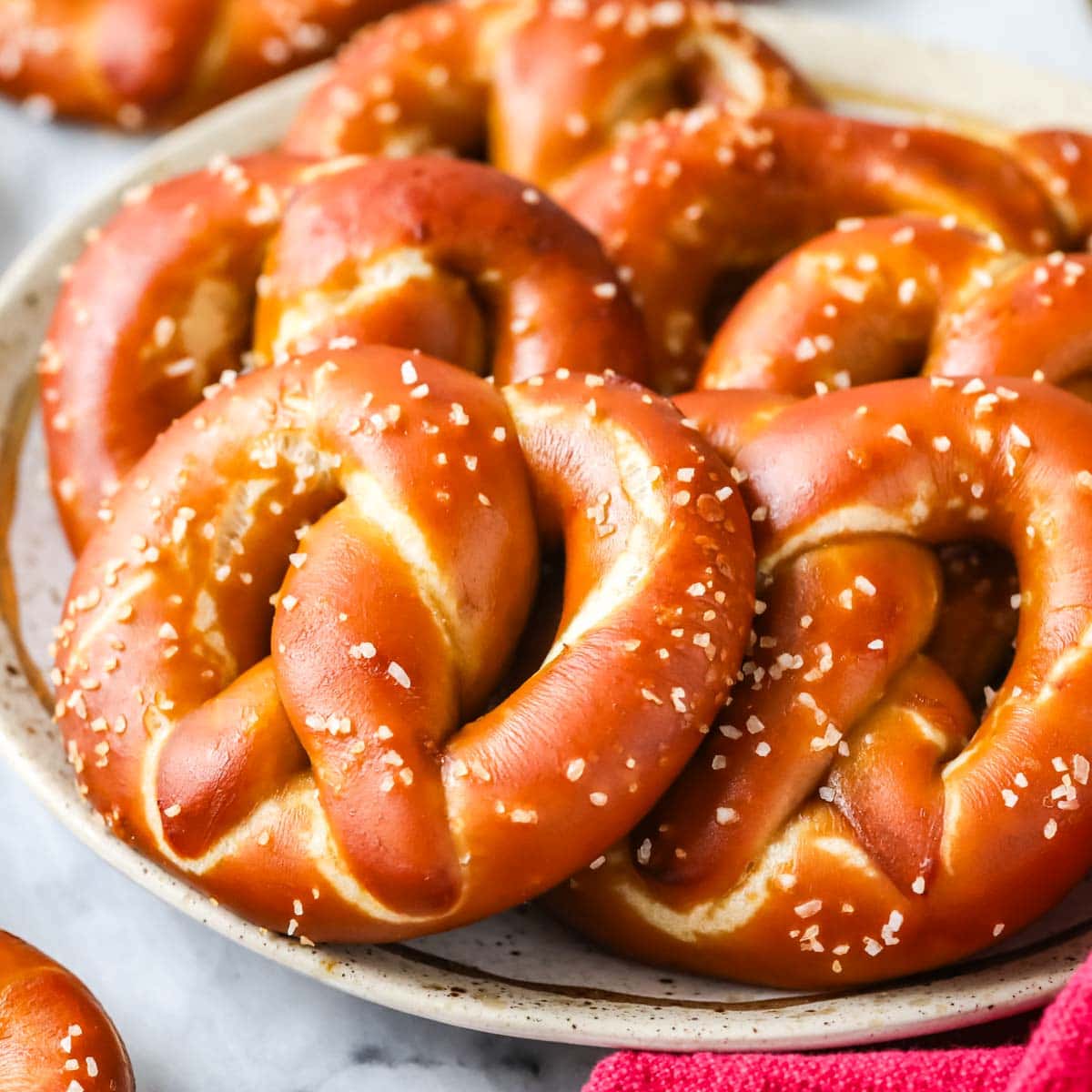
The Science Behind Sourdough Pretzel Recipes
The process of making sourdough pretzels involves a combination of science and art. Here are some key factors that contribute to the success of a sourdough pretzel recipe:
1. Sourdough Starter
The sourdough starter is the foundation of any sourdough recipe. It is a mixture of flour and water that has been fermented for several days to develop the desired flavor and texture.
2. Fermentation Process
The fermentation process is crucial for the development of the sourdough flavor. During fermentation, the starter consumes the sugars in the flour, producing carbon dioxide and lactic acid. This process also breaks down the gluten in the flour, resulting in a more tender and digestible bread.
3. Salt and Water Ratio
The salt and water ratio is an important factor in the preparation of sourdough pretzels. The salt helps to enhance the flavor and improve the texture, while the water helps to activate the yeast and create a desirable crumb structure.

Crafting Your Own Sourdough Pretzel Recipes
Now that we have a better understanding of the history, health benefits, and science behind sourdough pretzels, let’s dive into the process of crafting your own sourdough pretzel recipes.
1. Gather Your Ingredients
To make sourdough pretzels, you will need the following ingredients:
– Sourdough starter
– All-purpose flour

– Water
– Salt
– Baking soda
– Honey or sugar (optional)
2. Prepare the Sourdough Starter
If you don’t already have a sourdough starter, you can purchase one or make your own. To make your own starter, mix equal parts of flour and water in a bowl, cover it, and let it sit at room temperature for several days until it becomes bubbly and smells sour.

3. Mix the Dough
In a large bowl, combine the sourdough starter, flour, water, and salt. Mix until a dough forms, then turn it out onto a floured surface and knead for about 10 minutes.
4. Let the Dough Rise
Cover the dough with a damp cloth and let it rise for about 2 hours, or until it has doubled in size.
5. Shape the Pretzels
Once the dough has risen, divide it into small pieces and shape them into pretzel shapes. You can use a rolling pin to flatten the dough and then twist it into a pretzel shape.
6. Boil and Bake
Boil the pretzels in water with baking soda for about 30 seconds, then transfer them to a baking sheet lined with parchment paper. Bake at 425°F (220°C) for about 15 minutes, or until golden brown.
Conclusion

Sourdough pretzel recipes offer a delicious and nutritious alternative to traditional pretzels. By understanding the history, health benefits, and science behind sourdough pretzels, you can craft your own homemade pretzels that are sure to impress. So why not give it a try and enjoy the art of sourdough pretzel making?
Future Research and Recommendations
As the popularity of sourdough bread and pretzels continues to grow, there is a wealth of opportunities for future research and innovation. Here are a few suggestions:
– Investigating the impact of different sourdough starter cultures on the flavor and health benefits of sourdough pretzels.
– Exploring the use of alternative flours, such as whole grains or gluten-free options, to create a wider variety of sourdough pretzel recipes.
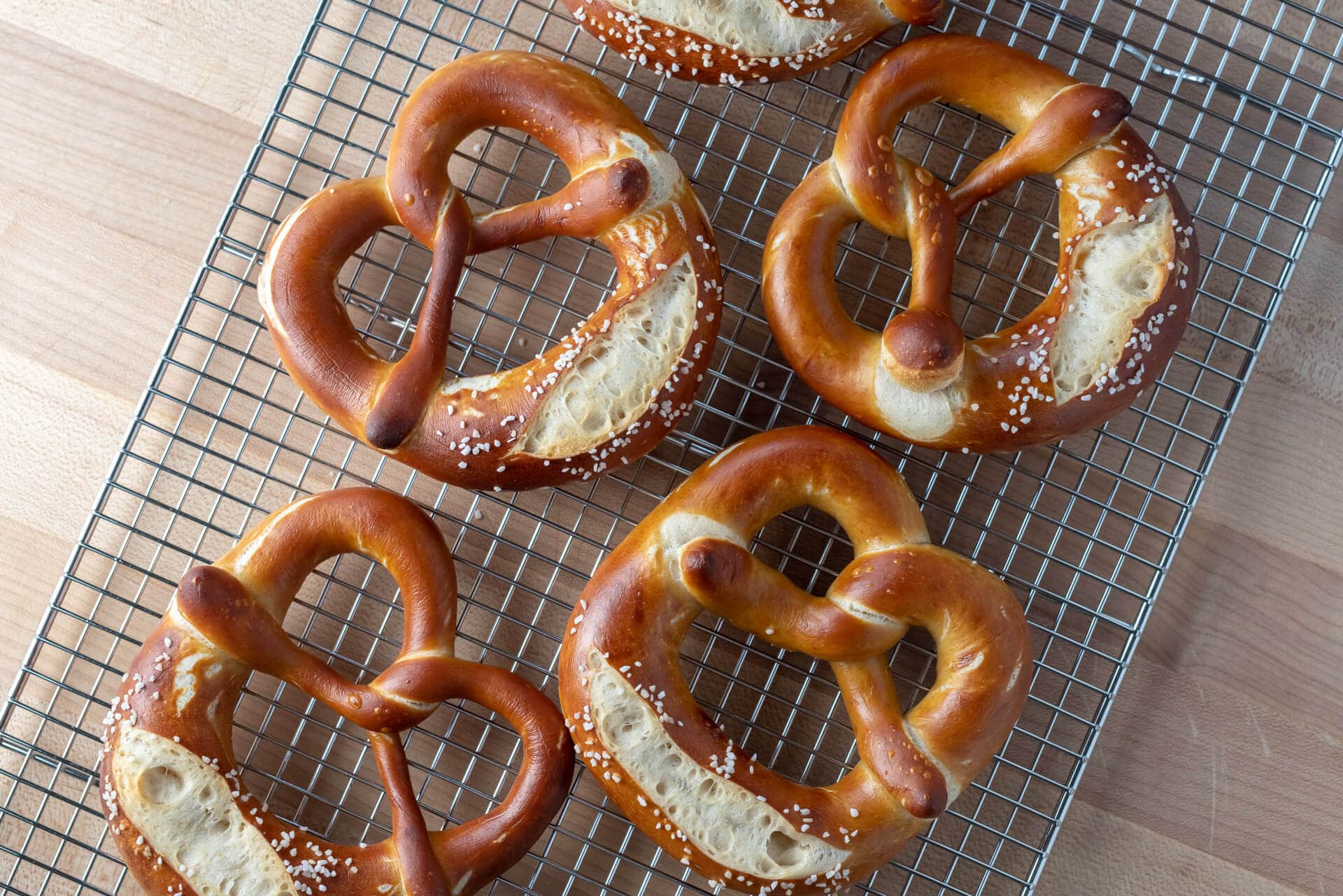
– Developing new techniques for shaping and baking sourdough pretzels to enhance their texture and appearance.
By embracing the art of sourdough pretzel making, we can continue to enjoy this delicious and nutritious snack while supporting the growth of the sourdough community.


