

The Versatile World of Spelt Recipes: A Culinary Journey
Introduction
Spelt, an ancient grain with a rich history, has been making a comeback in the modern culinary world. Often overshadowed by its more popular cousin, wheat, spelt offers a unique flavor profile and a range of health benefits. This article delves into the world of spelt recipes, exploring their versatility, nutritional advantages, and the reasons behind their growing popularity. By the end, you’ll be equipped with a wealth of ideas to incorporate spelt into your diet and cooking.
The History and Origin of Spelt
Spelt: A Timeless Grain
Spelt (Triticum spelta) is an ancient grain that has been cultivated for over 7,000 years. It is believed to have originated in the Fertile Crescent, the cradle of civilization. Unlike modern wheat varieties, spelt has not been genetically modified and retains many of its original characteristics. This makes it a favorite among those seeking a more natural and wholesome option in their diet.
Nutritional Benefits of Spelt
Healthful Grains: Spelt’s Nutritional Profile
Spelt is a nutritious grain that offers a variety of health benefits. It is rich in fiber, vitamins, and minerals, including magnesium, iron, and B vitamins. The high fiber content aids in digestion and can help regulate blood sugar levels. Additionally, spelt contains gluten, but it is a different type of gluten than that found in wheat, which may be easier for some individuals to digest.
Versatility in Spelt Recipes
From Bread to Biscuits: The Versatility of Spelt
One of the reasons spelt has gained popularity is its versatility in the kitchen. It can be used in a variety of recipes, from bread and pasta to cookies and cakes. Here are some ideas to get you started:
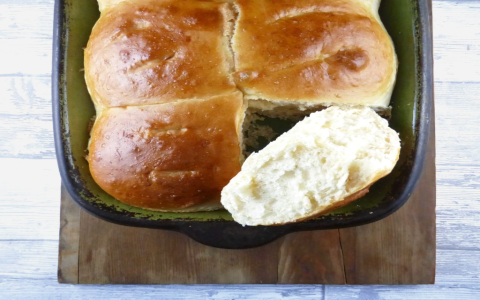
– Spelt Bread: Spelt bread has a nutty flavor and a dense texture. It can be made into loaves, rolls, or baguettes.
– Spelt Pasta: Spelt pasta is a healthier alternative to traditional wheat pasta, with a similar taste and texture.
– Spelt Cookies: Spelt flour can be used to make cookies, cakes, and other baked goods with a rich, hearty flavor.
– Spelt Biscuits: Spelt biscuits are a great way to enjoy the grain in a savory dish, perfect for breakfast or as a side for soup.
Spelt Recipes for Health-Conscious Cooks
Healthy Living with Spelt Recipes
For those looking to improve their health through diet, spelt recipes offer a variety of options. Here are a few ideas:
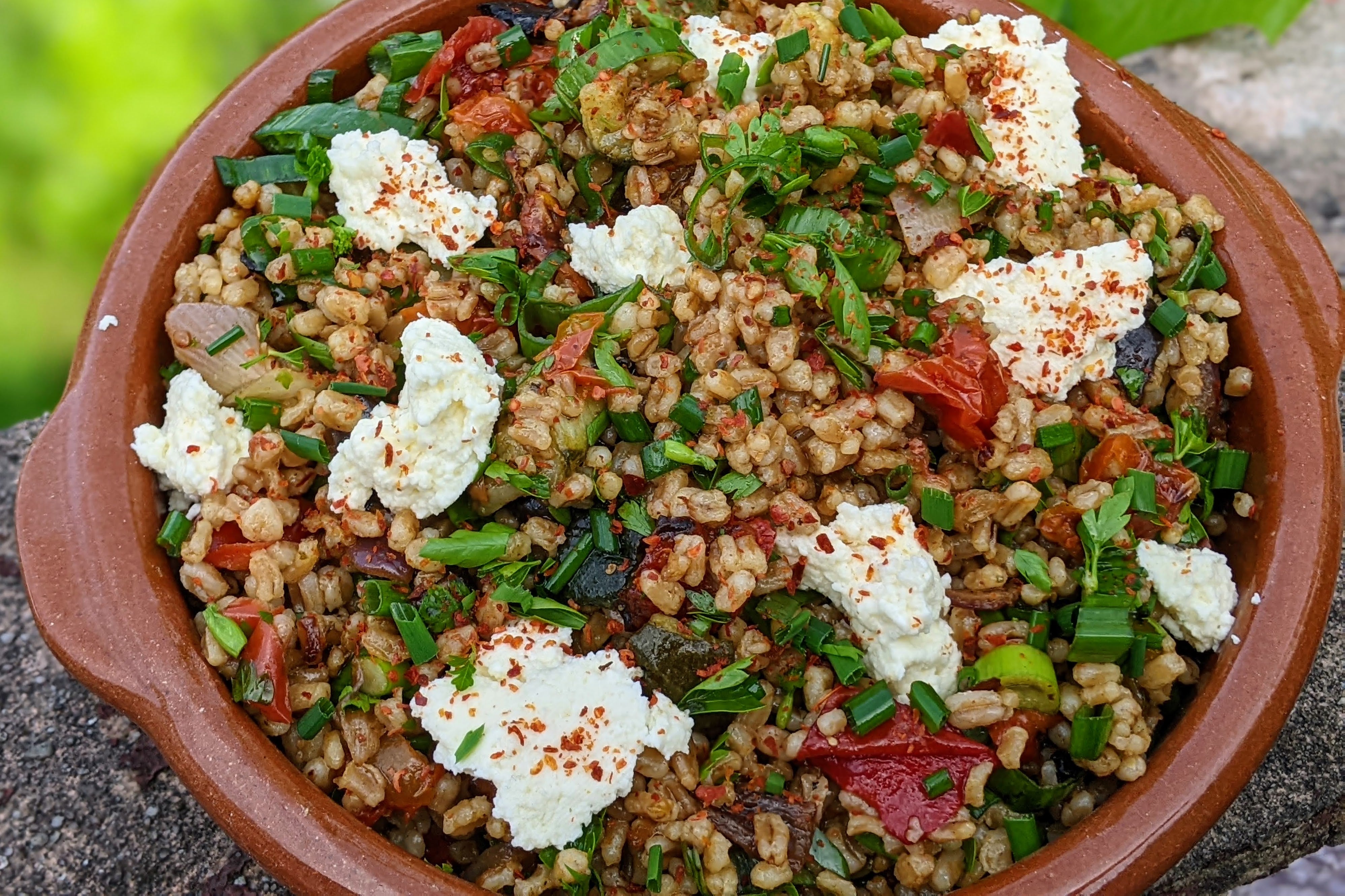
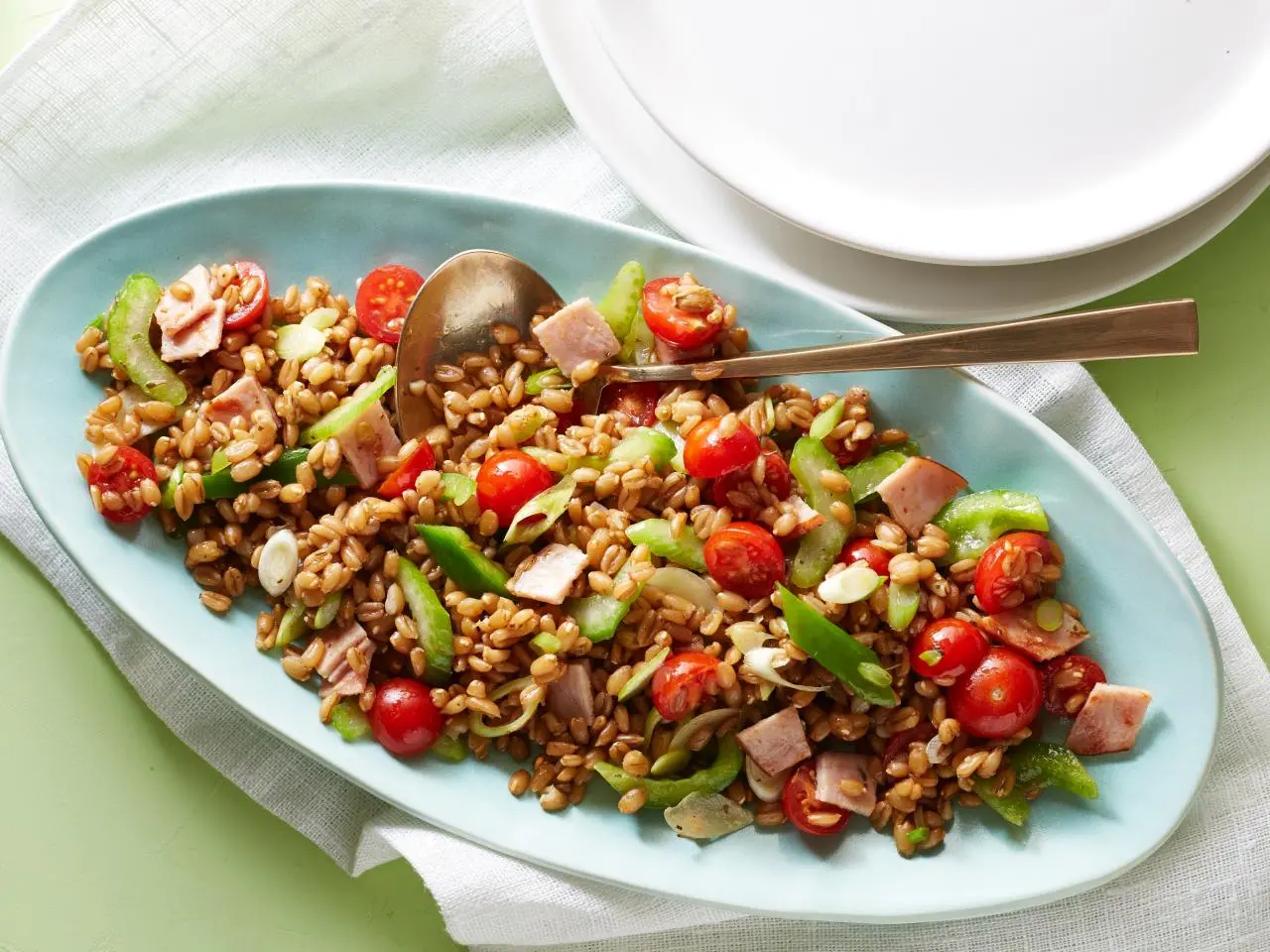
– Spelt Salad: Combine spelt berries with mixed greens, nuts, and a variety of vegetables for a nutritious and filling salad.
– Spelt Porridge: Spelt porridge is a hearty breakfast option that can be topped with fruits, nuts, and honey.
– Spelt Soup: Spelt can be used to make a variety of soups, adding a nutty flavor and a boost of fiber.
The Environmental Impact of Spelt
Spelt: A Sustainable Grain
In addition to its health benefits, spelt is also an environmentally friendly grain. It requires less water and fertilizers than modern wheat varieties, making it a sustainable choice for both the planet and your health.
Conclusion
Spelt Recipes: A Culinary and Nutritional Treasure
Spelt recipes offer a delicious and nutritious way to incorporate an ancient grain into your diet. With its versatility, health benefits, and environmental advantages, spelt is a grain worth exploring. Whether you’re a health-conscious cook or simply looking to add variety to your meals, spelt recipes are a valuable addition to any kitchen.
Final Thoughts
As the world becomes more health-conscious and environmentally aware, spelt recipes are poised to become an even more popular choice. By embracing the versatility and nutritional benefits of spelt, you can enjoy a wide range of delicious dishes that cater to both your taste buds and your well-being. So why not give spelt a try and embark on a culinary journey that’s both rewarding and healthful?


