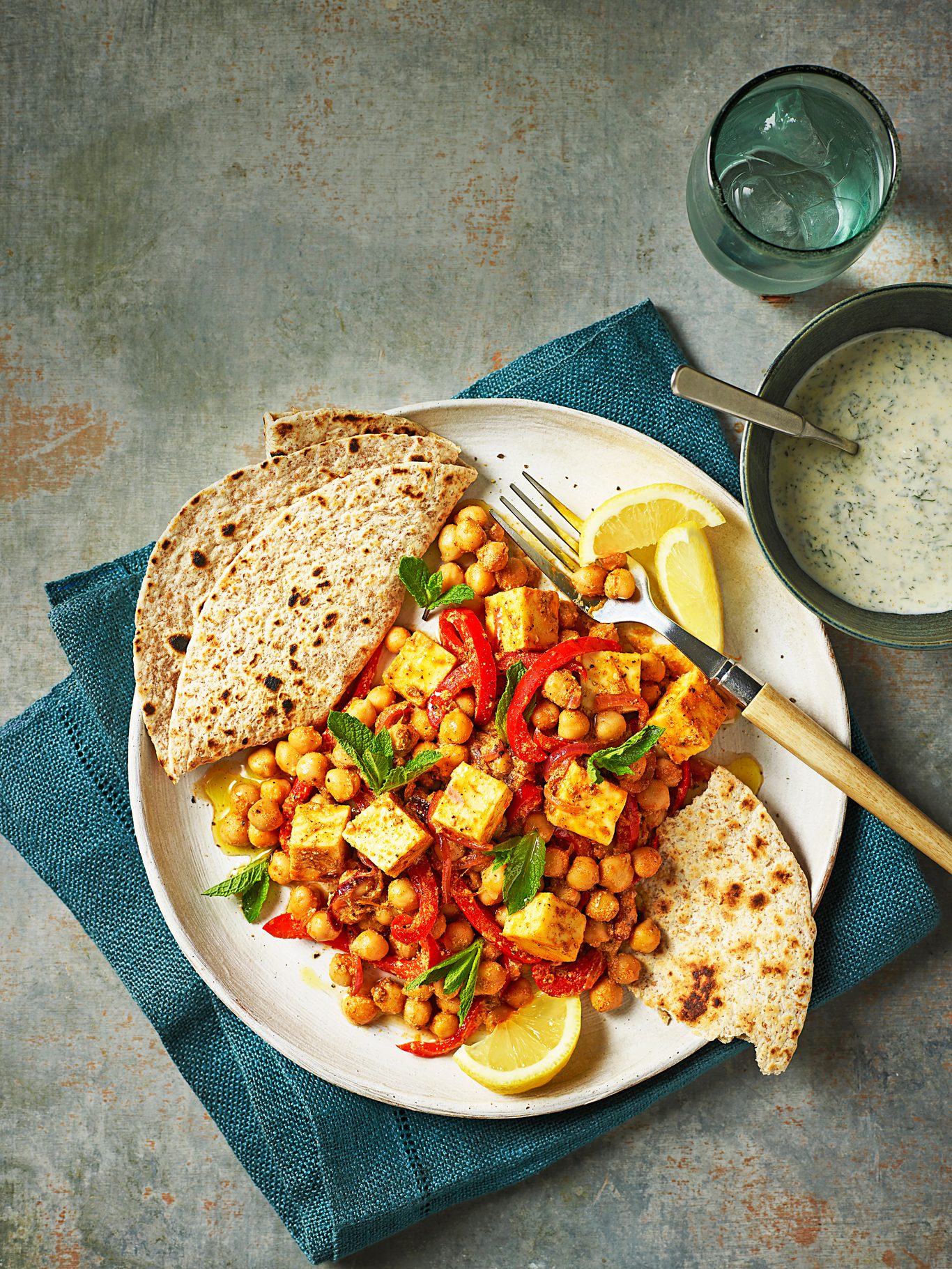
The Ultimate Guide to Vegetarian Protein Recipes: Nutritious and Delicious
Introduction
In recent years, the demand for vegetarian protein recipes has surged as more people adopt a plant-based diet for health, ethical, and environmental reasons. Vegetarian protein recipes are not only beneficial for those who follow a vegetarian or vegan lifestyle but also for anyone looking to incorporate more plant-based foods into their diet. This article aims to provide a comprehensive guide to vegetarian protein recipes, highlighting their nutritional benefits, offering a variety of recipes, and discussing the importance of incorporating these recipes into your diet.
Nutritional Benefits of Vegetarian Protein
1. Rich in Essential Amino Acids
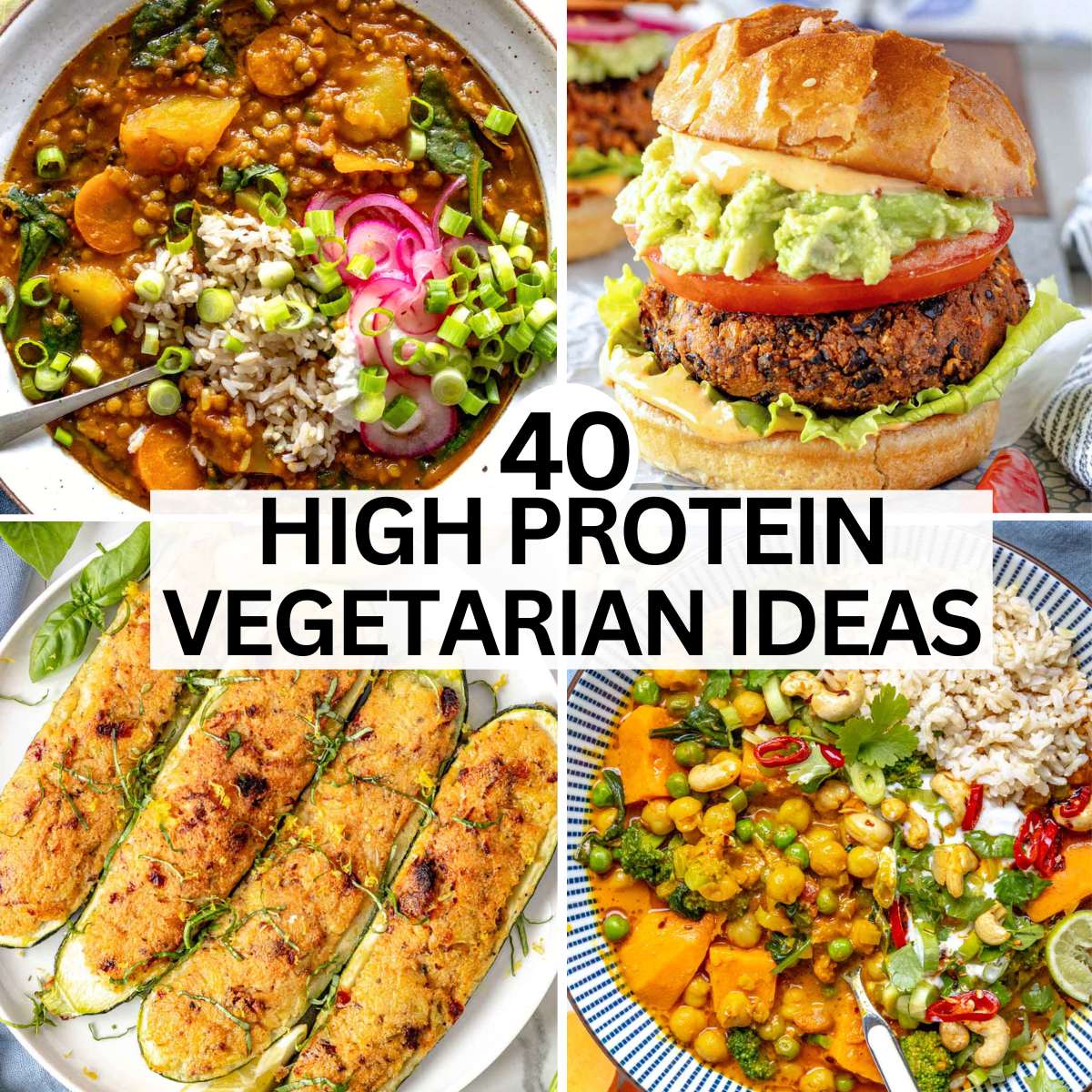
One of the primary concerns for those following a vegetarian diet is ensuring they consume enough protein. Vegetarian protein recipes are rich in essential amino acids, which are the building blocks of protein and cannot be synthesized by the body. These amino acids are crucial for muscle repair, immune function, and overall health.
2. Low in Saturated Fat
Compared to animal-based protein sources, vegetarian protein recipes tend to be lower in saturated fat. This is beneficial for heart health, as high intake of saturated fat has been linked to an increased risk of heart disease.
3. High in Fiber
Vegetarian protein recipes are also high in fiber, which is essential for digestive health. Fiber helps to regulate bowel movements, lower cholesterol levels, and reduce the risk of developing certain types of cancer.
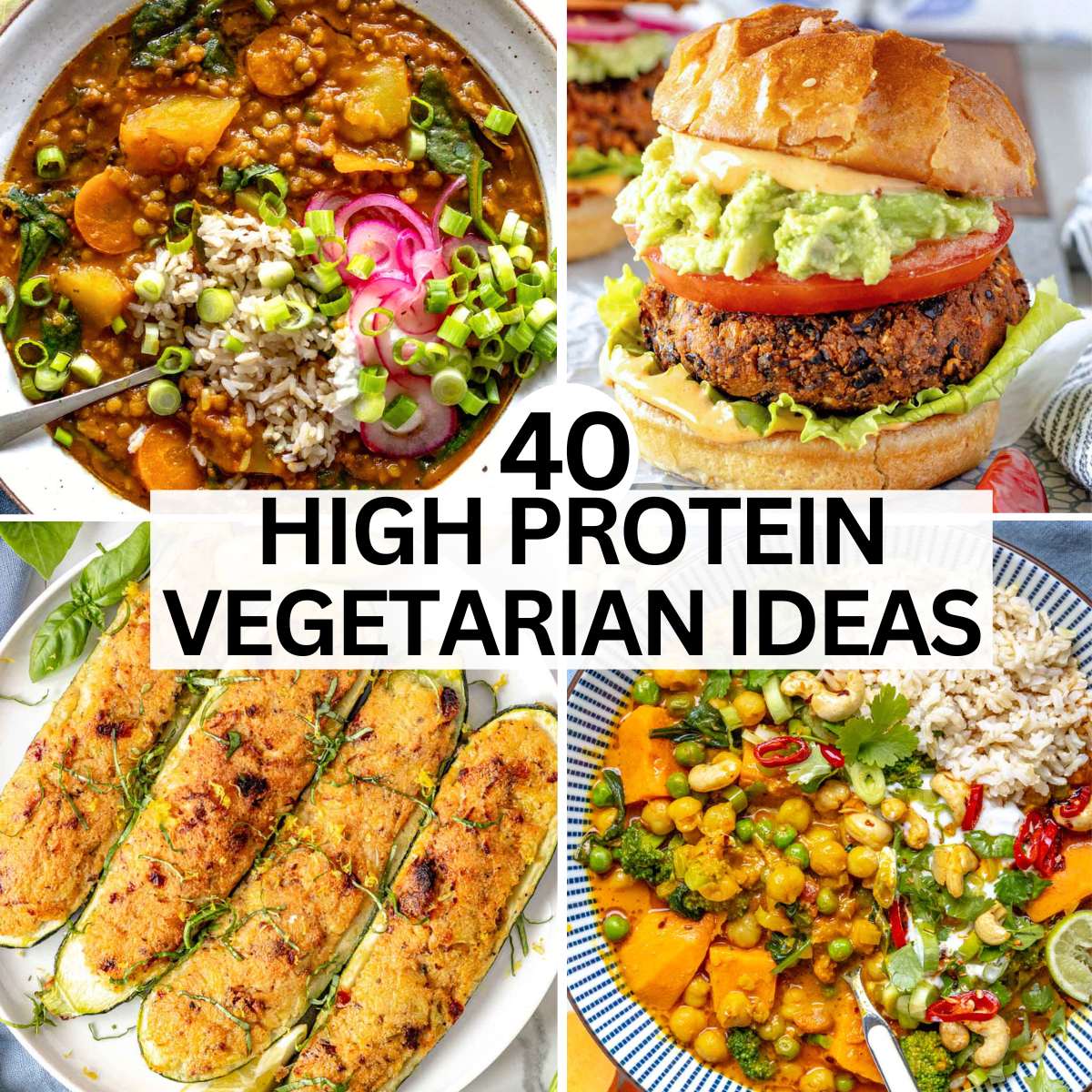
Popular Vegetarian Protein Sources
1. Legumes
Legumes, such as lentils, chickpeas, and beans, are excellent sources of vegetarian protein. They are also rich in fiber, vitamins, and minerals. Incorporating legumes into your diet can be as simple as adding them to salads, soups, or stews.
2. Tofu and Tempeh
Tofu and tempeh are made from soybeans and are versatile protein sources that can be used in a variety of recipes. They can be stir-fried, grilled, or baked, and can be used as a substitute for meat in many dishes.
:max_bytes(150000):strip_icc()/vegetarian-protein-bowl-51d0dcb83a084b3da7e5bd29e0beae37.jpg)
3. Nuts and Seeds
Nuts and seeds, such as almonds, chia seeds, and flaxseeds, are not only high in protein but also rich in healthy fats, vitamins, and minerals. They can be added to smoothies, salads, or as a snack.
4. Quinoa
Quinoa is a gluten-free, high-protein grain that can be used in a variety of recipes, from salads to soups. It is also rich in fiber, vitamins, and minerals, making it a nutritious addition to any vegetarian diet.
Vegetarian Protein Recipes
1. Lentil Soup
Lentil soup is a hearty and nutritious vegetarian protein recipe that is perfect for cold weather. To make this recipe, simply combine lentils, carrots, celery, onions, and tomatoes in a pot, and simmer until tender. Serve with a side of crusty bread for a satisfying meal.
2. Tofu Stir-Fry
Tofu stir-fry is a quick and easy vegetarian protein recipe that can be made with a variety of vegetables and spices. To make this recipe, simply stir-fry tofu and your choice of vegetables in a pan with soy sauce, garlic, and ginger. Serve over rice or noodles for a delicious meal.
3. Chia Seed Pudding

Chia seed pudding is a healthy and delicious vegetarian protein recipe that can be made with just a few ingredients. To make this recipe, combine chia seeds, almond milk, and vanilla extract in a bowl, and let it sit in the refrigerator for a few hours. Before serving, top with fresh fruit and a drizzle of maple syrup.
The Importance of Incorporating Vegetarian Protein Recipes into Your Diet
1. Improved Health
Incorporating vegetarian protein recipes into your diet can lead to improved health, as these recipes are rich in essential nutrients and low in saturated fat. This can help reduce the risk of chronic diseases, such as heart disease, diabetes, and certain types of cancer.
2. Weight Management

Vegetarian protein recipes are often lower in calories and higher in fiber, making them an excellent choice for weight management. The high fiber content can help you feel fuller for longer, reducing the likelihood of overeating.
3. Environmental Benefits
By incorporating vegetarian protein recipes into your diet, you can also contribute to environmental sustainability. The production of plant-based foods requires less water, land, and energy compared to animal-based foods, making it a more sustainable choice for the planet.
Conclusion
In conclusion, vegetarian protein recipes are a nutritious and delicious addition to any diet. By incorporating these recipes into your meal plan, you can enjoy the numerous health benefits, such as improved heart health, weight management, and environmental sustainability. Whether you are a vegetarian, vegan, or simply looking to incorporate more plant-based foods into your diet, vegetarian protein recipes are a fantastic choice. Start experimenting with the recipes provided in this article, and discover the endless possibilities of vegetarian protein dishes.