
Title: How Online Recipe Hubs Are Transforming Home Kitchens and Culinary Learning
Introduction:
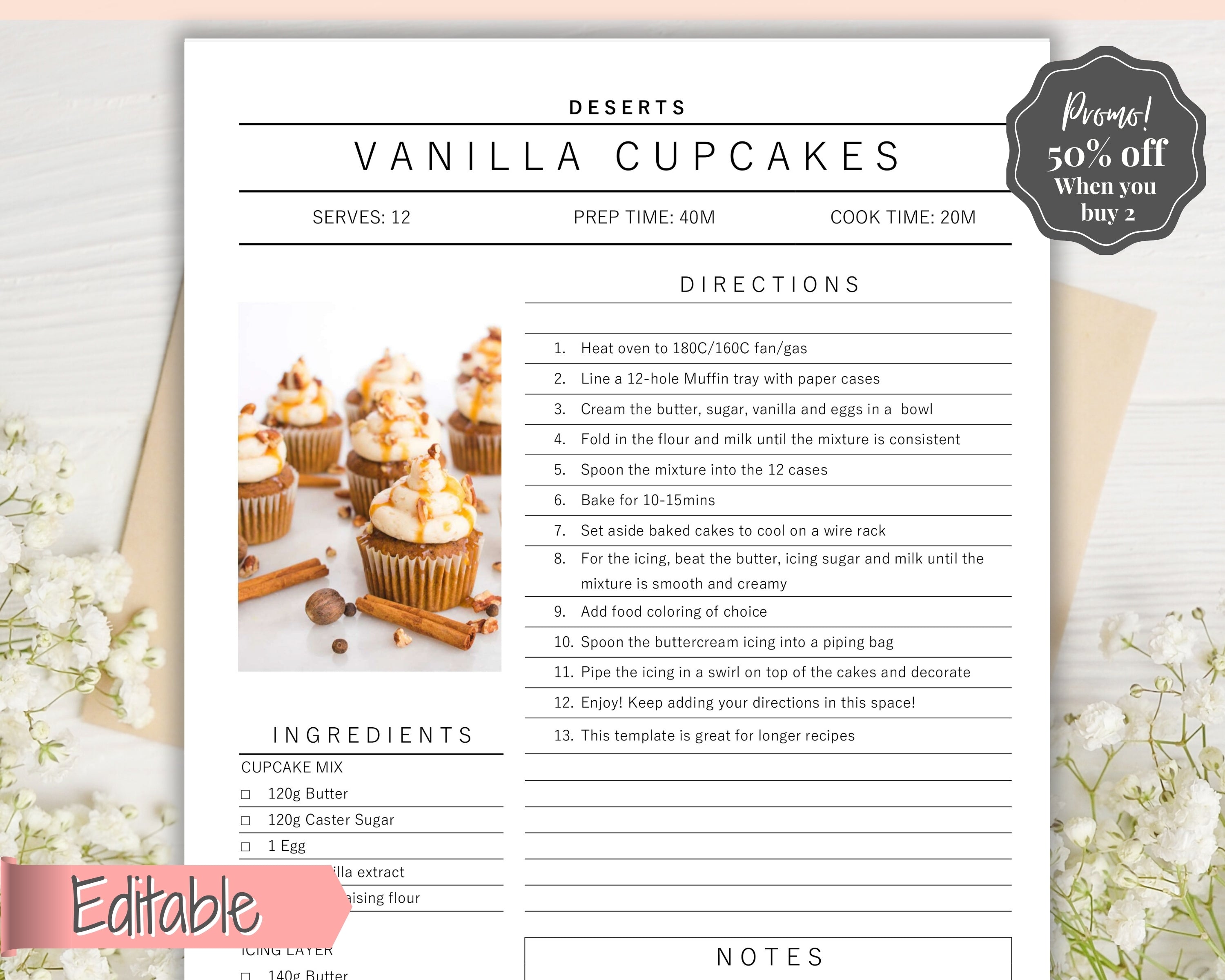
Digital recipe collections have quietly become the modern cook’s best friend, guiding everyone from first-time sautéers to seasoned pros. By gathering dishes, techniques, and stories in one searchable space, these hubs invite people to taste the world without leaving home. This piece looks at why such pages matter today, tracing their influence on curious food lovers, working chefs, and the wider food ecosystem.
Impact on Culinary Enthusiasts
Online recipe hubs have reshaped how hobby cooks find and follow new ideas:
1. A pantry of global flavors: One click leads to dishes spanning continents, encouraging playful swaps and broader palates.
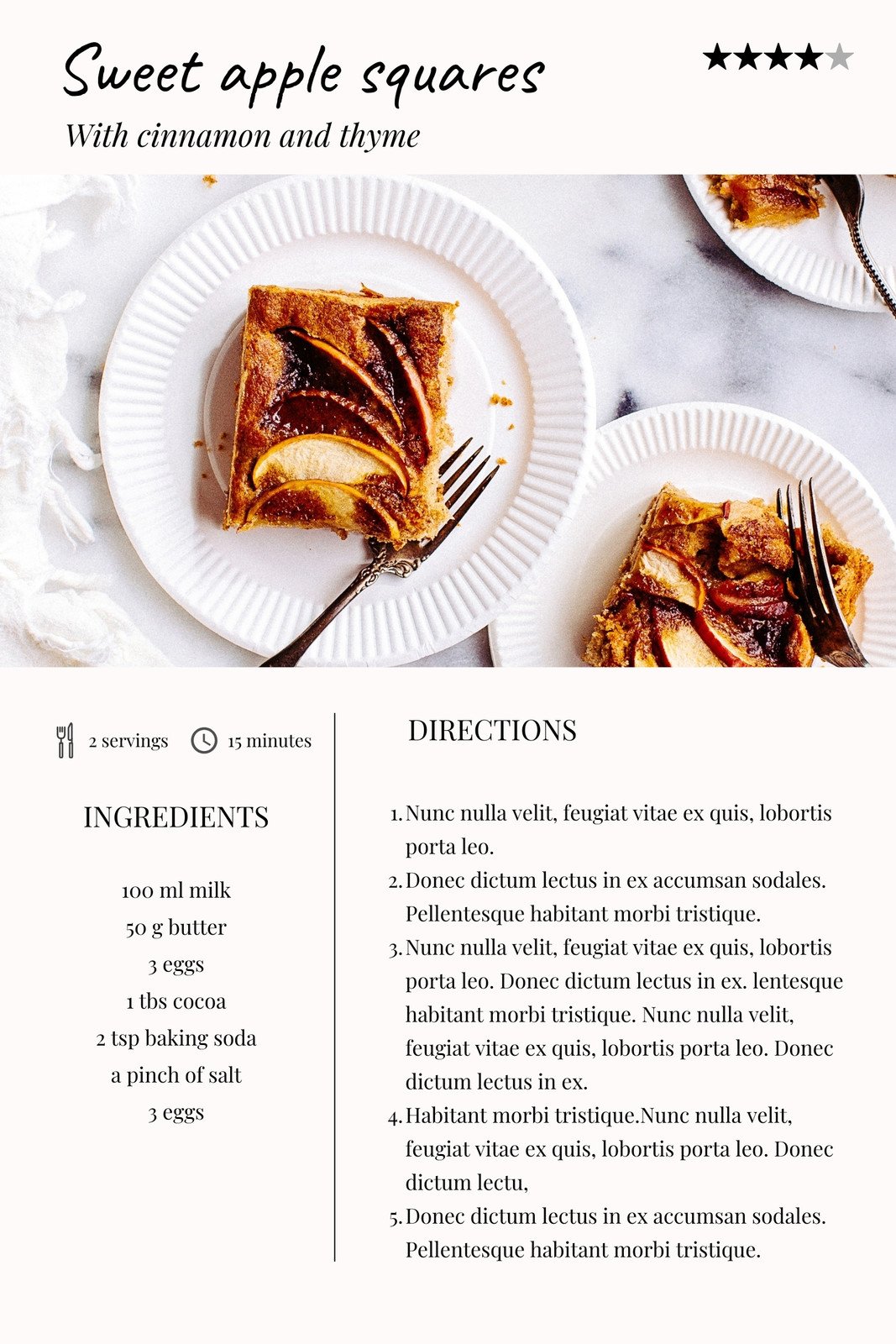
2. Step-by-step skill building: Clear photos, short videos, and timing tips demystify methods like braising or tempering chocolate, turning nerves into confidence.
3. Shared journeys: Comment threads and photo uploads create a round-the-clock potluck where home cooks cheer one another on, ask questions, and celebrate hits or misses.
Impact on Professional Chefs
For those behind the pass, recipe hubs serve as both library and loudspeaker:
1. Creative sparks: Browsing unexpected pairings or regional classics can trigger the next menu star or nightly special.
2. Peer exchange: Posting a trusted method or plating trick invites feedback from colleagues across time zones, refining craft through collective wisdom.
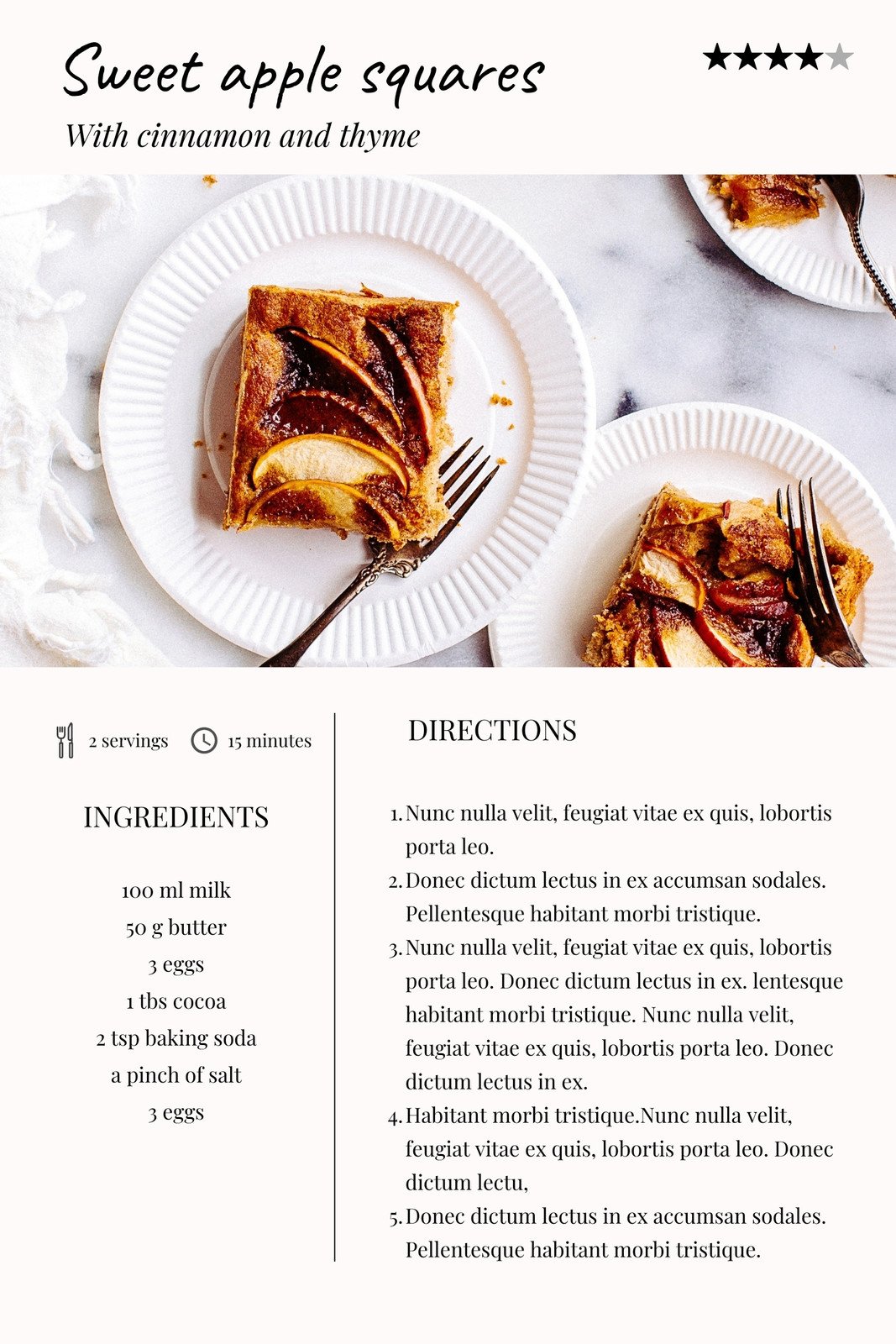
3. Quiet marketing: A well-documented signature dish can travel faster than any business card, drawing diners and media attention without hard selling.
Impact on the Culinary Industry
The ripple effect touches suppliers, schools, and shoppers alike:
1. Classroom overflow: Surging curiosity fuels enrollment in courses, workshops, and virtual lessons that sharpen fundamental skills.
2. Market expansion: Viral dishes boost demand for once-obscure spices or tools, nudging producers to diversify shelves and shipping routes.
3. Smarter choices: Notes on storage, substitutions, and balanced portions guide users toward safer, healthier, and less wasteful routines.
Challenges and Future Directions
Growth brings growing pains:
1. Trust and testing: Variations in altitude, cookware, or ingredient moisture can alter outcomes, so transparent testing notes and user ratings remain vital.
2. Ownership etiquette: Clear attribution and respectful adaptation help protect original creators while keeping inspiration flowing.
3. Tailored guidance: Filters for diet, budget, or local availability turn overwhelming choice into a manageable shortlist.
Looking ahead, expect:
1. Smarter suggestions: Learning algorithms that factor in past likes, seasonal produce, or even what’s already in the fridge.
2. Stronger partnerships: Joint projects with cooking schools, farmers, and wellness coaches that enrich content and credibility.
3. Greener goals: Promoting plant-forward plates, low-waste techniques, and responsible sourcing to nurture both people and planet.
Conclusion:
Recipe hubs have moved far beyond simple instruction lists; they are living classrooms, creative studios, and community tables rolled into one. As technology and tastes evolve, these platforms will keep shaping how we learn, cook, and connect through food.