

The Value of Meal Receipts in Everyday Life
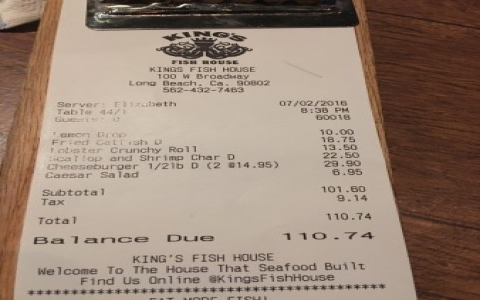
In today’s busy marketplace, the humble meal receipt has quietly become a multi-purpose tool for both diners and businesses. This overview looks at how these small documents evolved, why they matter, and the ways technology is reshaping their future. We will trace their history, outline their practical benefits, and highlight emerging trends that promise to make them even more useful.
The Evolution of Meal Receipts
Proof-of-purchase notes have existed since ancient traders first handed buyers simple written records. Over time, those early chits turned into the detailed slips we now receive after every food purchase, forming a bridge between past and present commercial habits.
From Paper to Digital
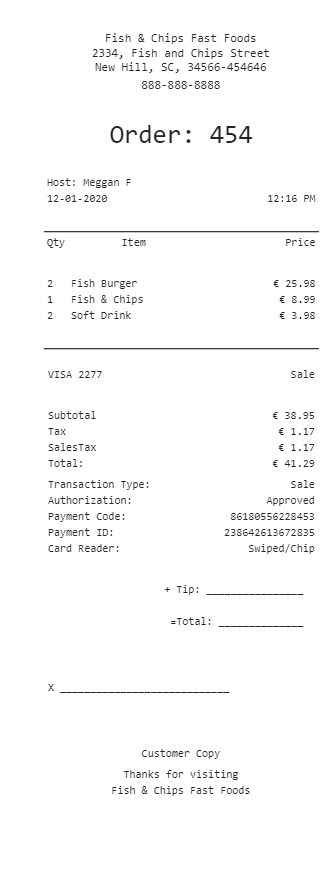
Throughout most of the last century, cafés and restaurants issued handwritten or printed paper slips listing date, time, and items ordered. Once electronic point-of-sale devices arrived, data could be stored digitally, making receipts easier to file, search, and analyze without stacks of paper.
The Rise of Mobile Receipts
Smartphones now let guests choose email, text, or in-app copies instead of printed ones. This choice cuts clutter, saves resources, and gives customers a permanent record they can access anywhere.
The Legal Implications of Meal Receipts
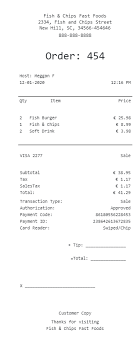
Beyond tracking sales, receipts help meet transparency rules that many regions set for food vendors. Issuing them shows good faith and supports fair-trading standards.
Proof of Purchase
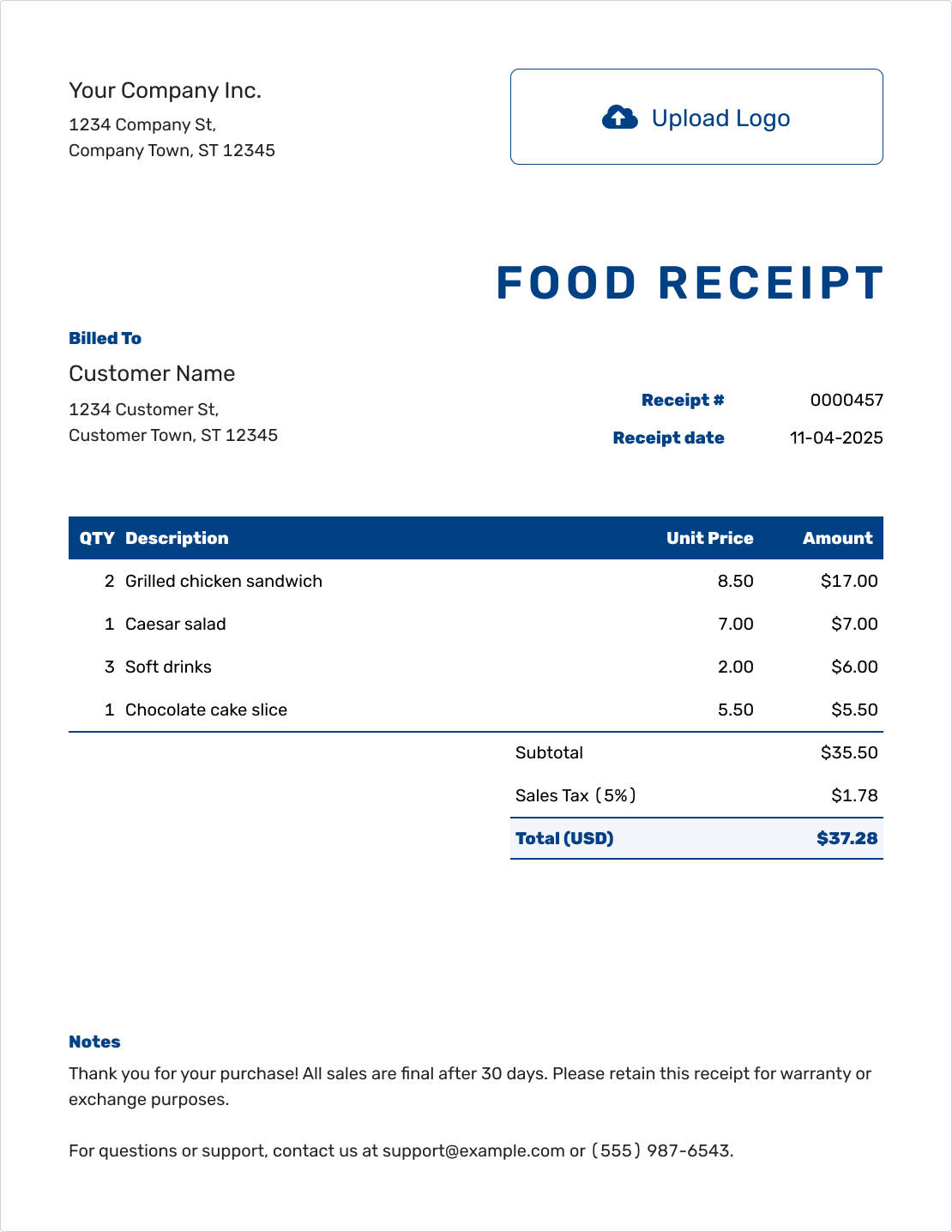
A clear receipt settles questions about what was ordered and paid for, making refunds or corrections simpler for both sides.
Consumer Protection
When meals fall short of expectations, an itemized receipt gives diners the evidence they need to request a replacement or refund.
The Impact of Meal Receipts on Consumer Behavior
The level of detail on a receipt can shape how people judge service quality and whether they decide to return.
Quality Assurance
Seeing each dish listed with prices builds trust, reassuring guests that they received exactly what they paid for.
Marketing Opportunities
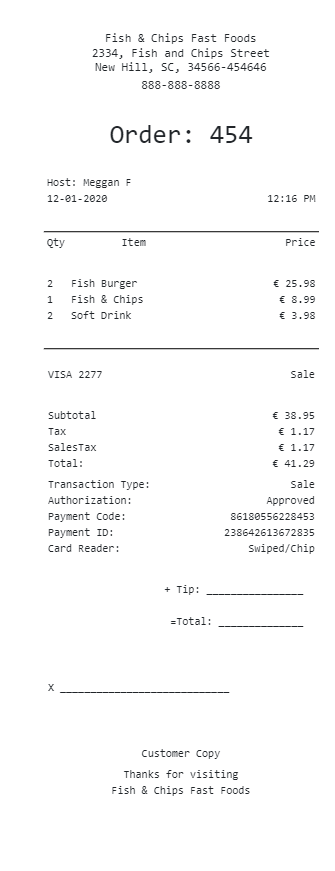
Receipts can double as mini-ads: a coupon printed on the back or a QR code for future deals can entice customers to come back soon.
The Role of Technology in Transforming Meal Receipts
New tools continue to refine how receipts are created, delivered, and stored. Key developments include:
POS Systems
Modern checkout software generates itemized receipts in seconds while syncing sales data with inventory and accounting programs.
Mobile Payments
Contactless wallets automatically push digital receipts into a customer’s payment app, removing the need for paper or even email.
Blockchain Technology
Distributed ledgers are being tested to create tamper-evident digital records, adding an extra layer of trust for both buyers and sellers.
Conclusion
Meal receipts remain essential in food service, balancing legal needs with customer peace of mind. As new tech arrives, their form will keep changing, yet their core purpose—clear proof of every order—will stay the same.
These small documents symbolize the transparency and accountability that keep diners and businesses on the same page. Valuing and improving them helps the entire industry stay efficient, honest, and customer-friendly.
Recommendations and Future Research
To make receipts even better, vendors could:
1. Adopt secure digital systems that safeguard buyer details.
2. Offer mobile-first options to boost convenience and loyalty.
3. Pilot blockchain records to strengthen trust and reduce fraud.
Scholars and developers might explore:
1. How digital formats influence repeat visits and overall satisfaction.
2. Ways receipts can encourage eco-friendly choices in food service.
3. Next-generation tools that further streamline security and storage.
By continually refining these everyday documents, the industry can deliver clearer, greener, and more responsive service to every guest.


