

Title: The Importance of a Thoughtfully Stocked Pantry: Everyday Essentials to Keep on Hand
Introduction:
In our busy modern lives, the lure of ready-made meals and delivery apps is stronger than ever. Yet keeping a thoughtfully stocked pantry remains one of the simplest ways to support daily routines, personal health, and household budgets. This article highlights why maintaining a supply of versatile ingredients matters, outlines the practical advantages it brings, and suggests dependable foods to store at home. With a little planning, anyone can turn a few shelf-stable items into nourishing dishes and reduce last-minute grocery runs.
Benefits of a Well-Planned Pantry
1. Cost-Effectiveness:
Buying staples in larger quantities or during promotions lowers the average cost per serving. A pantry also encourages home cooking, which is almost always cheaper than eating out. Fewer impulse purchases and reduced food waste add up to noticeable savings over time.
2. Nutritional Benefits:
When wholesome ingredients are within arm’s reach, balanced meals become the default choice. Whole grains, legumes, nuts, and seeds supply fiber, plant protein, and healthy fats, making it easier to meet daily nutrient targets without relying on heavily processed options.
3. Convenience:
A ready supply of basics turns “nothing to eat” into “dinner in twenty minutes.” Simple combinations—rice and beans, pasta with canned tomatoes, or oatmeal topped with dried fruit—save effort on hectic evenings and support healthier eating patterns.
4. Emergency Preparedness:
Storms, power outages, or unexpected schedule changes can limit access to fresh food. A pantry stocked with non-perishables provides peace of mind and ensures households can stay nourished until normal shopping resumes.
Reliable Foods to Keep at Home
1. Staple Grains:
Brown rice, whole-wheat pasta, oats, and quinoa offer long shelf life and endless meal possibilities. Rotate varieties to keep meals interesting and to cover a range of textures and flavors.
2. Legumes:
Lentils, black beans, chickpeas, and kidney beans deliver protein, fiber, and minerals. They work in soups, salads, tacos, or veggie burgers, making them indispensable for both plant-based and mixed diets.
3. Nuts and Seeds:
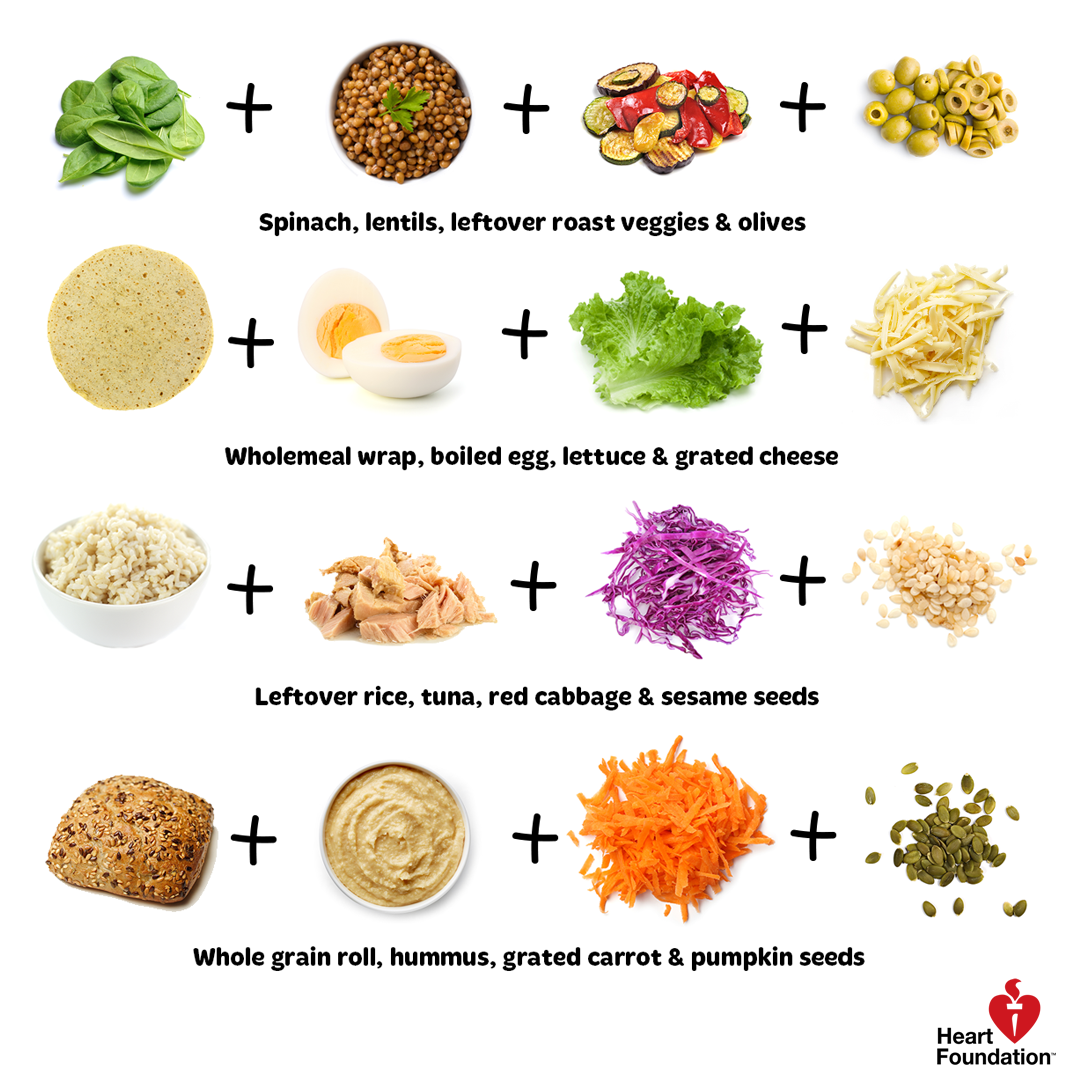
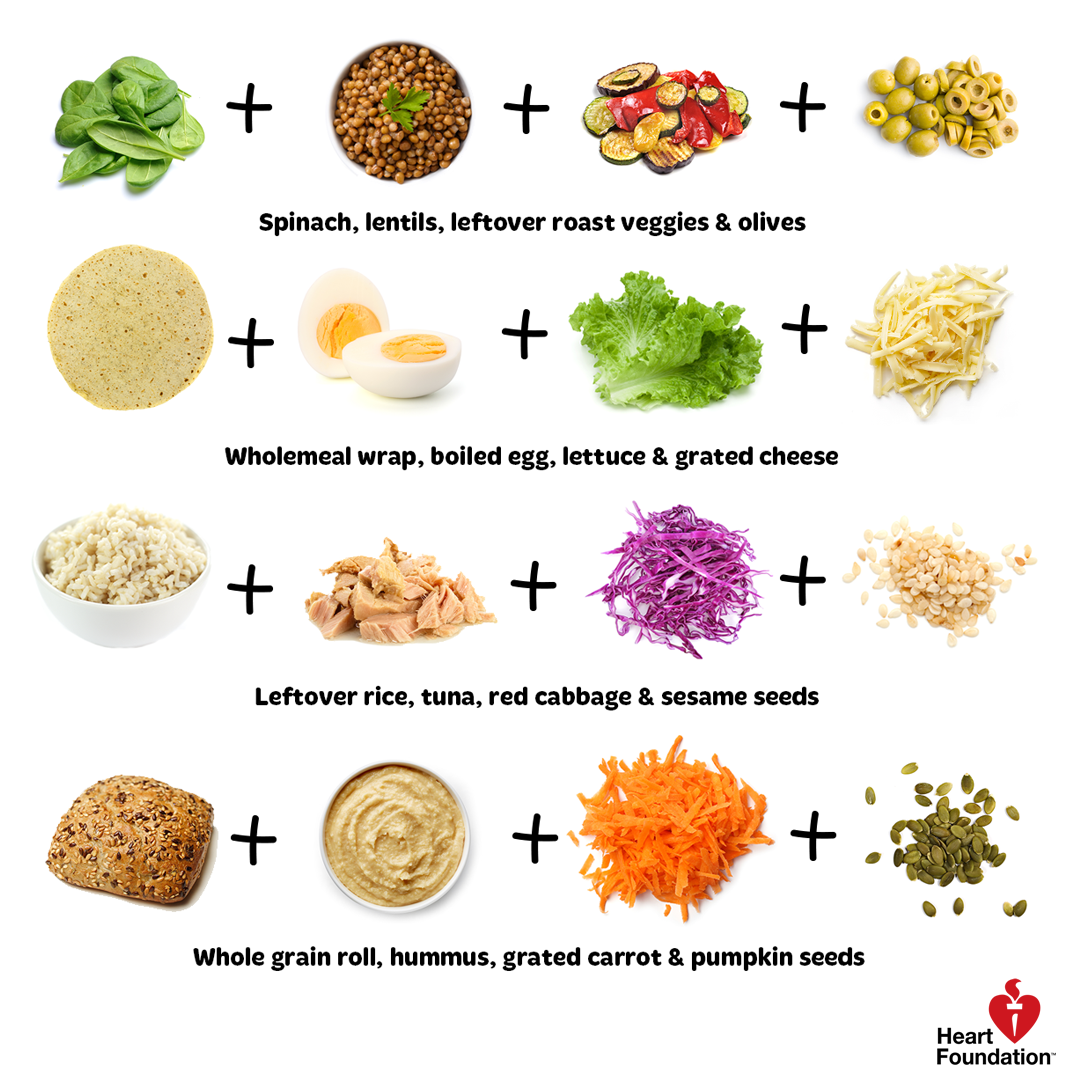
Almonds, walnuts, pumpkin seeds, chia, and flax add crunch, healthy fats, and micronutrients. Store them in airtight containers to maintain freshness, and use as toppings, snacks, or recipe enhancers.
4. Canned Goods:
Tomatoes, beans, corn, and fish such as tuna or salmon extend meal options without refrigeration. Choose low-sodium or water-packed versions when possible, and keep a manual can opener nearby.
5. Dried Fruits and Vegetables:
Raisins, apricots, apple rings, or dehydrated mushrooms and tomatoes introduce natural sweetness and umami to dishes. Add to cereals, trail mix, or simmered recipes for extra flavor and nutrients.
6. Spices and Herbs:
A compact collection of basics—garlic powder, oregano, cumin, paprika, cinnamon—transforms simple ingredients into exciting meals. Replace items every year or so to keep flavors vibrant.
Conclusion:
Maintaining a pantry of dependable staples supports budget goals, healthy eating, and day-to-day convenience while offering a safety net during unexpected events. By selecting versatile, nutrient-dense foods and storing them properly, anyone can enjoy flavorful home-cooked meals with minimal stress. A well-organized shelf is more than food storage—it is a practical step toward consistent, balanced living.