


Where to Find Recipes: A Complete Guide to Trusted Sources
Reliable recipes are the backbone of any kitchen, whether you cook for a living or simply love to experiment at home. With countless places offering dishes from every corner of the globe, it can be hard to know where to start. This guide walks you through the most dependable places to look, along with simple ways to judge which source fits your style.
Introduction
Good cooking blends creativity with clear instruction, and the right recipe is often the first ingredient in a successful dish. From timeless classics to modern twists, the sources you choose shape both flavor and confidence. Below, you’ll find an overview of online hubs, printed books, social feeds, and local gems—plus practical tips for turning any recipe into a meal that feels like your own.
Online Recipe Platforms
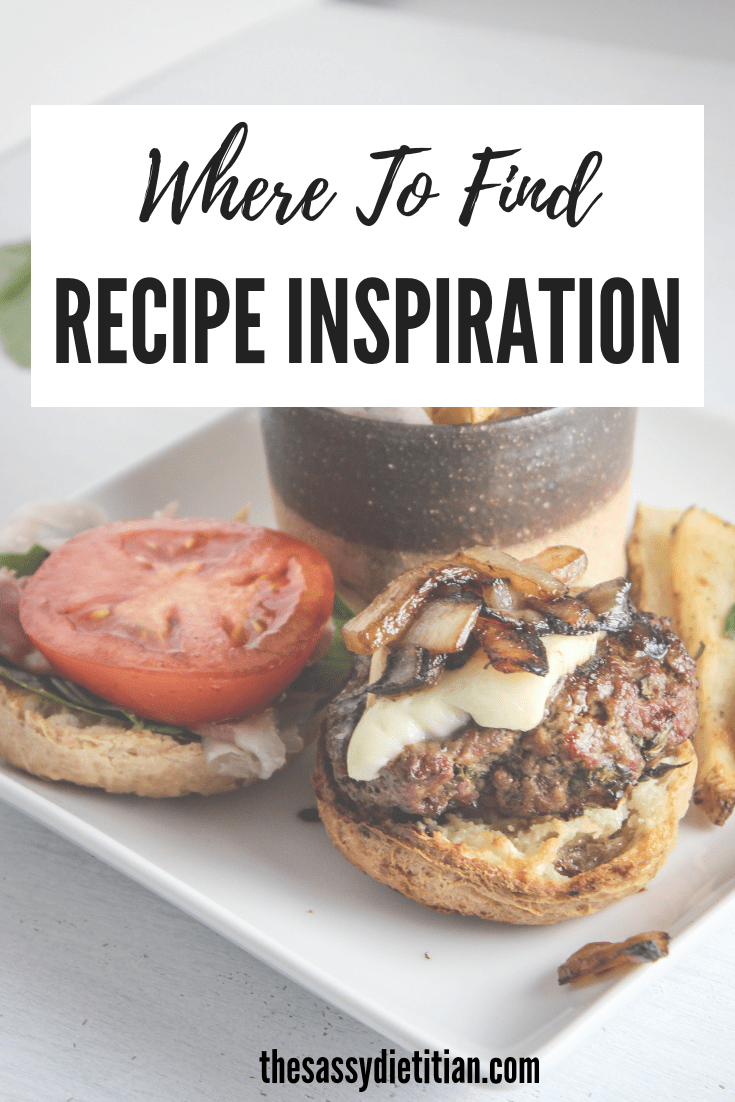
The web puts millions of dishes one click away. These are the main channels home cooks return to again and again:
1. Food Blogs
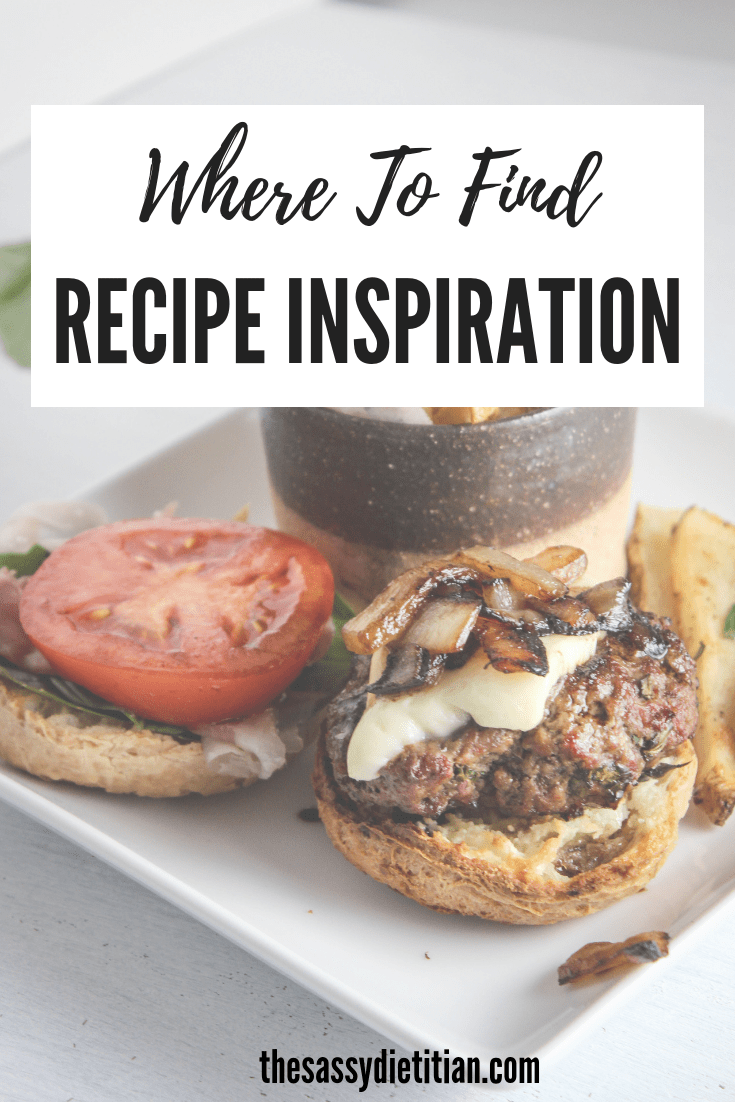
Independent blogs run by enthusiastic cooks offer step-by-step photos, personal stories, and endless variations. They’re ideal when you want a friendly voice guiding you through everything from weeknight pasta to weekend baking projects.
2. Recipe Websites
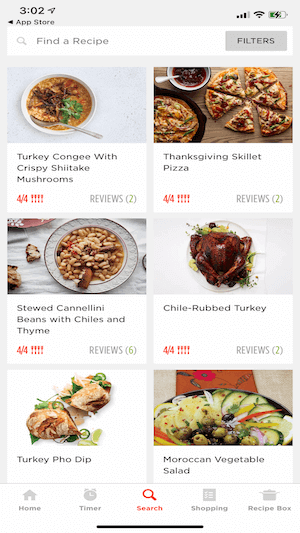
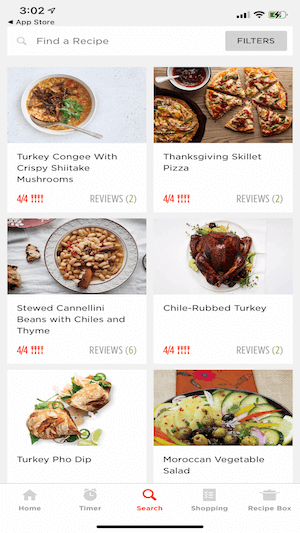
Large archives sort meals by cuisine, skill level, or dietary need. User ratings and reviews give instant feedback, while filters let you hide ingredients you don’t have on hand.
3. Social Media Platforms
Short videos and eye-catching photos on visual apps make it easy to spot a dish you crave. Save posts to themed collections so you can recreate them later without scrolling endlessly.
Cookbooks
Printed books remain a kitchen staple for good reason: they’re curated, tested, and beautifully organized. Consider these categories:
1. General Cookbooks
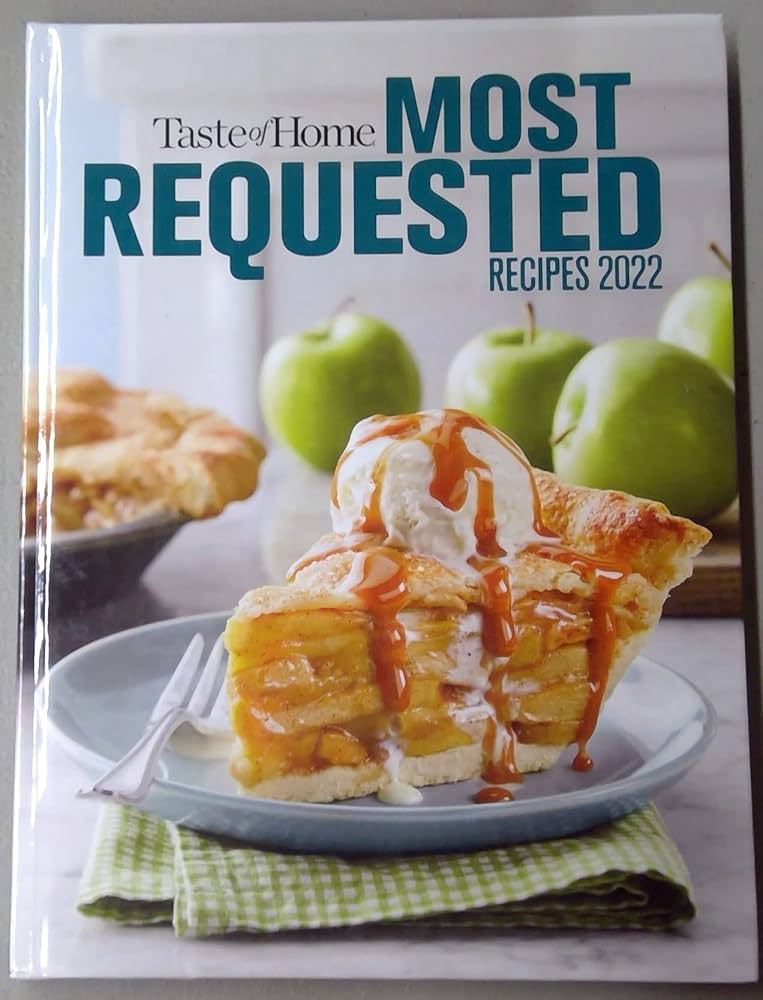
All-purpose volumes cover breakfast through dessert, often including technique tutorials and troubleshooting charts. They’re perfect when you need a single reference that never runs out of battery.
2. Regional Cookbooks
Dive deep into the specialties of a particular country or province. Side notes on local markets, seasonal customs, and ingredient substitutions turn every recipe into a mini cultural tour.
3. Specialized Cookbooks
Whether you’re exploring plant-based meals, mastering sourdough, or learning gluten-free baking, focused titles provide detailed science and variations you won’t find in broader collections.
Food Magazines and Newspapers
Monthly glossies and weekend inserts spotlight seasonal produce, chef techniques, and quick tips you can clip or scan. Many publications now pair each printed recipe with an online video for extra guidance.
Community Resources
Public libraries lend cookbooks for free and often host tasting events. Local markets, culinary clubs, and evening classes swap family favorites, giving you a chance to taste before you cook and to ask questions in real time.
Tips for Finding Recipes
Make any source work harder with these habits:
– Know Your Goals: Decide how much time, equipment, and spice level you can handle before you start browsing.
– Cross-Check: Glance at two or three versions of the same dish to spot common ratios and spot outliers.
– Stay Organized: A simple folder—digital or physical—keeps winners in one place and lets you jot tweaks for next time.
– Taste and Tweak: Swapping herbs, adjusting salt, or changing the cooking fat turns someone else’s recipe into your signature.
Conclusion
Great meals begin with trustworthy recipes, and today’s cooks have more gateways than ever. Rotate between online libraries, well-loved books, social inspiration, and neighborhood wisdom to keep your table fresh. Save what works, change what doesn’t, and enjoy the endless discovery that every new dish brings.


