


The Role of Meal Categories in Nutritional Planning and Health
Introduction
Meal categories offer a practical way to organize food choices and guide balanced eating. By grouping foods according to shared nutrients and culinary roles, they simplify daily decisions and support long-term wellness. This article explains why these categories matter, how they influence health, and how different cultures interpret them.
Definition and Classification of Meal Categories
Definition
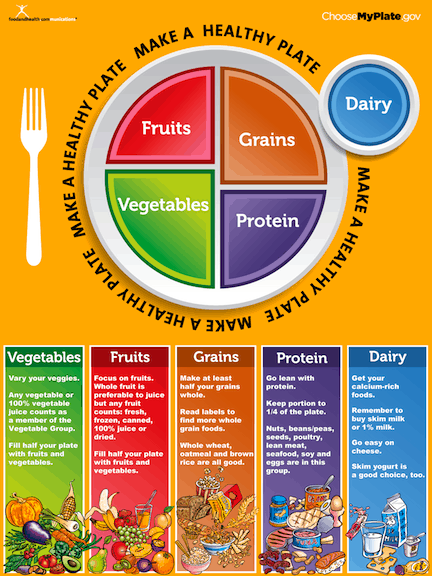
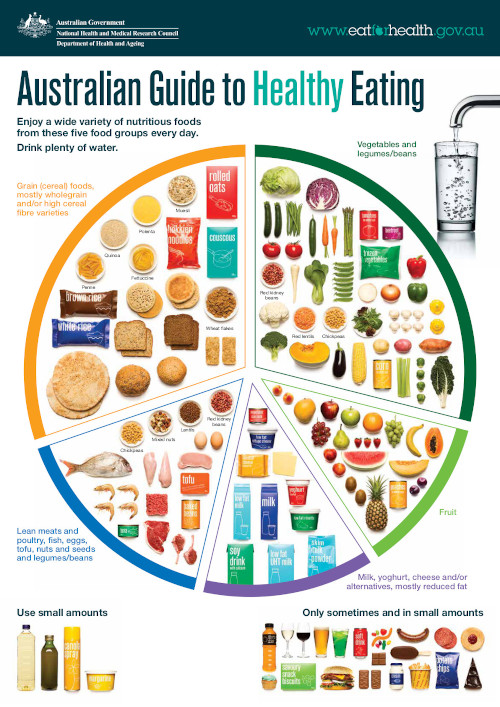
Meal categories are broad groups of foods that share similar nutrient profiles, culinary uses, or agricultural origins. They act as building blocks for planning varied, balanced menus.
Classification
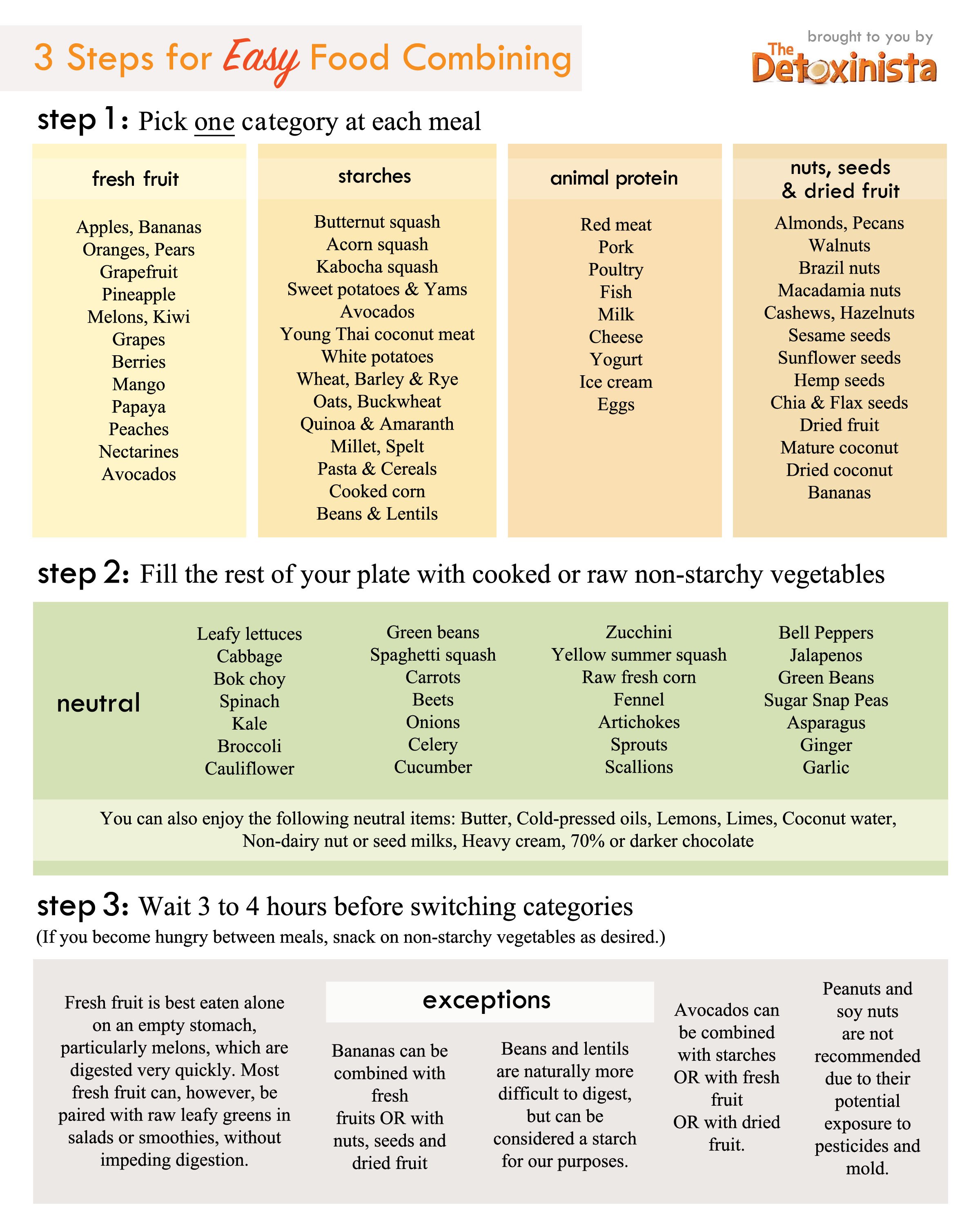
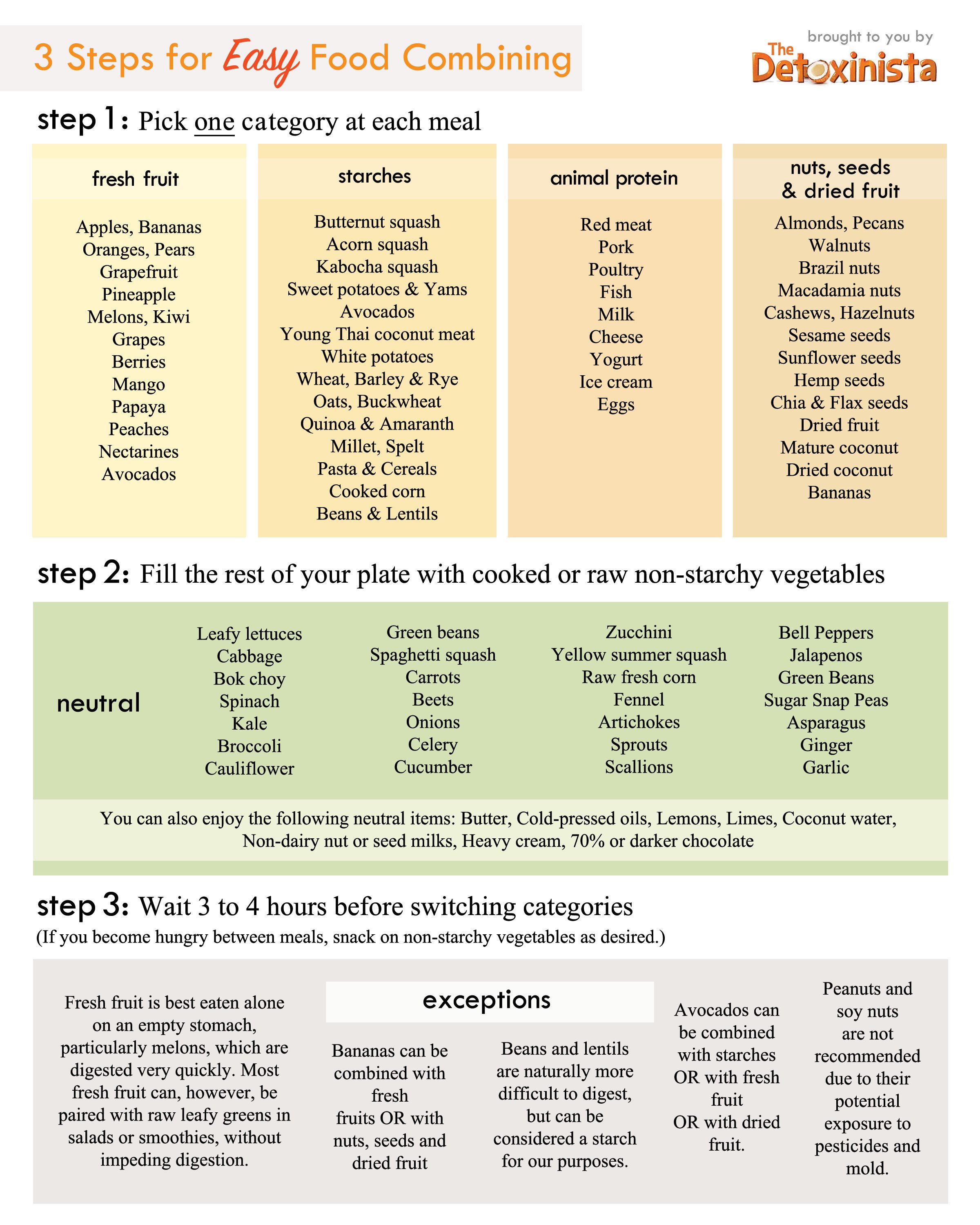
Common groups include:
1. Vegetables and Fruits
2. Grains
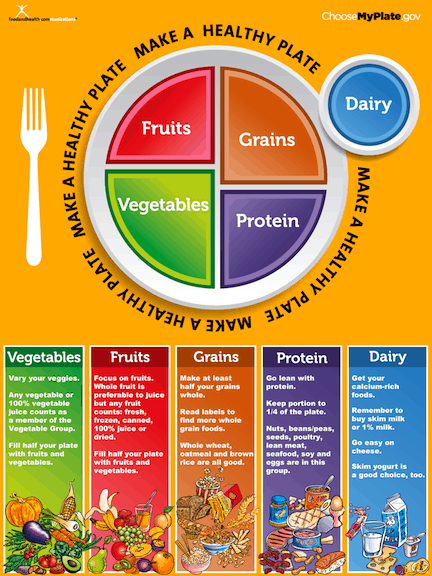
3. Protein Foods
4. Dairy or Alternatives
5. Fats and Oils
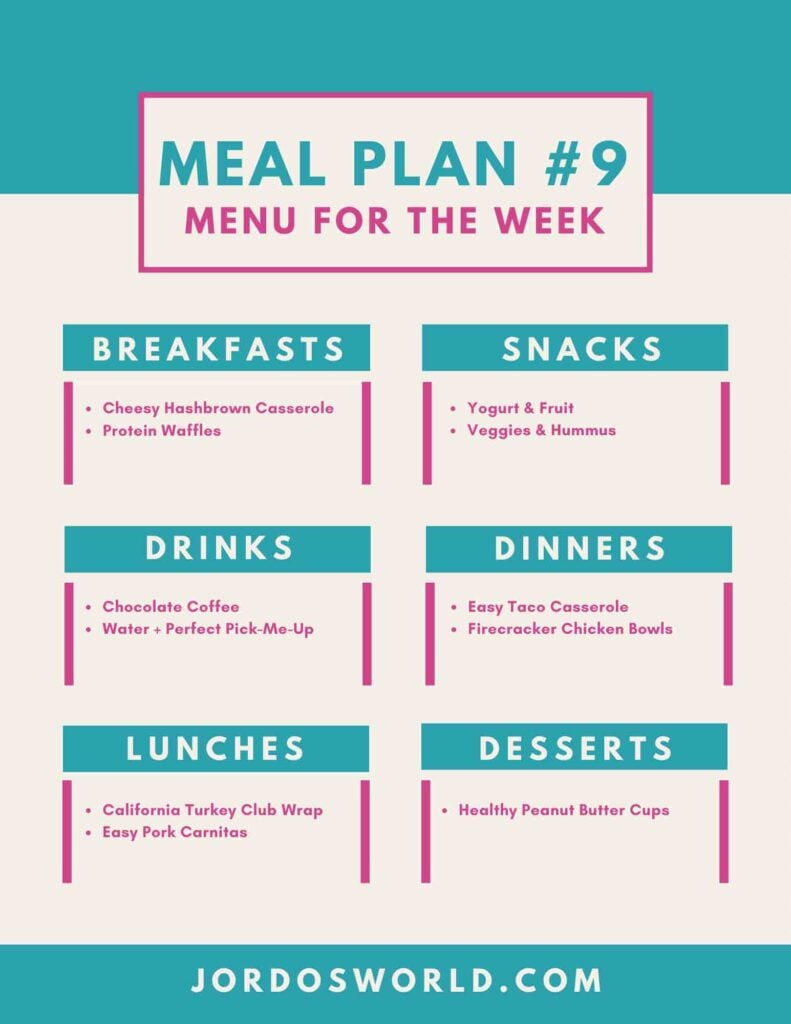
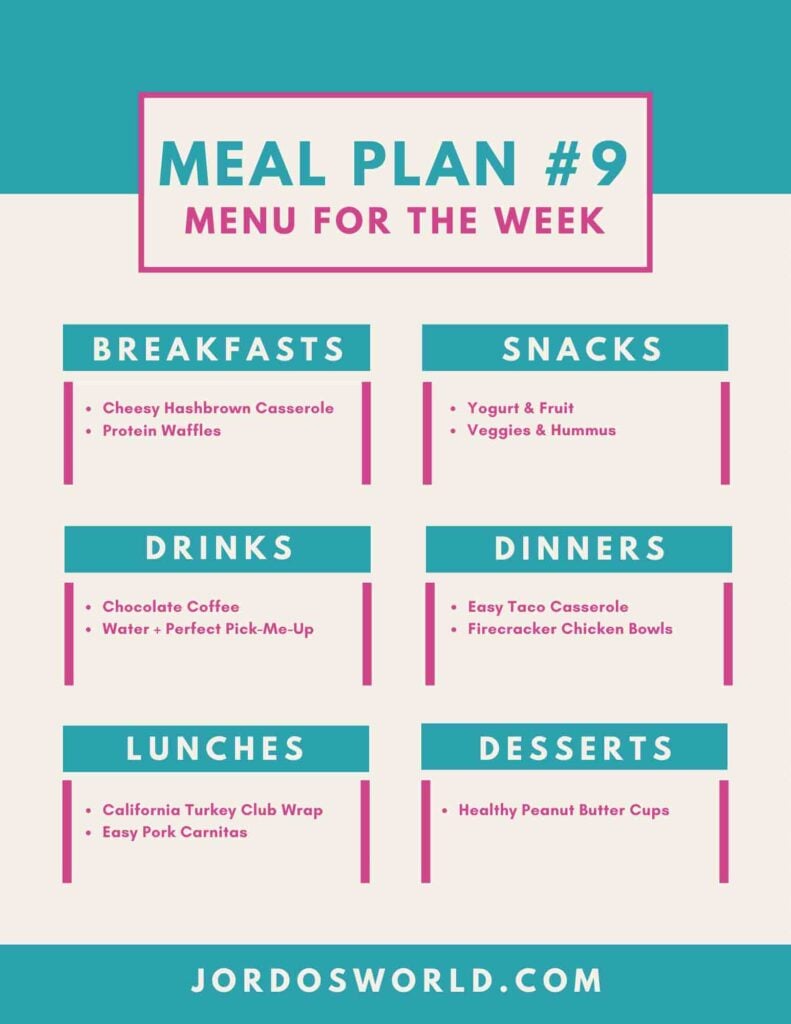
6. Optional Extras such as sweets and snacks
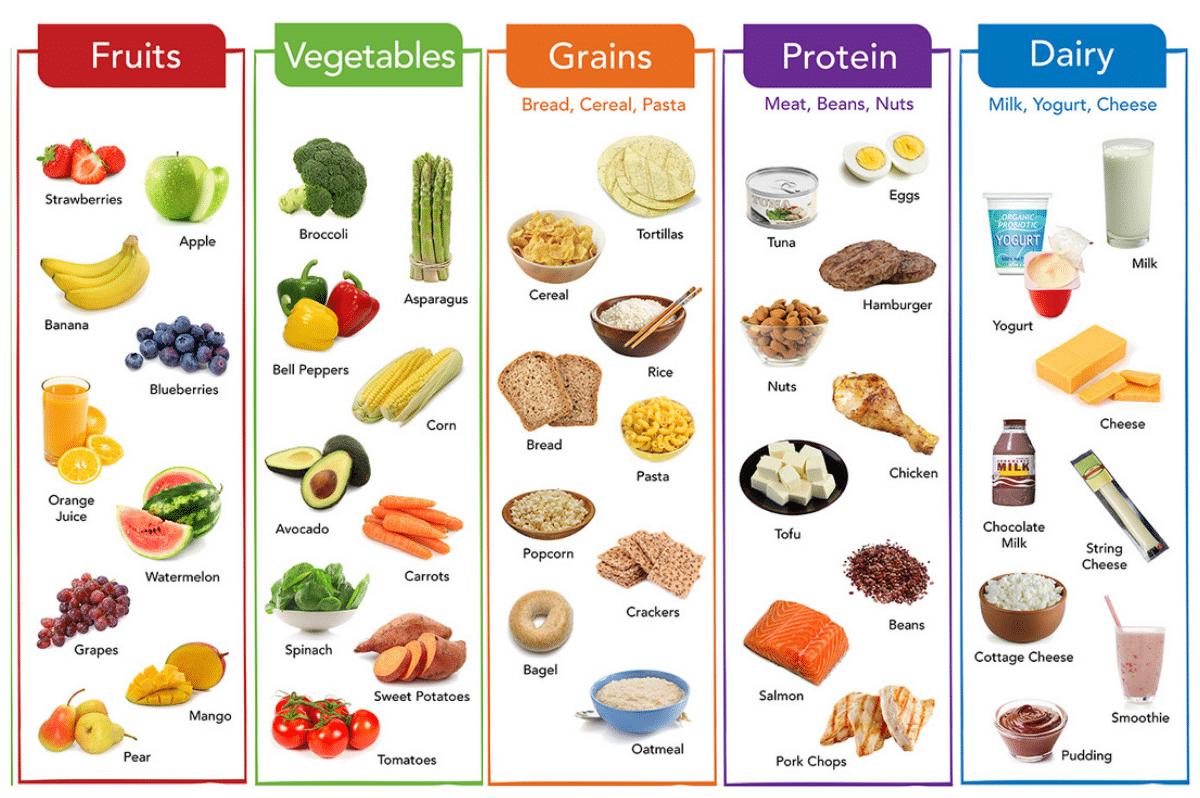
Each category supplies unique nutrients that work together to meet the body’s needs.
Nutritional Significance of Meal Categories
Vegetables and Fruits
These foods deliver vitamins, minerals, antioxidants, and fiber. Regular intake supports immunity, digestion, and overall vitality.
Grains
Grains provide carbohydrates, the body’s preferred energy source. Whole-grain choices add extra fiber and steady blood-sugar release.
Proteins
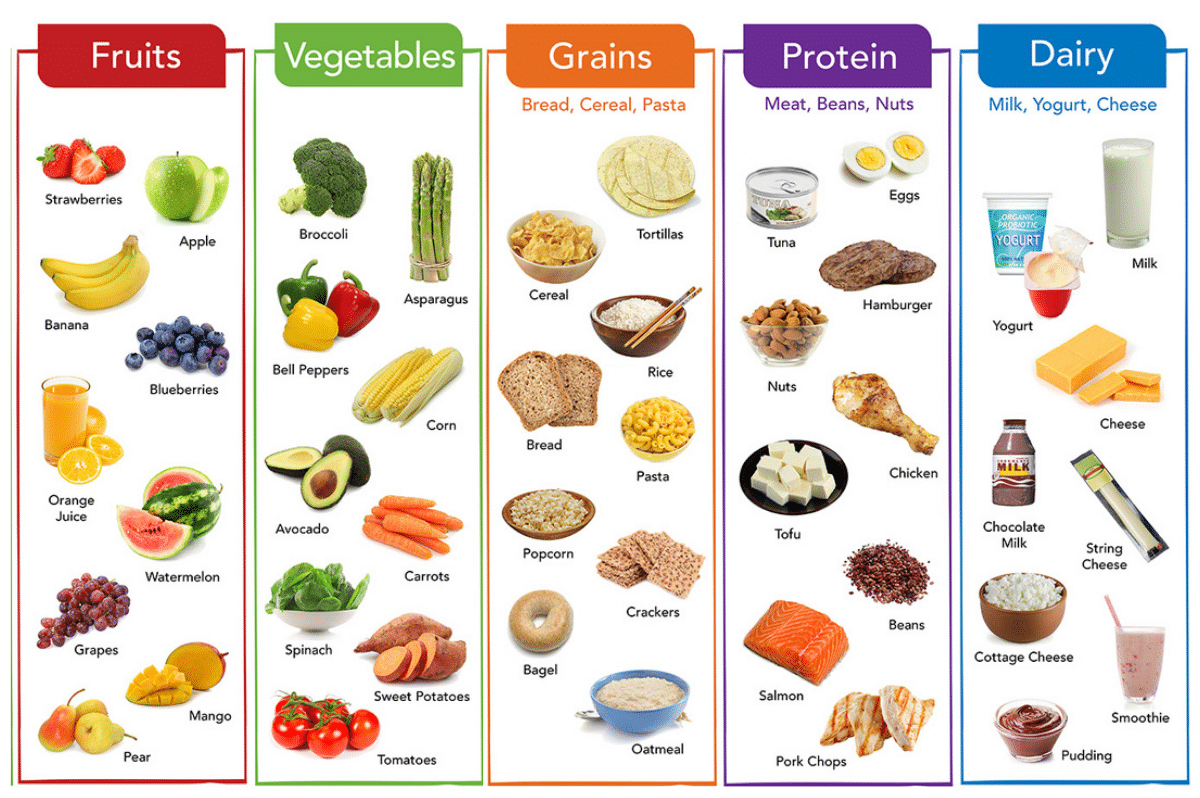
Protein foods supply amino acids for muscle repair, enzyme production, and hormone balance. Sources range from legumes and nuts to fish, eggs, and lean meats.
Dairy
Dairy and fortified alternatives contribute calcium, protein, and vitamin D for bone strength. Plant-based options can offer similar benefits when chosen carefully.
Fats and Oils
Healthy fats aid vitamin absorption and protect organs. Olive oil, avocados, seeds, and nuts supply unsaturated fats linked to heart health.
Sweets and Snacks
Occasional treats fit into an overall balanced pattern when portions stay modest and nutrient-dense choices such as fresh fruit or plain yogurt are favored over heavily processed varieties.
Impact of Meal Categories on Health
Balanced Diet
Using categories as a checklist helps ensure a spectrum of nutrients, lowering the risk of chronic conditions like heart disease and type 2 diabetes.
Nutritional Deficiencies
A varied rotation across categories guards against shortfalls—iron from protein foods, vitamin C from produce, calcium from dairy or substitutes, and so on.
Weight Management
Filling half the plate with vegetables and fruits, pairing whole grains with lean protein, and measuring added fats keeps meals satisfying yet calorie-aware.
Perspectives on Meal Categories
Traditional vs. Modern Classification
Historic systems often balance flavors, temperatures, or energies believed to affect the body. Contemporary science focuses on measurable nutrients and evidence-based guidelines.
Cultural Differences
Mediterranean menus highlight olive oil, seafood, and seasonal produce, while East Asian patterns may emphasize soy, seaweed, and minimal added sugar. Both can be nutritious when overall balance is maintained.
Conclusion
Meal categories remain a simple yet powerful tool for building healthful, enjoyable diets. Blending time-honored culinary wisdom with current nutrition science allows individuals to craft eating patterns that respect culture, taste, and well-being.
Recommendations and Future Research
To keep improving dietary guidance, consider these steps:
1. Educational Programs: Teach practical use of food groups in schools, workplaces, and community centers.
2. Cultural Adaptation: Incorporate traditional foods into guidelines so diverse populations feel represented.
3. Research on Nutritional Patterns: Study long-term health outcomes of various category-based eating styles.
4. Technology Integration: Develop apps that translate personal preferences and nutrient targets into daily menus drawn from each category.
Continued exploration will refine how meal categories support healthier, more inclusive eating around the globe.


