
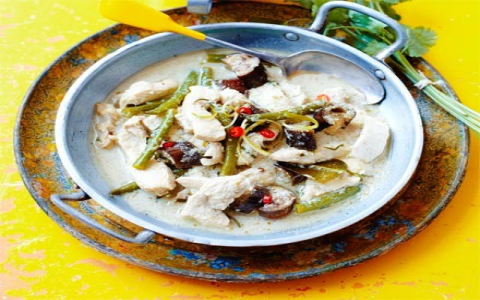

The Impact of Food Cooking Videos on Modern Cooking Culture
Introduction
In recent years, short-form cooking clips have reshaped how home cooks discover recipes and build confidence in the kitchen. Available on countless platforms, these bite-size tutorials now serve as a primary source of culinary ideas and everyday instruction. This overview examines how such content is influencing contemporary food culture, highlighting its advantages, common pitfalls, and likely next steps.
The Benefits of Food Cooking Videos
1. Culinary Inspiration
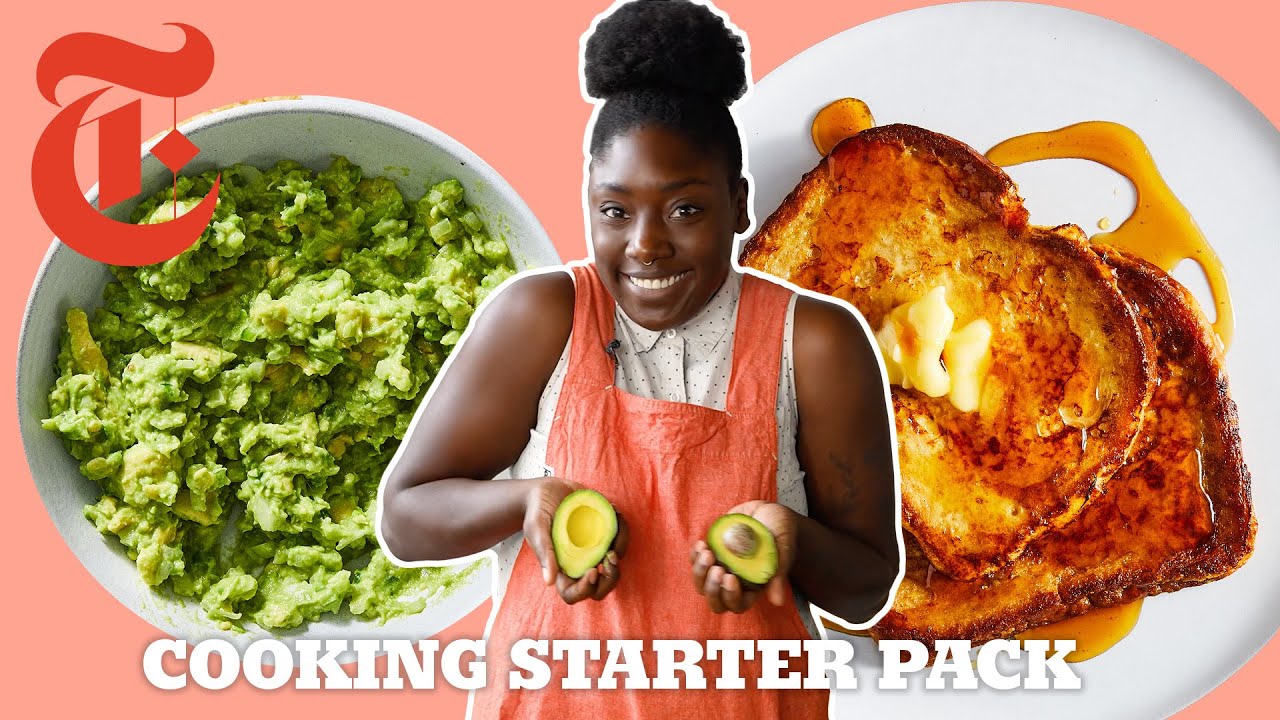
From weeknight noodles to festive pastries, streaming tutorials expose viewers to global flavors and creative plating ideas, encouraging them to try unfamiliar ingredients and broaden their weekly menu rotation.
2. Education and Skill Development
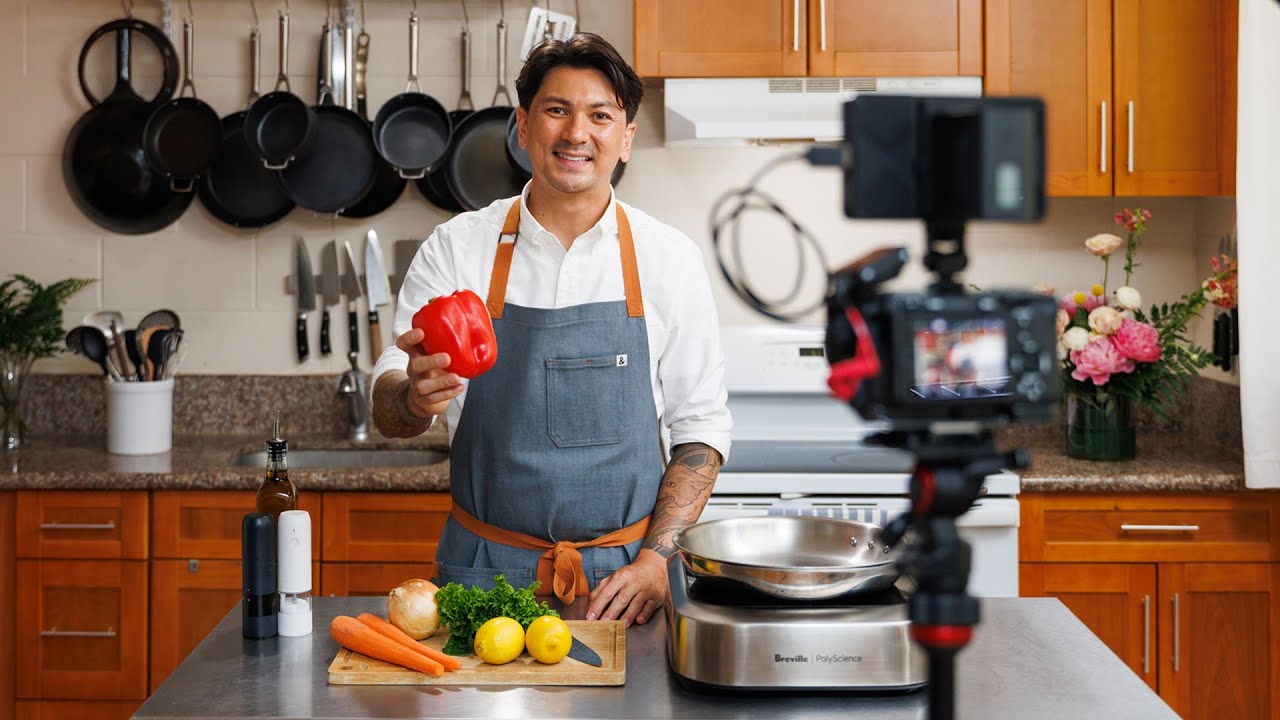
Step-by-step visuals make it easier to master basics such as knife cuts, sauce consistency, or dough texture. Repetition and slow-motion segments allow novices to practice at their own pace until techniques feel natural.
3. Social Connection
Comment sections and live cook-alongs create virtual kitchens where enthusiasts exchange tips, celebrate successes, and troubleshoot flops together, turning solitary meal prep into a shared experience.
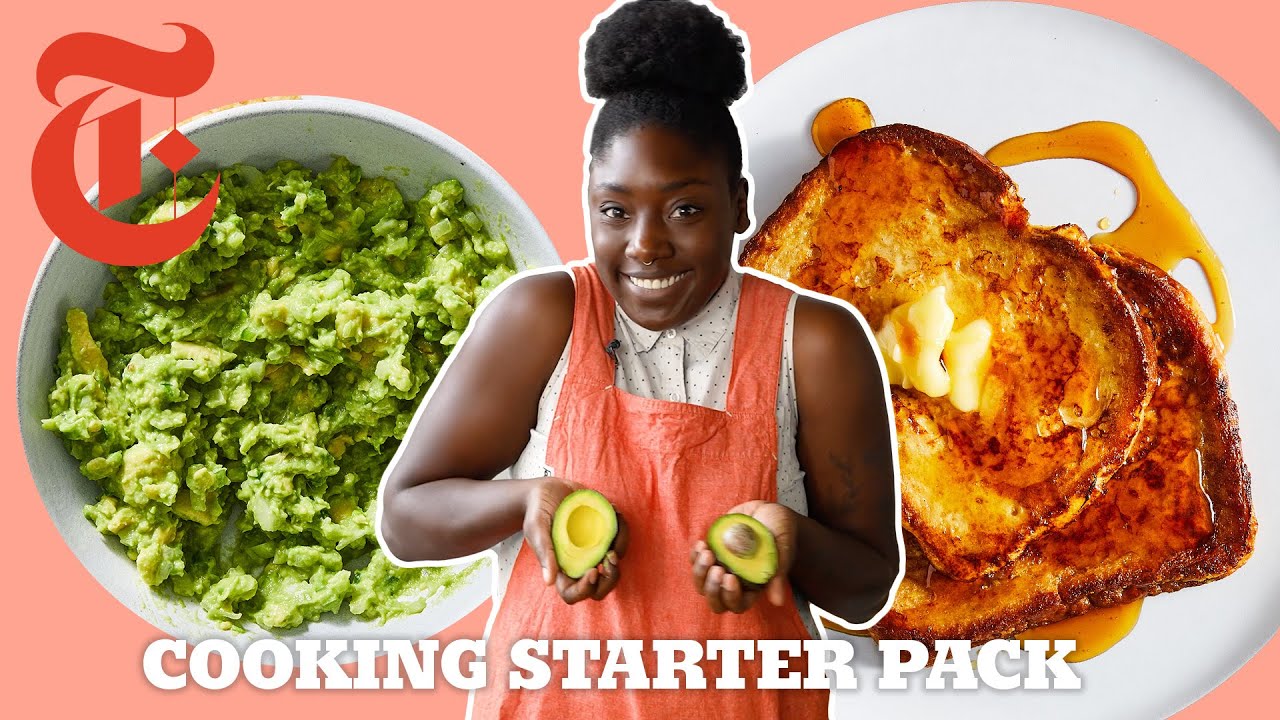
Challenges of Food Cooking Videos
1. Quality and Authenticity
The sheer volume of uploads means instructions can range from restaurant-tested to casually improvised. Viewers must cross-check temperatures, timings, and ingredient ratios to avoid disappointing results.
2. Unrealistic Expectations
Studio lighting, color grading, and selective editing can make dishes appear flawless. Home cooks may feel discouraged when their own plates look more rustic, forgetting that taste matters more than picture-perfect garnish.
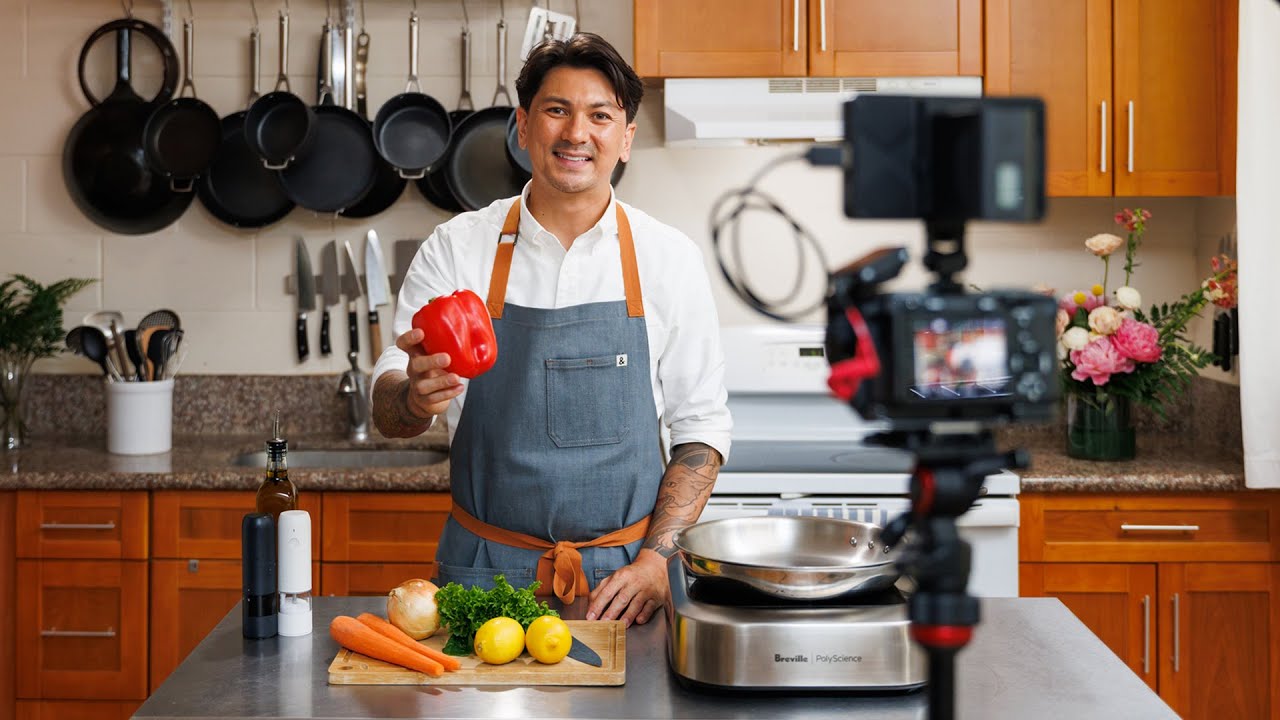
3. Health and Safety Concerns
Occasional clips skip vital steps such as proper meat resting or cross-contamination prevention. Audiences should treat videos as starting points, then consult trusted food-safety guides for finishing details.
The Future of Food Cooking Videos
1. Personalization
Smarter recommendation engines will soon factor in local pantry staples, seasonal produce, and dietary goals, surfacing recipes that minimize waste and fit individual nutrition plans.
2. Interactive Learning
Emerging augmented-reality overlays could place digital timers, temperature gauges, or 3-D folding diagrams right above the stovetop, guiding hands-free cooking while keeping screens at a safe distance.
3. Collaborations and Cross-Promotion
Expect more partnerships between chefs, farmers, and eco-friendly brands, spotlighting sustainable sourcing and reusable tools while introducing audiences to responsible kitchen practices.
Conclusion
Streaming food tutorials have become a vibrant part of everyday culinary life, sparking creativity, building skills, and nurturing community. By staying curious, cross-referencing reliable sources, and focusing on flavor over flash, home cooks can keep the experience both enjoyable and safe as the format continues to evolve.
References
1. General reading on mindful eating and ingredient choices.
2. Scholarly overview of media influence on home cooking habits.
3. Forward-looking title on kitchen technology and sustainability.
4. Popular exploration of flavor science and balanced diets.
5. Classic home-cooking reference that continues to inspire new generations.


