

The Rise of Central Mass Flavors: A Culinary Awakening in the Heart of Massachusetts
Introduction
A mid-sized New England city long celebrated for its historic mills and immigrant heritage is quietly becoming a must-taste destination. Over the past decade, new bistros, night markets, and pop-ups have transformed downtown sidewalks into aromatic promenades, giving rise to what locals simply call “Central Mass Flavors.” This piece looks at how the movement began, the energy it has injected into the region, and why the momentum shows no sign of slowing.
The Evolution of Central Mass Flavors
The Historical Context
Successive waves of newcomers—Irish laborers, Swedish wire-workers, West Indian nurses, and Southeast Asian students—each opened grocery counters, church suppers, and weekend food stalls. Those small, family-run tastes accumulated into a layered culinary map: wood-fired pizza beside lemongrass broth, pierogi sharing tables with jerk chicken, all within a few walkable blocks.
The Economic Spark
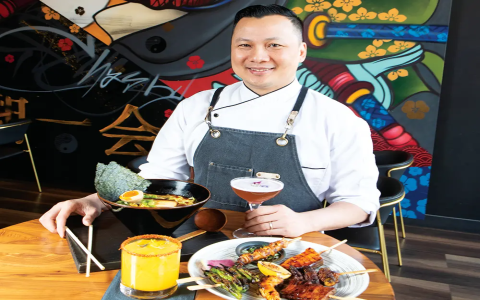
As medical centers and universities expanded, young professionals flocked in, seeking lunch beyond the brown-bag standard. Vacant storefronts became ramen labs, vegan bakeries, and third-wave cafés almost overnight, encouraged by modest rents and a city eager to reinvent itself.
The Impact of Central Mass Flavors
Boosting Local Economy
Every new opening—whether a ten-seat noodle bar or a rooftop apiary—creates supplier links to nearby farms, print shops, and tech vendors. Indirectly, food tourism fills hotel rooms and ride-share seats, circulating extra dollars through neighborhoods that once watched commerce bypass them.
Preserving Cultural Heritage
Grandmothers’ recipes are no longer hidden in kitchen drawers; they headline Saturday night specials. When a café plates injera, tamales, or saffron rice, it invites diners to travel by taste, keeping ancestral flavors alive for younger generations who might otherwise only hear stories.
The Challenges and Opportunities
The Challenge of Competition
Popularity breeds saturation. Newcomers must balance authenticity with novelty, price with quality, and social-media buzz with long-term trust. Yet that same pressure sparks rotating menus, chef swaps, and fusion experiments that keep palates curious.
The Opportunity for Collaboration
Shared compost programs, pooled delivery cooperatives, and joint late-night food crawls show rivals trading guarded recipes for collective growth. Seasonal festivals now spotlight everything from kimchi-making demos to mead-pairing workshops, turning solitary kitchens into one large, collaborative pantry.
The Future of Central Mass Flavors
Expanding Culinary Horizons
Community colleges have added fermentation science tracks, while high-school culinary clubs cater mayoral galas. Graduates no longer automatically migrate to bigger metros; instead, they open incubator stalls downtown, confident the audience is already seated and hungry.
The Role of Technology
QR-code menus update in real time as produce arrives, and neighborhood apps push “surplus loaves” at closing time to curb waste. Livestream cooking classes let out-of-state alumni recreate the local magic, widening the brand without an extra mile of food miles.

Conclusion
Central Mass Flavors has turned weekday lunch breaks and weekend date nights into cultural crossroads, feeding both stomachs and civic pride. If collaboration, education, and sustainability remain at the table, the region’s next chapter will be as satisfying as its signature small plates.
Recommendations and Future Research
To keep the momentum appetizing, consider these steps:
1. Invest in Culinary Education: Expand scholarship slots for culinary-arts students and host free pop-up workshops in underused community centers.
2. Promote Local Produce: Create a “harvest stamp” that eateries can display when a set percentage of ingredients come from within the county.
3. Enhance Accessibility: Support mobile markets and sliding-price menus so every resident can join the feast, not just the foodies.
Future research could explore the following areas:
1. The Economic Impact of Central Mass Flavors on Local Communities: Map how new food ventures affect employment and property values block by block.
2. The Role of Social Media in Promoting Central Mass Flavors: Track which platforms convert clicks into actual foot traffic and tasting-tour bookings.

3. The Sustainability of Central Mass Flavors: Measure food waste, packaging footprints, and energy use, then pilot green-certification standards tailored to small independents.


