


The Nourishing Power of Home-Cooked Meals
Introduction
Home-cooked meals have long been celebrated for their warmth, taste, and nutritional value. In a world dominated by fast food and processed snacks, the act of preparing meals at home has become a rarity. However, recent discussions have highlighted the numerous benefits of home-cooked meals, not just for physical health but also for mental well-being and social connections. This article delves into the significance of home-cooked meals, their impact on health, and the role they play in fostering family and community bonds.
The Nutritional Value of Home-Cooked Meals
The Importance of Nutritional Balance
One of the primary advantages of home-cooked meals is the ability to control the ingredients and cooking methods, ensuring a balanced and nutritious diet. Research indicates that individuals who cook at home tend to consume more fruits, vegetables, and whole grains compared to those who rely on restaurant or takeout meals. This is because home-cooked meals allow for the inclusion of fresh, whole foods that are rich in vitamins, minerals, and antioxidants.

Reduced Risk of Chronic Diseases
The nutritional benefits of home-cooked meals extend beyond the immediate intake of vitamins and minerals. Studies suggest that individuals who frequently prepare meals at home have a lower risk of developing chronic diseases such as obesity, diabetes, and heart disease. This is attributed to the control over portion sizes, cooking methods, and the inclusion of healthier ingredients.
The Psychological Benefits of Home-Cooked Meals
Stress Reduction and Relaxation
Preparing and enjoying a home-cooked meal can be a therapeutic experience that reduces stress and promotes relaxation. Research has found that cooking can have a positive impact on mental health, reducing symptoms of anxiety and depression. The act of cooking requires focus and mindfulness, which can help individuals to disconnect from the pressures of daily life.
Family Bonding and Social Connections
Home-cooked meals are often associated with family gatherings and social events. These occasions provide an opportunity for family members and friends to connect, share stories, and create lasting memories. Studies have shown that family mealtime is associated with improved communication, emotional well-being, and academic performance in children.
The Economic Benefits of Home-Cooked Meals

Cost-Effectiveness
Preparing meals at home can be more cost-effective than dining out or ordering takeout. Reports indicate that the average person spends a significant amount each year on dining out. By cooking at home, individuals can save money while enjoying fresh, homemade meals.
Environmental Impact
In addition to the economic benefits, home-cooked meals also have a positive environmental impact. By reducing the need for packaging and transportation associated with takeout and delivery services, individuals can contribute to a more sustainable future.
Conclusion
The significance of home-cooked meals cannot be overstated. They offer numerous health, psychological, and economic benefits, while also fostering family and community bonds. As the pace of modern life continues to accelerate, it is crucial to prioritize the act of cooking and enjoying meals at home. By doing so, individuals can improve their overall well-being and contribute to a healthier society.
Recommendations and Future Research
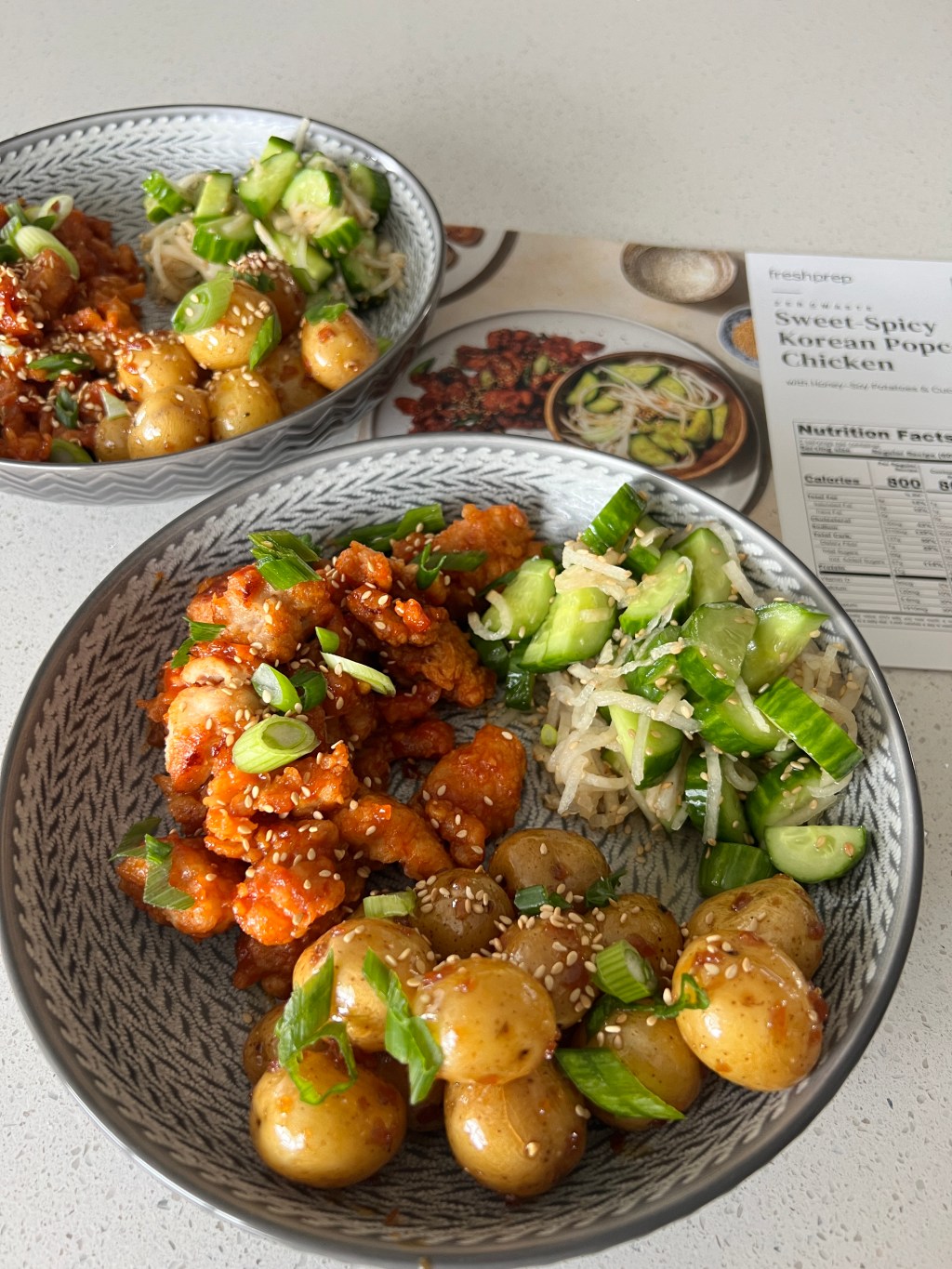
To encourage the consumption of home-cooked meals, it is essential to promote cooking education and provide accessible resources for individuals of all ages. Schools, community centers, and online platforms can offer cooking classes and recipes that cater to diverse dietary needs and preferences.
Future research should focus on the long-term effects of home-cooked meals on health and well-being, as well as the development of innovative cooking technologies that make meal preparation more efficient and enjoyable.
In conclusion, home-cooked meals are a valuable aspect of our lives that should be cherished and nurtured. By prioritizing this tradition, we can improve our health, strengthen our relationships, and contribute to a more sustainable future.


