

The Impact of Bread-Free Meals on Nutrition and Health
Introduction
Skipping bread at meals has become increasingly popular as people look for simple ways to sharpen their diets. Once seen as an essential staple, bread is now often questioned for its influence on weight, blood sugar, and general wellness. This overview looks at what happens when bread is left off the plate, how nutrients shift, and which everyday foods can fill the gap without sacrificing balance.
The Role of Bread in the Diet
Bread supplies quick carbohydrates and, in some forms, fiber. Yet the health effect depends on ingredients and processing. Highly refined loaves digest rapidly, which can lift blood glucose quickly and may, over time, nudge metabolic risk upward when eaten in large amounts.
Health Benefits of Bread-Free Meals
Weight Management
Removing bread can lower total calories without formal dieting. Refined slices offer limited fullness per bite, so dropping them often leads to smaller portions and higher overall fiber from vegetables, legumes, and fruit. Many people notice gradual fat loss simply because they feel satisfied sooner and snack less.
Blood Sugar Control
Without fast-digesting bread, post-meal glucose peaks tend to flatten. steadier levels translate to better energy, fewer cravings, and reduced strain on insulin production, factors linked to lower diabetes risk over time.
Heart Health
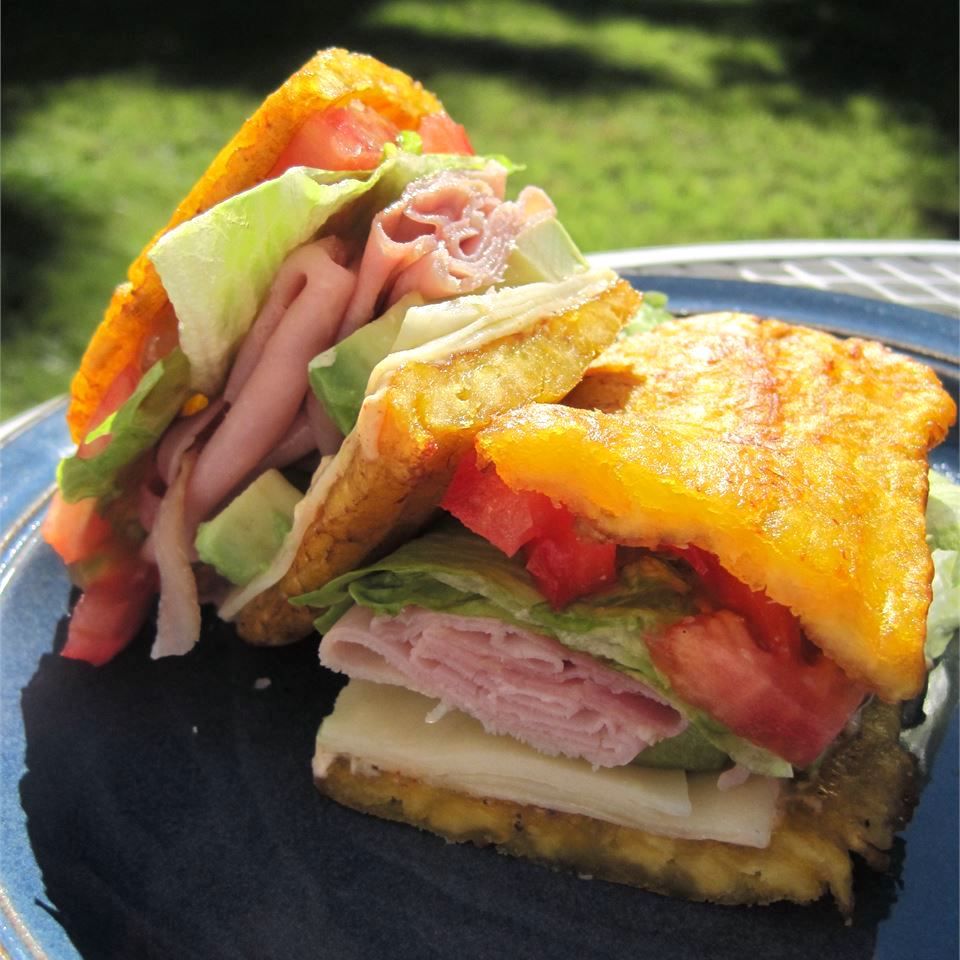
Typical white bread carries added sodium and sometimes trans-fat in commercial spreads that accompany it. Replacing it with potassium-rich produce and healthy-fat options such as avocado or olive oil supports healthier blood-pressure patterns and lipid profiles.
Challenges and Considerations
While the advantages are clear, a bread-free plate needs a little planning.
Nutritional Balance
Bread fortified with B-vitamins and minerals has long been a convenient source of micronutrients. Swapping in whole grains like oats, buckwheat, or brown rice, plus a variety of colorful vegetables, restores these nutrients naturally. A sprinkle of seeds or a serving of legumes covers magnesium and iron gaps.
Social and Cultural Factors
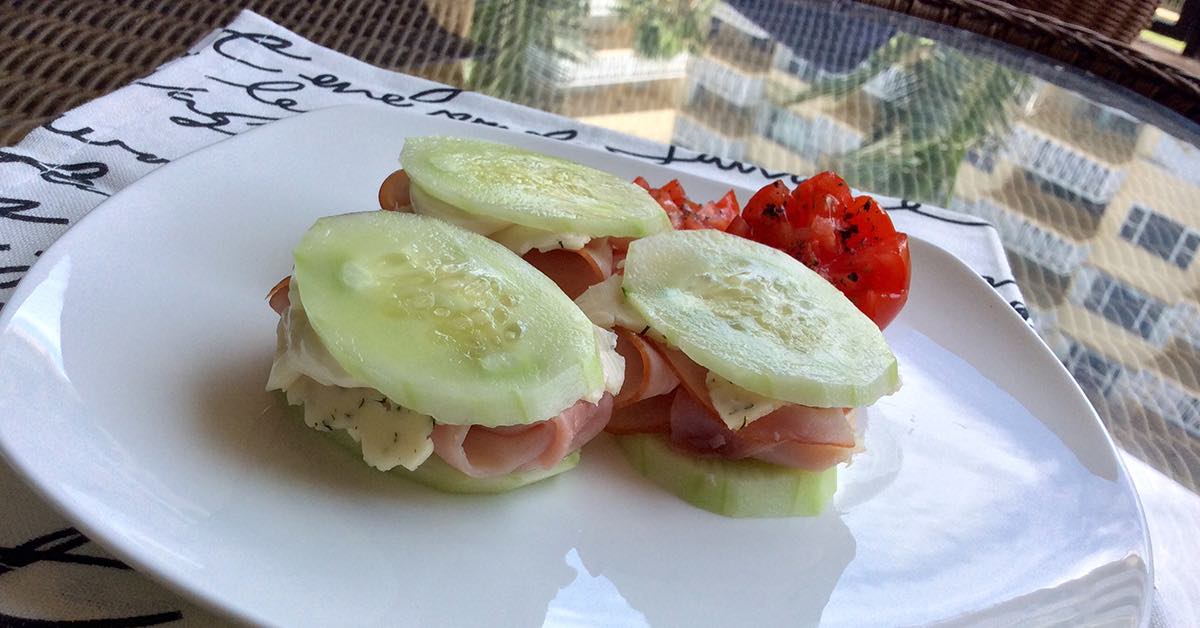
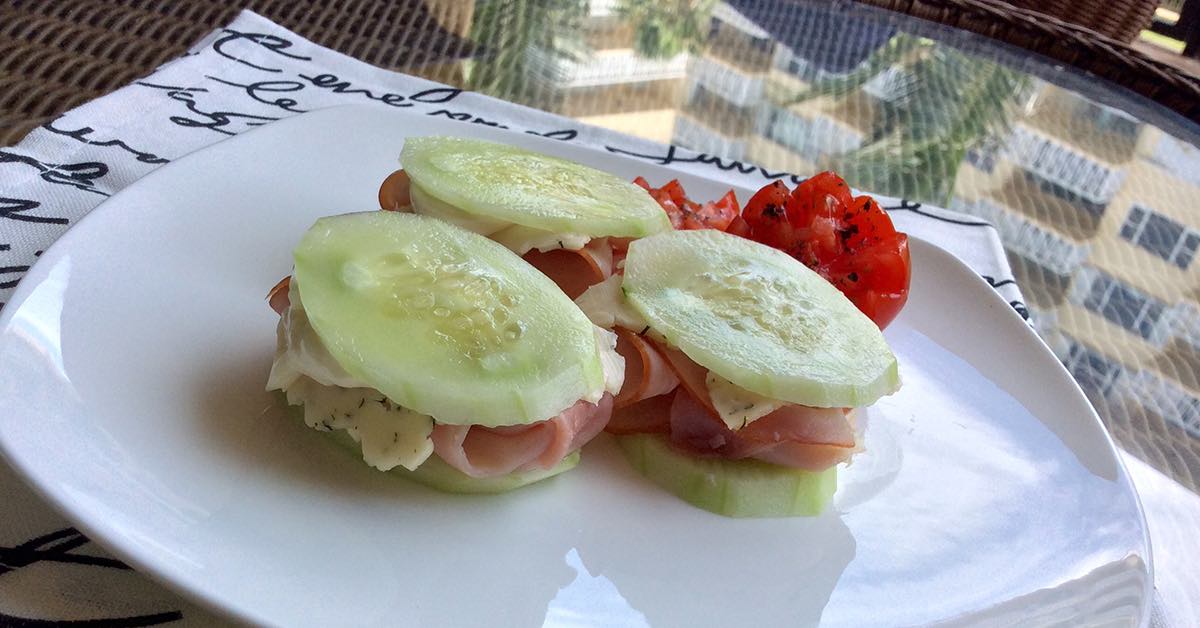
From picnic sandwiches to restaurant bread baskets, wheat-based sides are woven into social eating. Choosing lettuce wraps, grain bowls, or vegetable-based “buns” keeps the spirit of the meal alive while respecting personal goals. Communicating preferences ahead of gatherings prevents last-minute pressure.
Alternatives to Bread
Practical stand-ins are already on most grocery lists:
– Whole Grains: quinoa, millet, or overnight oats provide chew and sustained energy.
– Legumes: lentil patties, hummus wraps, or black-bean tacos add protein and fiber.
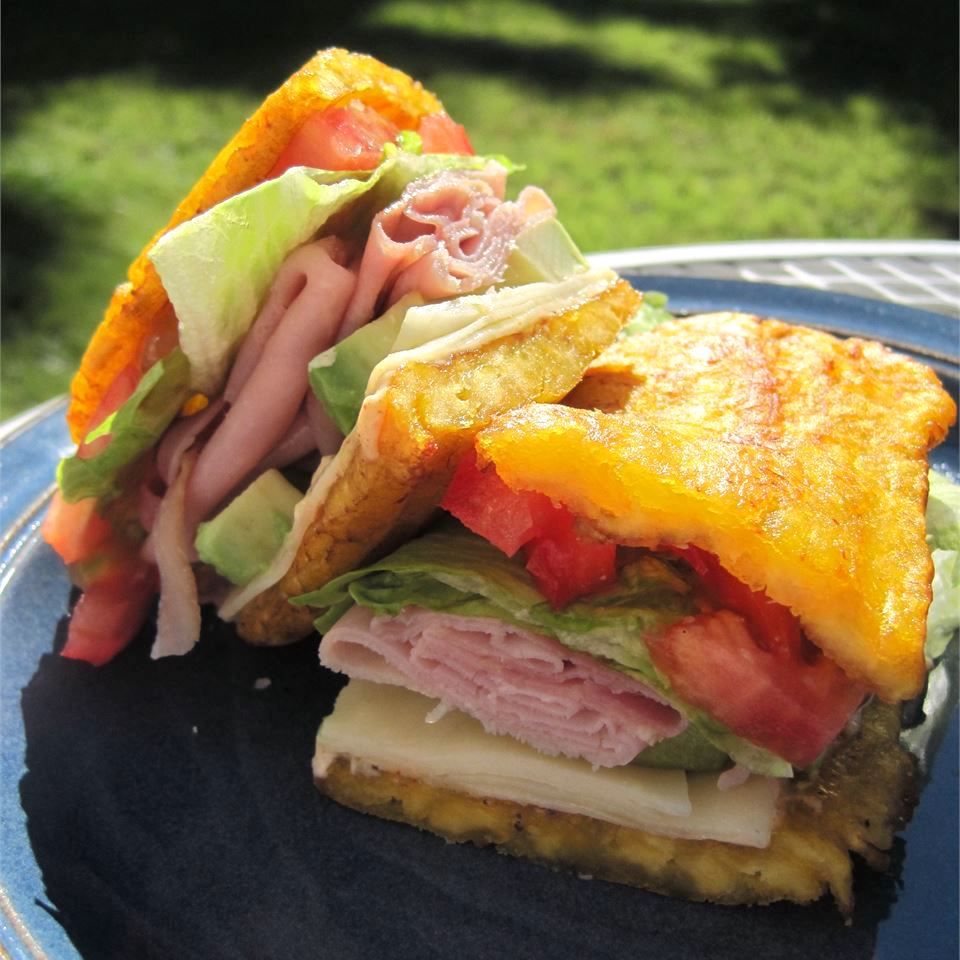
– Vegetables: roasted sweet-potato rounds, grilled eggplant slices, or portobello “caps” create sturdy handheld layers.
– Nuts and Seeds: almond flour flatbreads or chia-seed crackers offer crunch and healthy fats.
Conclusion
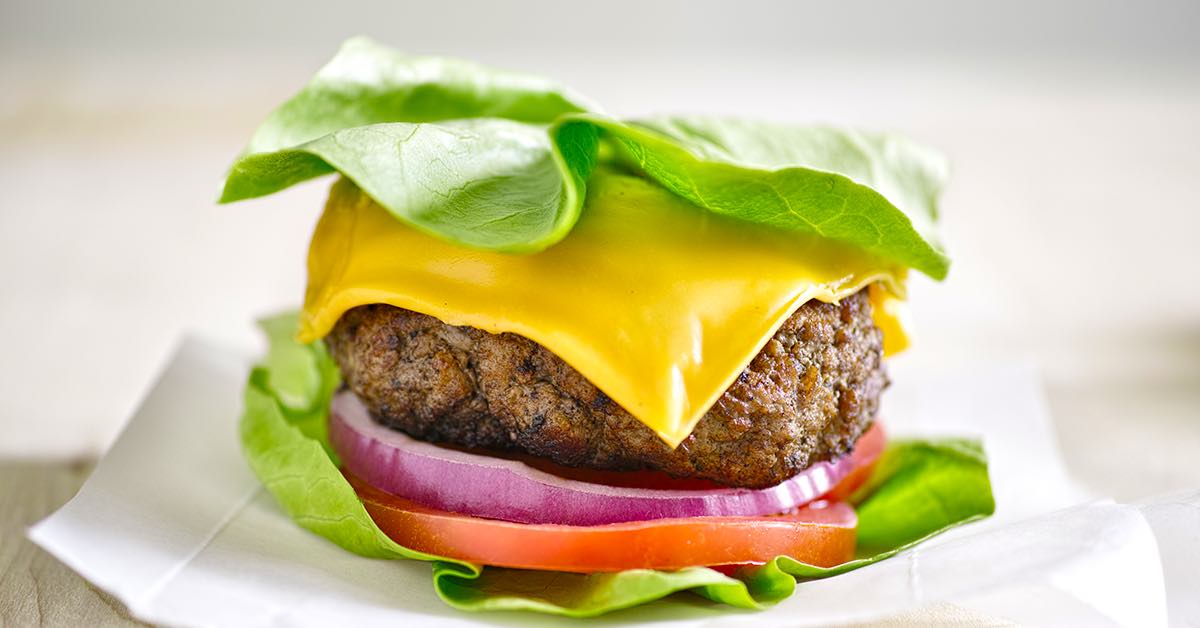
Leaving bread off the menu can simplify calorie control, smooth blood-sugar curves, and support cardiovascular wellness. Success lies in swapping, not dropping: replace the calories with nutrient-dense plants, pulses, and intact grains. Done thoughtfully, bread-free eating feels inclusive, flavorful, and sustainable.
Recommendations and Future Research
To make the transition easier, nutrition educators can share visual guides on building balanced plates without wheat. Culinary programs might highlight global dishes—such as Asian rice bowls or South-American quinoa salads—that already center other staples. Long-term studies comparing varied grain-free patterns will refine advice and could inspire appealing new products that keep flavor and fiber intact.
In the end, skipping bread is less about restriction and more about variety. By leaning on whole foods and creative recipes, anyone can craft satisfying meals that support long-term health.


