

The Art and Science of Culinary Transformation
Introduction
Cooking is an age-old, universal ritual that crosses every border. It feeds the body, sparks creativity, locks in nourishment, and heightens flavor. This piece journeys through the layered universe of culinary transformation, tracing its past, spotlighting its methods, weighing its nutritional effects, and revealing the quiet influence it exerts on mind and community.
The Historical Evolution of Culinary Practice
Historical Perspectives
People began to tame fire for cooking long before recorded history, fundamentally changing diet and culture. Millennia of experimentation followed, weaving the rich tapestry of world cuisines we know today.
Technological Advancements
Each leap in technology reshaped the kitchen: clay vessels allowed gentle simmering, enclosed ovens made baking possible, and modern appliances now speed processes once measured in hours. Every tool expands the cook’s palette of textures and tastes.
Techniques of Culinary Transformation
Heat Transfer Methods
Heat reaches ingredients in three main ways:
– Conduction: direct contact with a hot surface, as when searing in a pan.
– Convection: circulation of hot air or liquid, the engine behind roasting and deep-frying.
– Radiation: invisible waves that penetrate food, the principle of the microwave and glowing coals alike.
Cooking Techniques
Classic approaches still define everyday meals:
– Boiling: submerging food in bubbling water to soften grains and vegetables.
– Baking: surrounding food with steady dry heat for breads and pastries.
– Grilling: exposing ingredients to fierce overhead or underfoot heat for smoky crusts and charred edges.
Nutritional Aspects of Culinary Transformation
Nutrient Retention
Heat can both diminish and unlock nutrients. Gentle steaming may preserve vitamins, while light cooking can break down fibers, releasing minerals otherwise locked away.
Enzyme Activity
Warmth deactivates spoilage enzymes, extending shelf life, yet it can also neutralize helpful digestive enzymes. Balancing time and temperature is key to keeping meals safe and nourishing.
Psychological Impact of Culinary Transformation
Satisfaction and Well-being
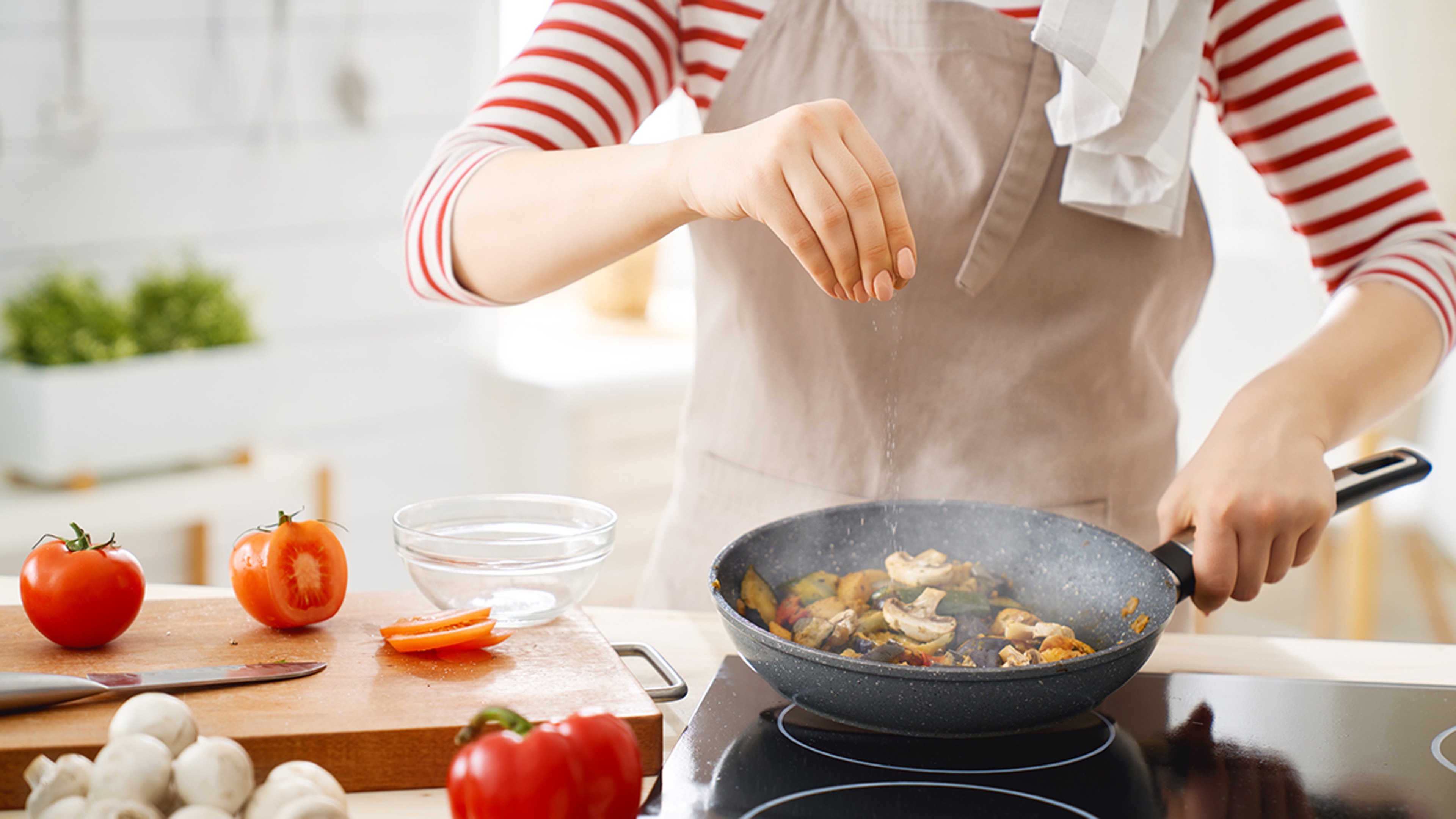
Preparing a meal offers a sense of control and accomplishment. The rhythmic chop of a knife or the aroma of garlic in oil can calm the mind and lift the spirit.
Social Bonding
Kitchens double as gathering places. Stirring a communal pot or passing around warm plates forges connections stronger than any spoken word.
Conclusion
Cooking blends history, science, and human connection into one daily act. By valuing its methods, nutrition, and emotional rewards, we deepen every bite. Future tools and ideas will keep this tradition alive, promising fresh inspiration for cooks yet to come.
Recommendations and Future Research
To keep pushing the craft forward:
– Compare how various techniques affect both nutrient levels and flavor complexity.
– Weave food-science basics into school and community programs so more people cook with confidence.
– Champion low-waste, energy-smart habits that protect the planet while dinner simmers.
Continued curiosity will season our knowledge, enriching meals and well-being for generations.


