

Title: The Art and Science of Cooking: Exploring the World of On Food and Cooking
Introduction:
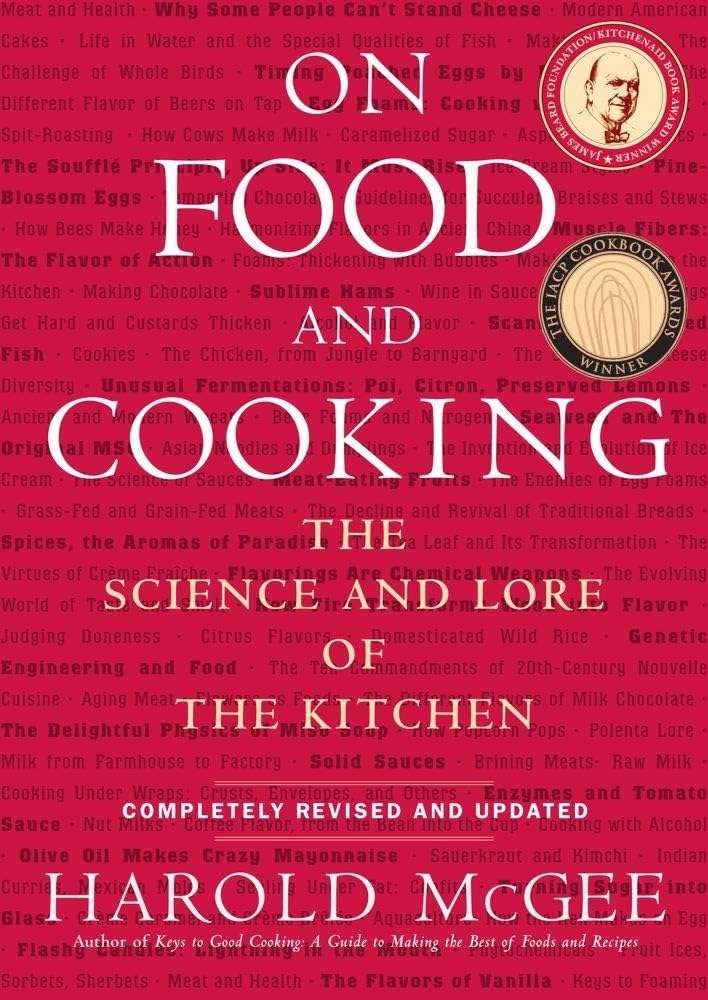
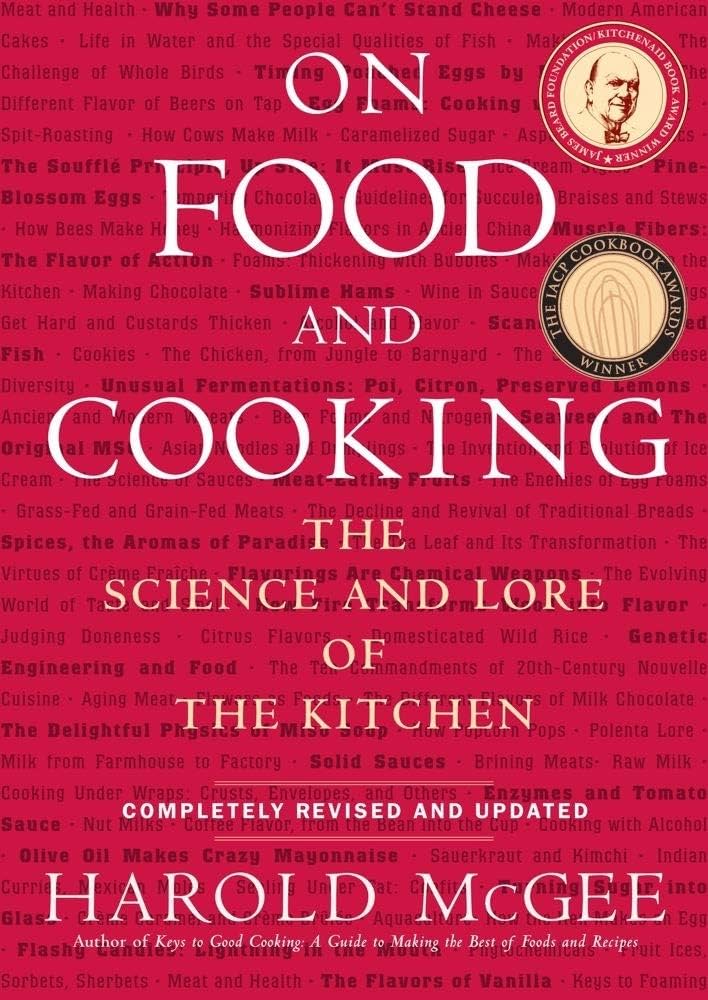
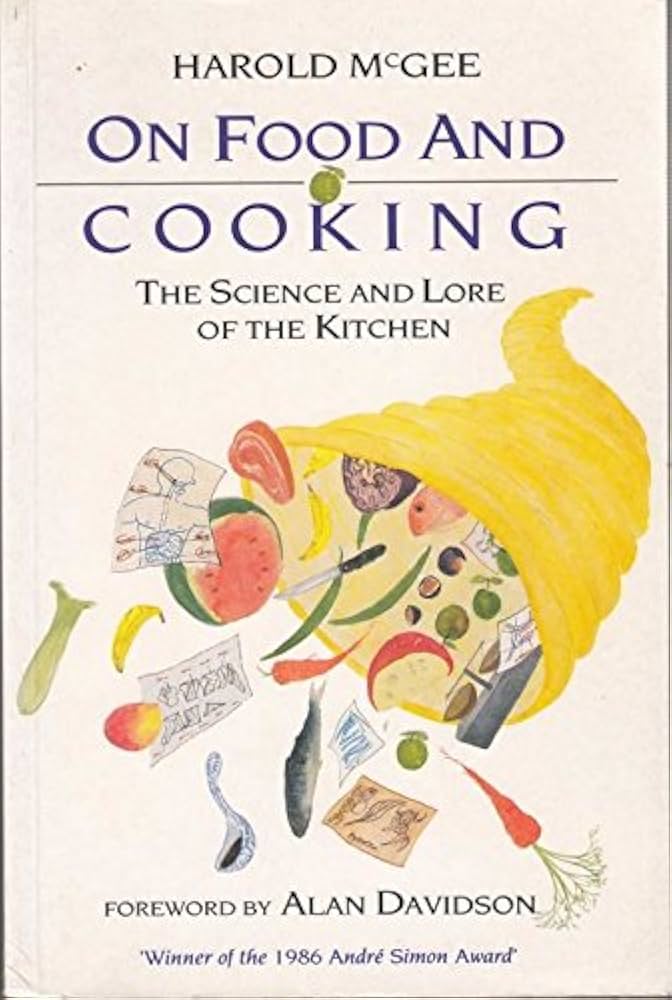
Cooking is a universal language that bridges cultures and generations. It invites creativity, comforts the soul, and sustains the body. Harold McGee’s celebrated work On Food and Cooking journeys through the science and history behind what we eat. This article reflects on the book’s key themes, illustrating why it continues to shape how we think about food.
The Science of Cooking: Understanding the Basics
McGee begins by showing that reliable cooking starts with grasping a few scientific basics. When cooks understand how ingredients behave under different conditions, everyday dishes become more consistent and flavorful.
Enzymes, for instance, quietly transform food. These natural proteins break large molecules into smaller, tastier fragments, tenderizing meat or turning stiff vegetables supple. McGee explains how temperature, time, and pH guide enzyme activity, giving readers practical control over texture.
Heat itself is treated as an ingredient. The book walks through conduction, convection, and radiation, then links each method to familiar reactions such as browning, caramelization, and protein coagulation. Recognizing when and why these reactions occur allows cooks to steer a recipe toward the result they imagine.
The History of Cooking: A Journey Through Time
From prehistoric hearths to modern kitchens, McGee traces how necessity, trade, and invention expanded the global pantry. He shows that every technique or tool we use today carries echoes of earlier eras.
Ancient grilling and clay-pot cookery, for example, still influence contemporary barbecue and slow-food movements. Likewise, the age-old practice of layering spices not only preserved meals before refrigeration but also laid the groundwork for the complex flavor profiles we now celebrate.
Technological milestones—widespread oven use, precision thermometers, global transport of fresh produce—receive equal attention. McGee presents these advances as invitations rather than endpoints, encouraging cooks to blend tradition with innovation.
The Art of Cooking: Creativity and Technique
Science may explain the “why,” but artistry supplies the “wow.” McGee argues that solid technique sets the stage for personal expression. Clear explanations of sautéing, braising, and poaching give readers repeatable methods, while notes on ingredient pairings spark improvisation.
He reminds us that sight, sound, smell, and touch are as important as taste. A perfectly seared crust or the gentle hiss of a simmer tells an experienced cook when a dish is ready, freeing attention for creative flourishes such as unexpected herbs or a last-minute splash of acid.
Risk-taking is framed as part of growth. By documenting both triumphs and kitchen failures, McGee normalizes experimentation and positions mistakes as data rather than defeat.
The Significance of On Food and Cooking
Since its release, the book has become a trusted reference in classrooms and home kitchens alike. Its balanced treatment of chemistry, history, and craft offers something for novices seeking confidence and veterans chasing perfection.
By connecting everyday observations—why onions sweeten as they cook or why egg whites mount into foam—to larger scientific ideas, McGee cultivates curiosity. That curiosity, in turn, fuels a more thoughtful, sustainable, and joyful approach to food.
Conclusion:
On Food and Cooking endures because it treats cuisine as both a cultural treasure and a living science. Whether you flip pages for technical answers or quiet inspiration, the book invites you to ask better questions and taste the answers for yourself. In a world of ever-changing food trends, its blend of rigor and wonder remains a steady guide for anyone who steps up to the stove.


