

The Significance of Home-Cooked Meals in Modern Society
Introduction
In a time when take-out and ready-to-eat options fill every street corner, the quiet ritual of cooking at home still holds remarkable power. Beyond the sizzle of a pan lies a range of benefits that touch nutrition, relationships, and personal well-being. This article explores why reclaiming the kitchen matters more than ever, weaving together insights from nutrition science, sociology, and everyday experience.
Nutritional Benefits of Home-Cooked Meals
Nutritional Value and Control
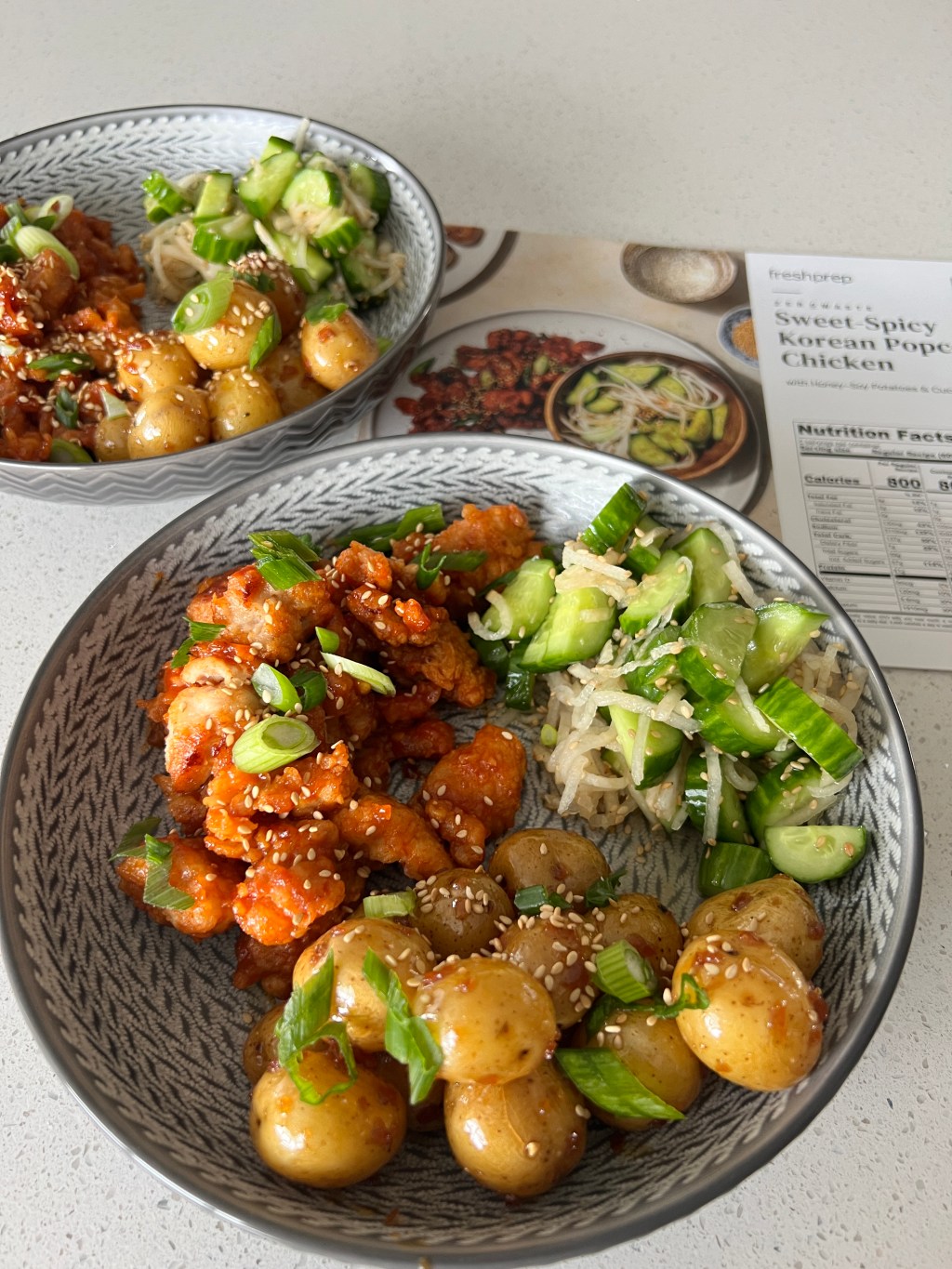
Preparing meals at home places you in charge of every ingredient. Studies repeatedly show that people who cook for themselves serve more vegetables, fruits, and whole grains on average than those who rely on commercial fare. Controlling portion size and seasoning also makes it easier to limit excess sugar, salt, and saturated fat without sacrificing flavor.

Quality of Ingredients
When you shop for yourself, you can choose crisp produce, whole-grain staples, and lean proteins that meet your standards. Grilling, steaming, or roasting at home typically adds less fat than common restaurant techniques, resulting in lighter, nutrient-dense plates that still satisfy the palate.
Social Implications of Home-Cooked Meals
Family Bonding and Communication
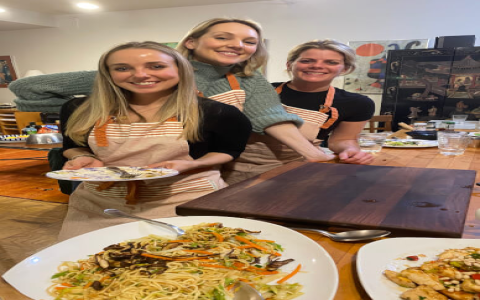
Shared cooking tasks invite conversation: chopping side-by-side, tasting sauce together, setting the table as a team. These small collaborations foster open dialogue, strengthen emotional ties, and create dependable moments of connection that busy schedules often crowd out.
Cultural Preservation
Family recipes carry stories. Each time a traditional bread is kneaded or a holiday stew is simmered, generations speak to one another. Keeping these dishes alive nurtures identity and introduces younger household members to the flavors and values of their heritage.
Healthier Lifestyle through Home-Cooked Meals

Weight Management
Consistently eating home-prepared food is linked to healthier body weight. Meals made from scratch usually contain fewer hidden calories than processed or restaurant equivalents, making it simpler to balance energy intake with daily activity.
Reduction in Chronic Diseases
A diet built around balanced, home-cooked plates lowers the risk of common chronic illnesses. Emphasizing produce, legumes, whole grains, and healthy fats supports heart health, stabilizes blood sugar, and helps maintain overall metabolic fitness.
Conclusion
Home cooking is far more than a nostalgic pastime; it is a practical tool for improving nutrition, deepening relationships, and safeguarding long-term health. By prioritizing time in the kitchen, individuals invest simultaneously in personal wellness and the social fabric of home life.
Recommendations and Future Research
To further promote the importance of home-cooked meals, it is essential to:
1. Educate individuals on the nutritional benefits of home-cooked meals.
2. Encourage the use of fresh, locally sourced ingredients.
3. Support policies that make it easier for individuals to cook at home, such as providing cooking classes and promoting healthy eating habits in schools.
Future research should focus on:
1. The long-term effects of home-cooked meals on health and well-being.
2. The role of technology in making home-cooked meals more accessible and convenient.
3. The impact of cultural factors on the adoption of home-cooked meals.
By addressing these areas, we can continue to emphasize the significance of home-cooked meals in modern society and encourage individuals to embrace this healthy and rewarding practice.

