
Meals in the US: A Culinary Journey Through Diversity and Tradition
Introduction
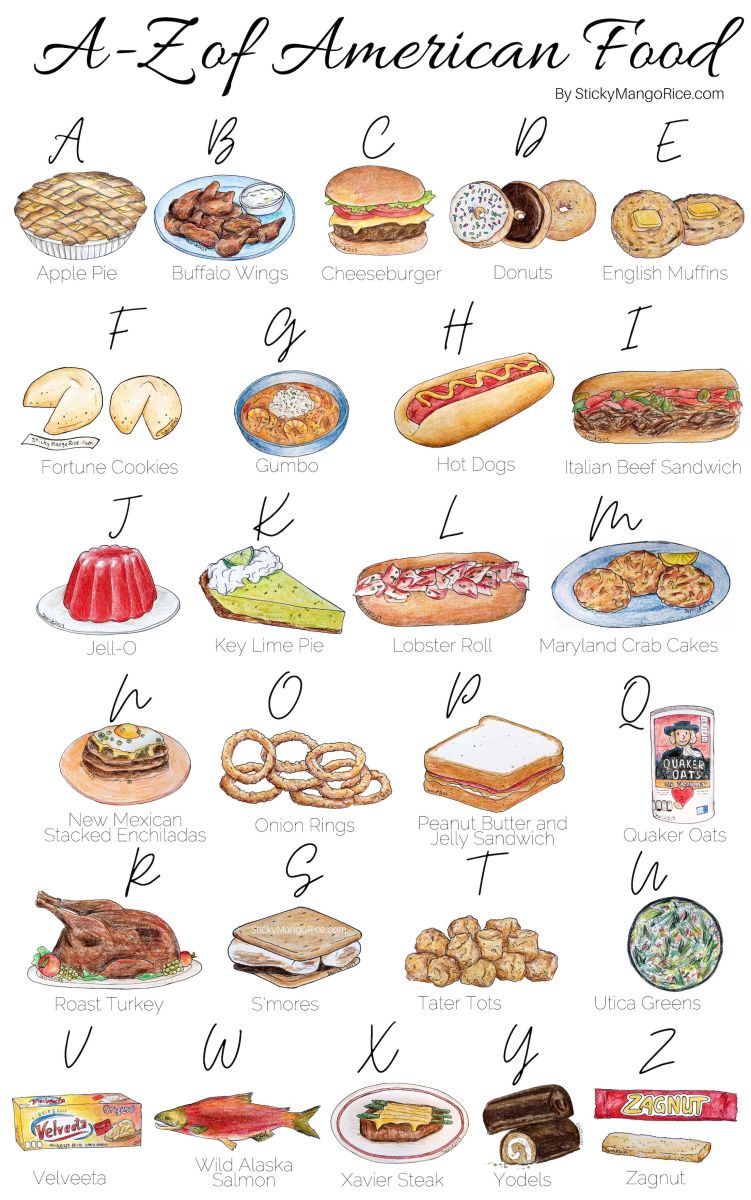
The United States, often described as a mosaic of cultures, presents a vibrant spectrum of culinary customs that mirror its varied population. Meals across the nation are more than mere nourishment; they are festive gatherings of flavor, echoes of history, and signs of an ever-changing food scene. This article explores the many facets of American dining, tracing roots, celebrating influences, and highlighting trends that continue to reshape the table.
The Evolution of American Cuisine
Early Influences
Native communities first cultivated the land, gifting future generations staples such as corn, beans, and squash. European settlers later added their own techniques and tastes, weaving new threads into the emerging culinary fabric.
The Great Migration
Successive waves of arrivals throughout the nineteenth and twentieth centuries carried cherished recipes from distant homelands. Italian pastas, German sausages, Irish stews, and Chinese stir-fries gradually found familiar places in neighborhood eateries and family kitchens alike.
Regional Cuisine
The South
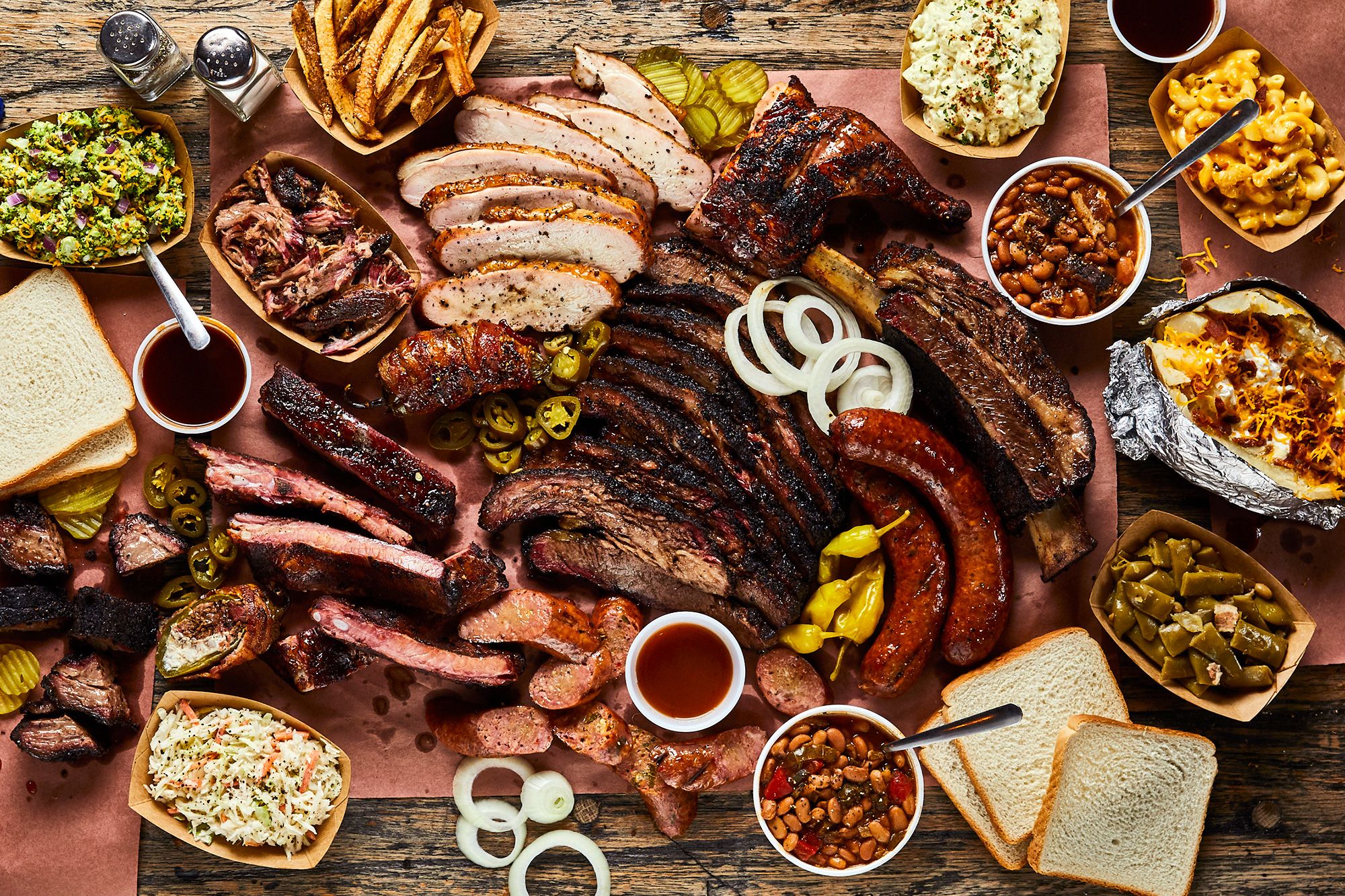
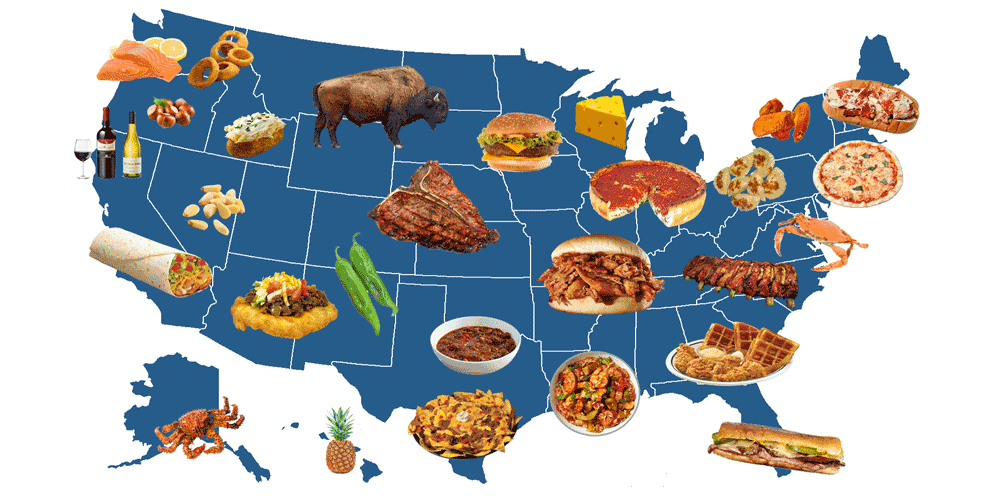
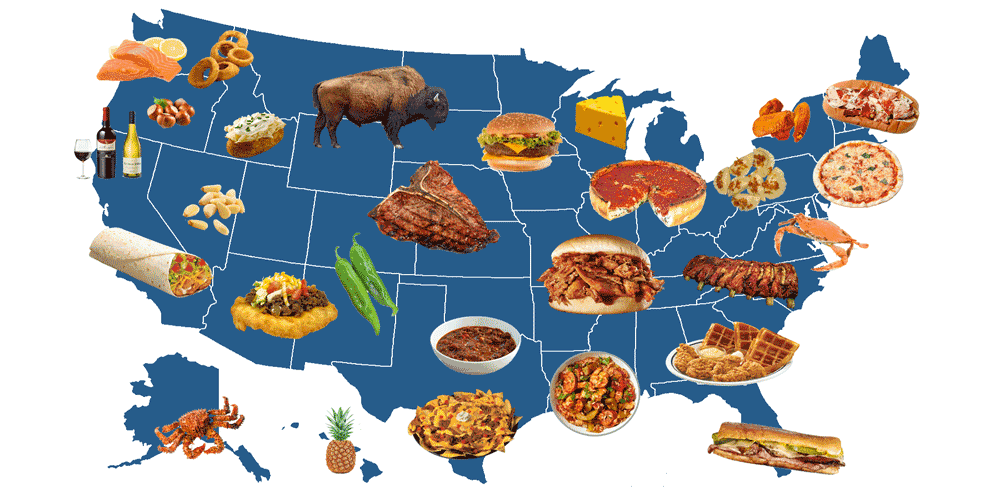
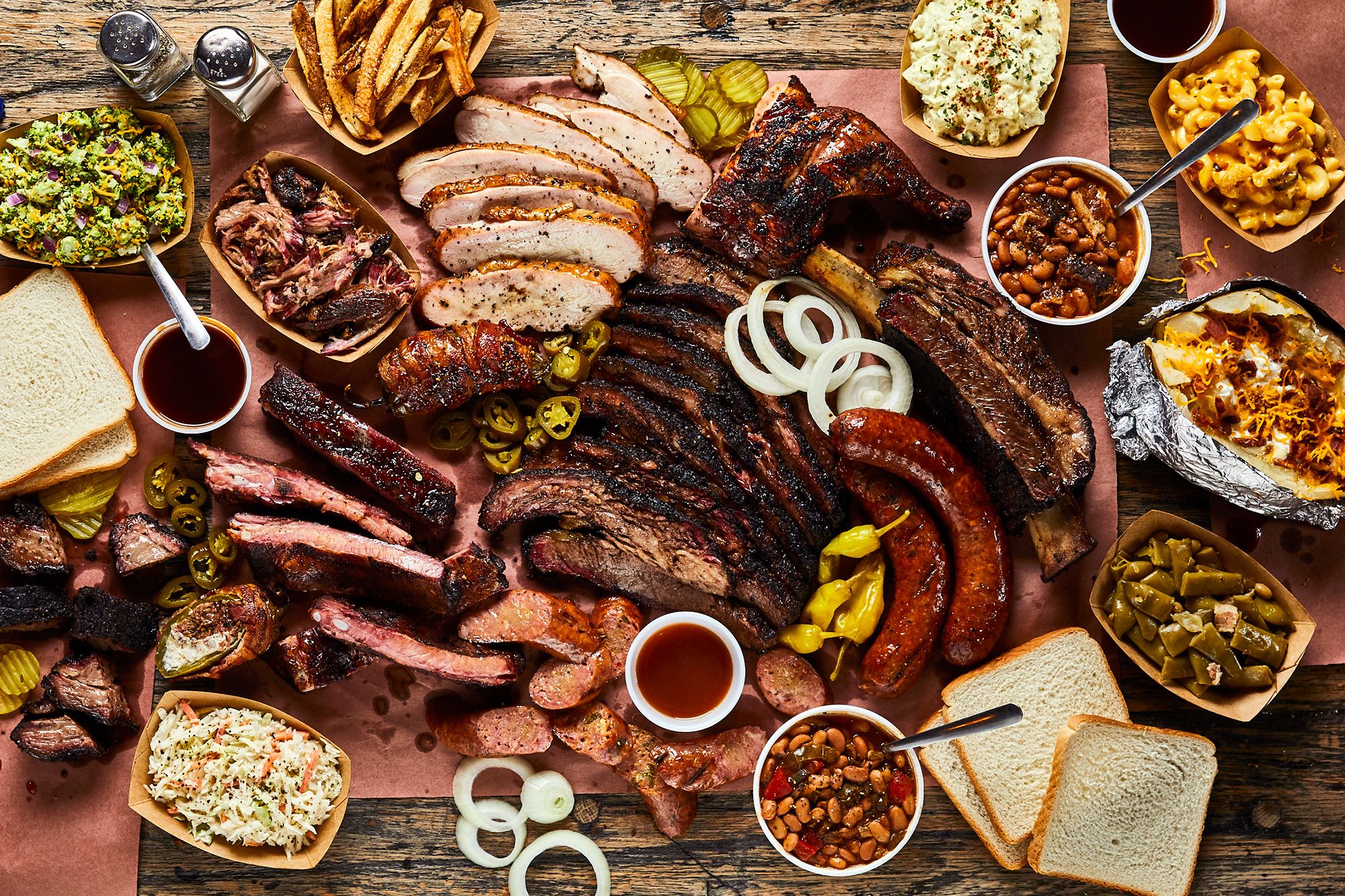
Warm climates and fertile soils fostered dishes built on comfort and depth—think slow-cooked greens, smoky barbecue, and creamy grits—often seasoned with stories passed down through generations.
The Midwest
Known as the nation’s breadbasket, this region favors hearty fare that fuels long days: casseroles, tender roasts, and fruit pies that make the most of local harvests.
The West
From oceanfront grills to mountain ranches, western tables balance fresh seafood, fire-kissed steaks, and produce straight from desert valleys, reflecting both coastal breezes and frontier spirit.
The Northeast
Crisp autumns and busy harbors inspire chowders, baked bean suppers, and iconic street slices that capture the energy of historic port cities.
Fast Food and Chain Restaurants
The Rise of Fast Food
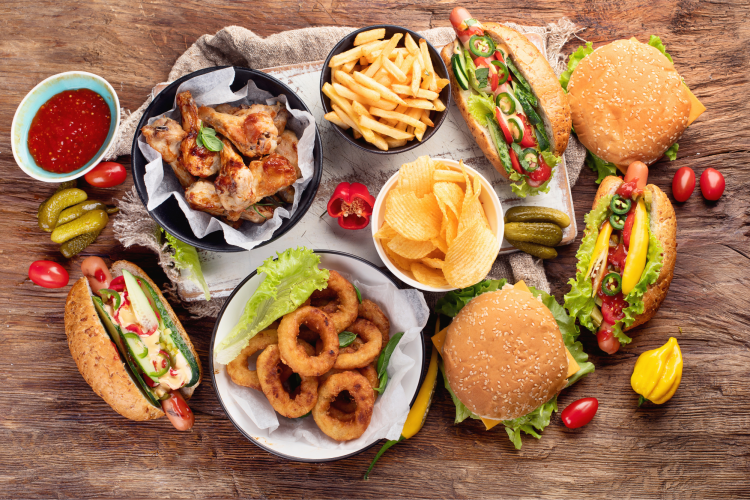
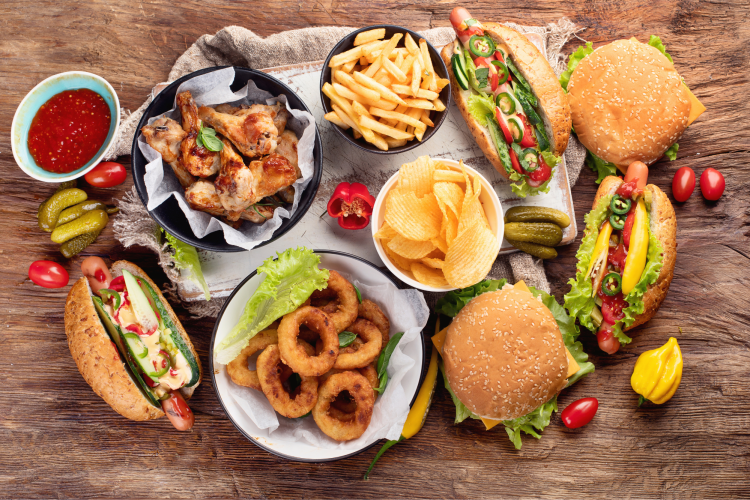
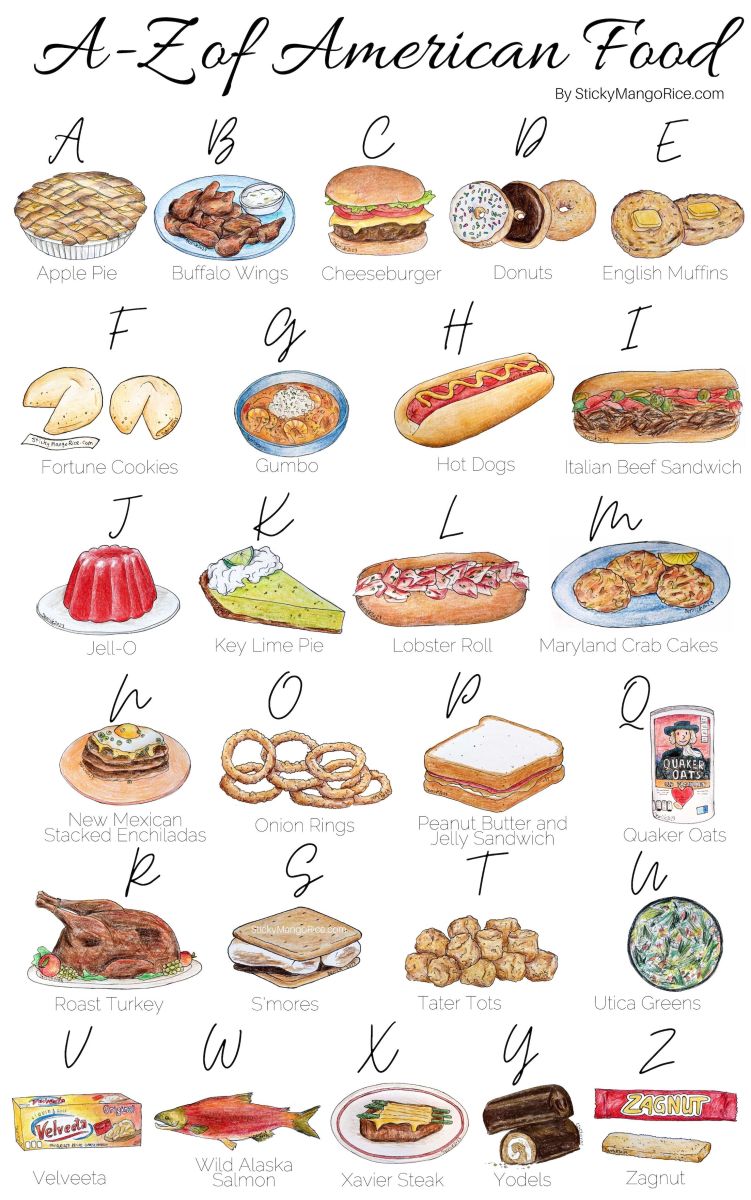
Post-war highways and growing suburbs gave birth to quick-service counters, offering speedy meals for travelers and workers on the go. Drive-ins and paper-wrapped burgers soon became symbols of modern convenience.
The Impact on American Diet
While grab-and-go options saved time, they also sparked conversations about balance and well-being. In response, chefs and consumers alike are revisiting menus, seeking fresher ingredients and mindful portions.
Culinary Trends
Farm-to-Table Movement
Chefs are partnering with nearby growers to showcase what ripens nearby, turning seasonal produce into vibrant plates that tell the story of the land.
Health and Wellness
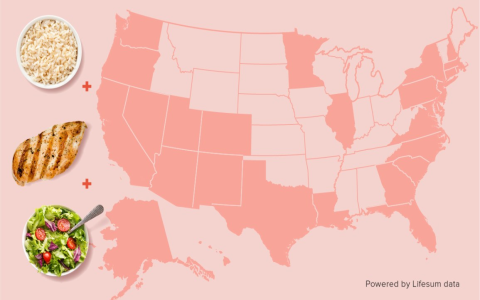
Plant-forward bowls, whole-grain breads, and lighter cooking oils now sit comfortably beside classic favorites, reflecting a nationwide curiosity about feeling good through food.
Globalization
Tacos share menu space with ramen, while kimchi brightens hot dogs, illustrating how borders blur when curiosity meets appetite.
Conclusion
American meals continue to evolve, honoring ancestral recipes while welcoming tomorrow’s innovations. Each bite carries a whisper of the past and a hint of the future, inviting everyone to pull up a chair and join the ongoing feast.
Recommendations and Future Research
To support a thriving, sustainable food culture, consider the following:
1. Introduce hands-on cooking and nutrition lessons in schools to build lifelong skills.
2. Champion neighborhood markets and growers who practice responsible stewardship of soil and water.
3. Keep examining how quick-service fare affects community well-being, guiding balanced choices.
Future research could explore:
1. How digital platforms might personalize healthy meal planning.
2. Ways shifting weather patterns may influence crop selection and menu design.
3. The power of shared meals to strengthen social bonds across diverse groups.