

Recipe Ideas from Ingredients: A Culinary Exploration
Introduction
Cooking is a universal art that turns everyday items into meals that comfort and inspire. By looking at what sits in the pantry or fridge, anyone can invent dishes that feel both familiar and new. This article celebrates the practice of building recipes around ingredients, explains why it matters, and offers simple ideas to try at home.
The Significance of Recipe Ideas from Ingredients
Cultural Diversity

Every region gives its own voice to the plate. Mediterranean cooks reach for olive oil and citrus, while East Asian kitchens often highlight soy and ginger. These choices tell stories of climate, history, and tradition, allowing diners to travel the world without leaving the table.
Nutritional Value
Starting with fresh produce, whole grains, and lean proteins makes it easier to serve balanced meals. A colorful mix on the cutting board usually translates to a wide range of vitamins and minerals on the plate, supporting energy and well-being.
Creativity and Innovation
When cooks let the ingredient lead, unexpected pairings emerge. A ripe fruit can brighten a savory stew, and a handful of nuts can turn a simple salad into a memorable course. This playful mindset keeps everyday cooking exciting.

Recipe Ideas from Ingredients
1. Avocado and Tomato Salad
Cube creamy avocado and juicy tomato, add thin rings of red onion, and sprinkle chopped cilantro. A quick dressing of lime juice, olive oil, salt, and pepper pulls the flavors together. Serve chilled as a light lunch or alongside grilled fare.
2. Spaghetti with Garlic, Olive Oil, and Chili
Cook pasta until just firm, then sauté sliced garlic in good olive oil until fragrant. Toss in a pinch of chili flakes, coat the noodles, and finish with grated hard cheese. Dinner is ready in the time it takes to set the table.
3. Teriyaki Chicken
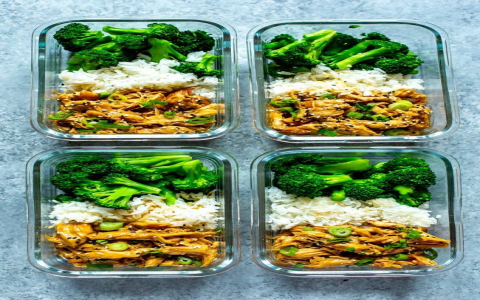
Blend soy sauce, a touch of sweetener, grated ginger, and a splash of rice wine. Marinate chicken pieces briefly, then roast or grill until glossy. Pair with steamed rice and quick-seared greens for a weeknight favorite.
4. Quinoa Stuffed Bell Peppers
Halve and seed colorful peppers, then fill them with cooked quinoa, black beans, corn, and diced tomatoes. A light sprinkle of cheese on top melts under the oven heat, creating a comforting, nutrient-packed entrée.
The Impact of Ingredients on the Final Dish
Flavor Profiles
Herbs, spices, and aromatics act like seasoning dials. A pinch of warm spice can soften acidity, while fresh herbs lift heavier elements, allowing the cook to fine-tune each bite.
Texture and Appearance
Crisp seeds contrast with silky purées, and vibrant vegetables paint the plate. These contrasts turn eating into a multisensory experience long before the first taste.
Nutritional Content

Dark leafy greens contribute folate and fiber, and legumes add plant protein. By rotating ingredients, meals stay balanced without relying on a single “superfood.”
Conclusion
Building recipes around ingredients keeps cooking flexible, wholesome, and endlessly creative. Whether the basket holds a single vegetable or an array of global staples, the possibilities remain deliciously open.
Recommendations and Future Research
To keep the momentum alive, home cooks and professionals can:

1. Swap stories and staples with friends from different backgrounds, blending techniques for fresh fusion dishes.
2. Stay curious about seasonal produce and its health benefits, letting science guide the menu toward greater balance.
3. Choose local and responsibly grown items when possible, supporting both the planet and the community.
By continuing to ask, “What can I make with what I have?” the kitchen stays a place of daily discovery and shared joy.


