


The Impact of Food Websites on Modern Dining Experiences
In the digital era, the way we eat out has been reshaped by online food platforms. These sites now shape everything from what we order to how we behave at the table. This article explores how food websites influence tastes, spark new trends, and change the very act of dining.
The Evolution of Food Websites
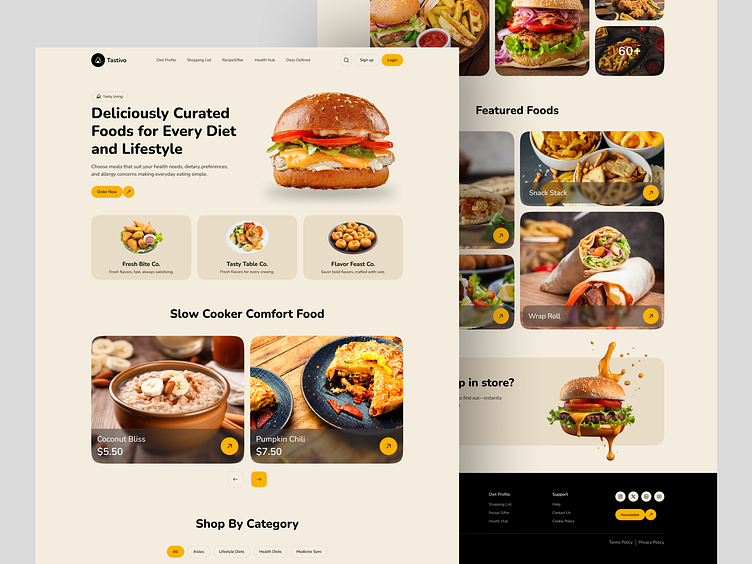
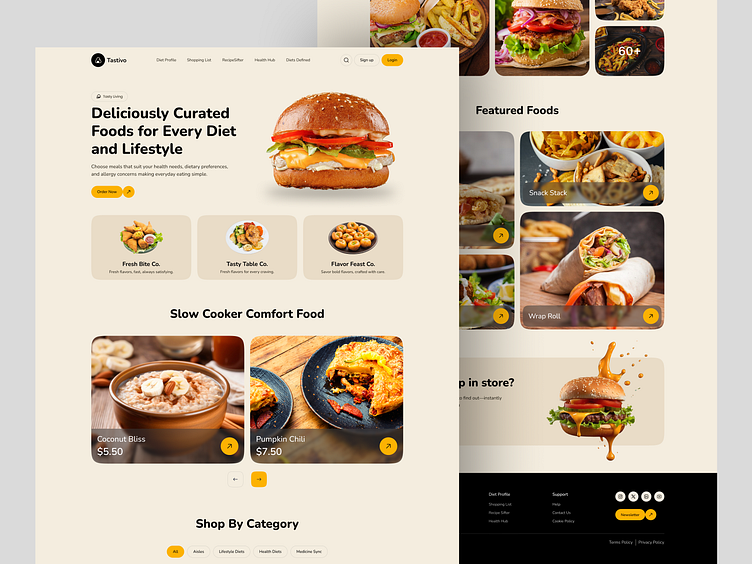
What began as simple restaurant lists has grown into rich ecosystems of menus, photos, and real-time chat. Mobile apps and social feeds turned static pages into lively communities where home cooks, travelers, and chefs swap tips, photos, and stories around the clock.
Shaping Consumer Preferences
By spotlighting dishes from street snacks to haute cuisine, these portals nudge diners toward unfamiliar flavors. Star ratings and short reviews act as gentle guides, helping people choose venues that match mood, budget, or dietary need without second-guessing.
Personalized Recommendations
Smart engines track favorite cuisines and past visits, then suggest new spots that feel tailor-made. The result is a shorter search, a wider palate, and pleasant surprises that keep users coming back.
Driving Culinary Trends
A single viral post can turn an unknown ingredient into tomorrow’s must-try special. Chefs watch these signals closely, adapting menus to ride the wave while it lasts and keeping the dining scene fresh.
Social Media Influence
Photo-first networks amplify trends at lightning speed. Colorful bowls, rainbow drinks, or sizzling skillets shared by thousands can push a dish from niche to mainstream in days, prompting eateries to add their own twist.
Redefining the Dining Experience
Beyond discovery, websites now handle reservations, pre-orders, and even live-streamed tastings, smoothing every step from couch to table.
Online Reservations and Waitlists
Real-time booking widgets end the guesswork of busy nights. Diners lock in a slot within seconds, while restaurants balance covers and reduce no-shows.
Virtual Tasting Events
When dining rooms went quiet, kitchens went online. Cooks and sommeliers now host guided tastings over video, mailing ingredient kits in advance so guests can sip, sear, and socialize from home.
Challenges and Concerns
Upsides aside, inflated ratings and coordinated praise can distort choice. Meanwhile, the surge in delivery raises questions about food quality and fair fees for small restaurants.
Conclusion
Food websites have become silent companions at every meal, steering decisions and sparking creativity. As the tech matures, balancing authenticity with convenience will decide how much trust diners place in the next tap or swipe.
Recommendations and Future Research
To keep the ecosystem healthy, consider these steps:
1. Tighten review checks to deter inflated scores.
2. Publish clear delivery terms so customers know what arrives and when.
3. Support studies on how digital cues shape long-term eating habits.
Future work could explore:
1. The emotional pull of curated food imagery on appetite and mood.
2. How platforms can spotlight low-waste, plant-forward choices.
3. The cross-cultural fusion sparked by global online menus.
By tackling these issues, food websites can remain trusted allies in the shared joy of eating well.


