
What’s a Cuisine: Exploring the Art and Science of Culinary Cultures
Introduction
Cuisine is more than a set of recipes; it is the edible story of a place. From the choice of staple grain to the shape of a serving bowl, every detail echoes geography, history, and shared memory. This article journeys through the forces that mold a cuisine, revealing how landscapes, beliefs, and chance encounters create the flavors we later call tradition.
Defining Cuisine
What is Cuisine?

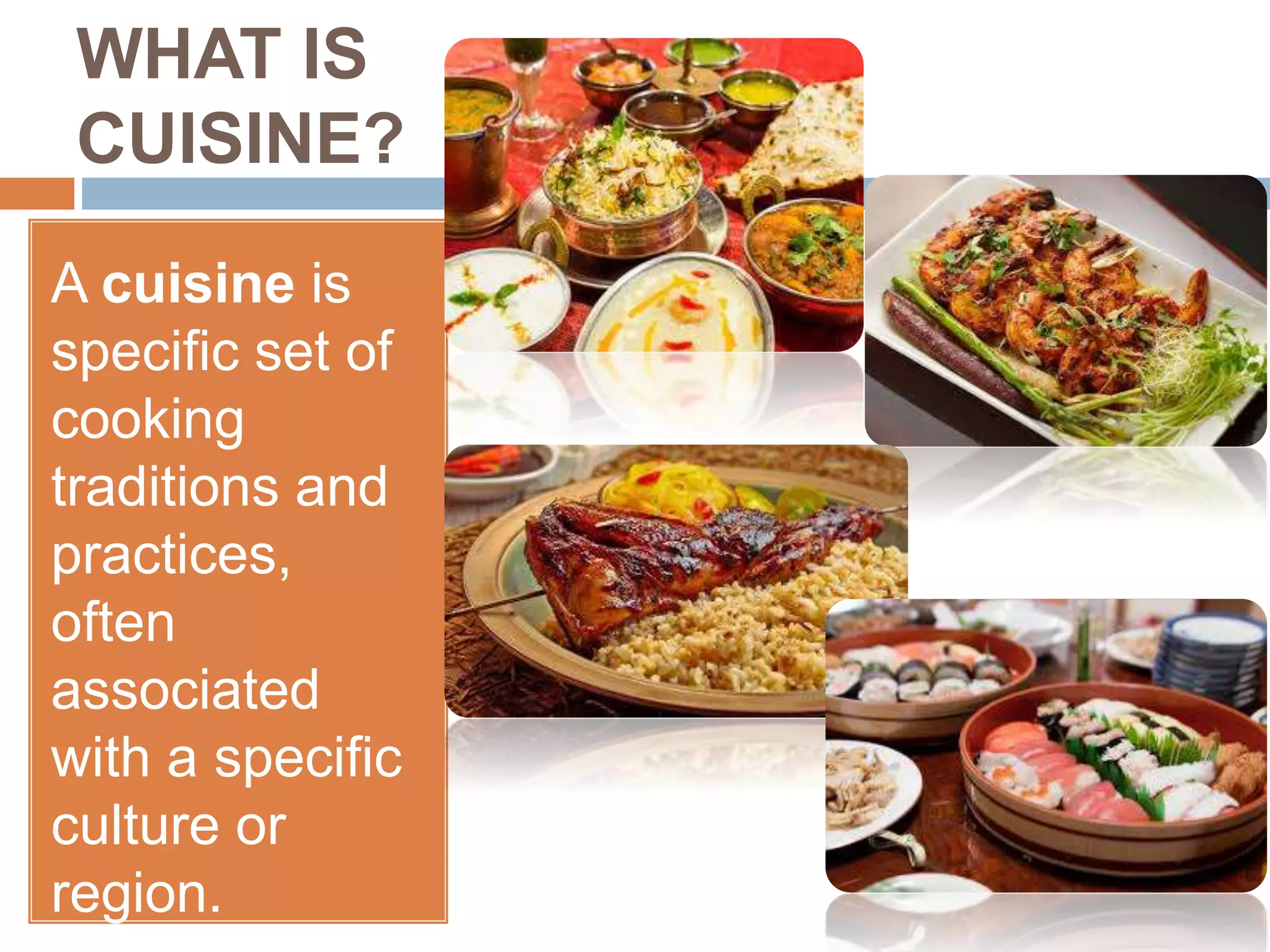
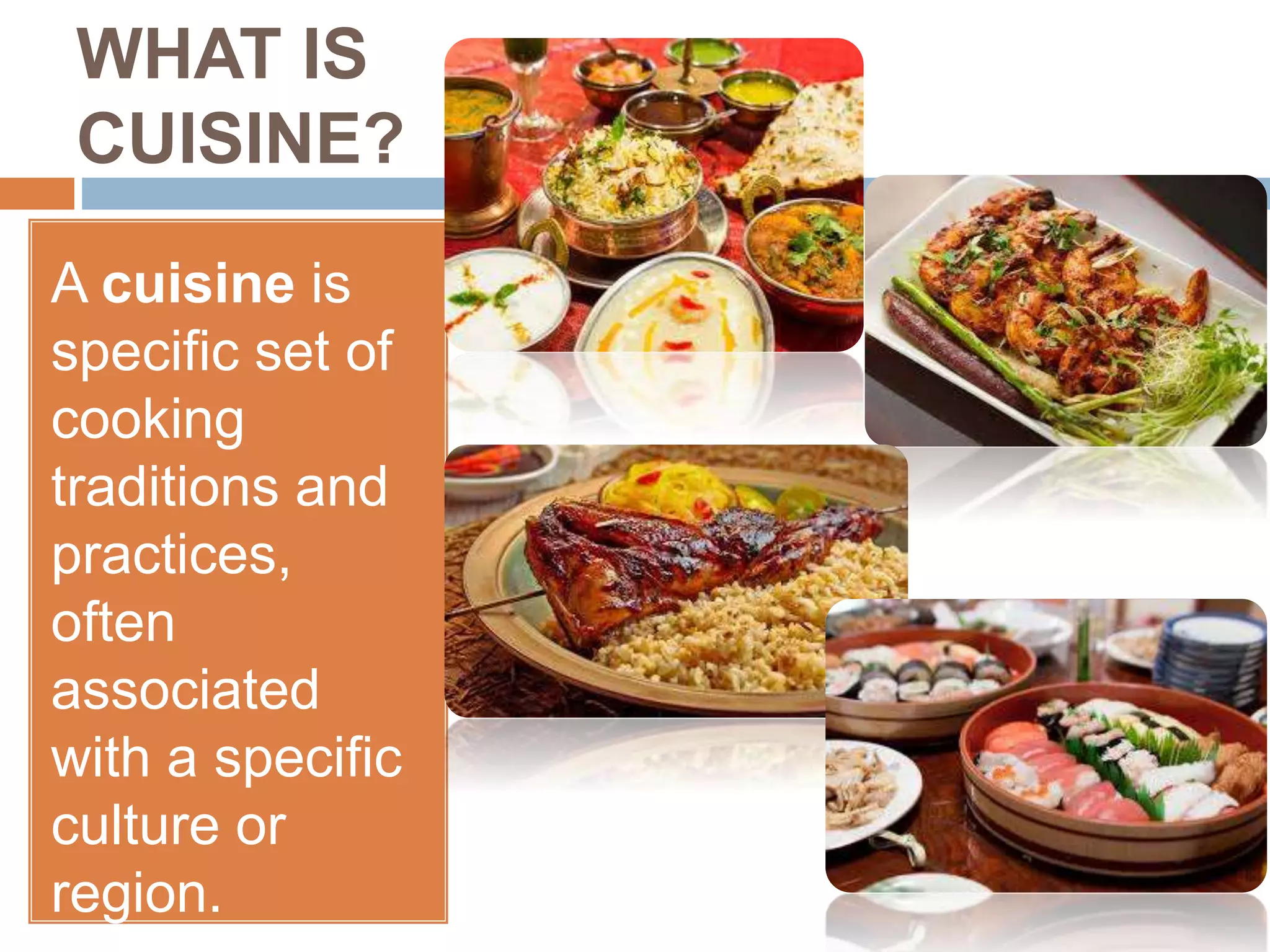
Cuisine is the collective style of cooking that identifies a community. It lives in ingredients, techniques, and rituals around the table, expressing how people relate to soil, season, and one another.
The Elements of Cuisine
A cuisine is built from:
– Ingredients: What the land and sea freely offer—roots, fruits, herbs, and proteins—shapes the pantry.
– Techniques: Smoke, steam, sear, or ferment; each method stamps flavor and texture.
– Flavor Principles: Signature marriages of sweet, sour, salty, bitter, and umami act as a culinary fingerprint.
– Cultural Crossroads: Migrations, trade winds, and ancient roads carry spices and stories that rewrite local pots.
– Foodways: Festive fasts, daily bowls, and celebratory roasts reveal values invisible on maps.
The Origins of Cuisine
Historical Context
When early growers stored grain and herders milked their first goats, meals stopped being mere fuel and became heritage. Settled life allowed flavors to deepen, passing from hearth to hearth until they turned into cuisine.
Evolution of Cuisine
Cuisines have never stood still:
– Classical Foundations: Pharaohs, philosophers, and senators alike documented sauces, breads, and feasts that still echo today.
– Medieval Exchange: Caravans and caravels swapped spices, sugar, and ideas, weaving distant continents onto one plate.
– Modern Mobility: Railways, recipe cards, and later the internet accelerated the journey of dishes across oceans and time zones.
Influences on Cuisine
Geographical Factors
Latitude and altitude write the menu. Sun-drenched coasts perfume stews with citrus leaves, while high plains stretch wheat into noodles or flatbreads. Rivers, deserts, and forests each dictate their own edible dialect.
Cultural and Historical Influences

Beliefs bless or ban certain foods; merchant fleets introduce new crops; diasporas carry seeds in coat pockets, planting tastes that sprout far from home. Every arrival re-seasons the pot.
The Unique Qualities of Cuisine
Regional Identity
A hometown dish can awaken memory faster than any photograph; the scent of a childhood stew signals belonging in a single breath.
Diversity and Innovation
Tradition and creativity coexist. Yesterday’s clay oven becomes today’s food-truck fixture, proving that respect and reinvention can share the same cutting board.
Health and Nutrition
Many ancestral diets intuitively balance plants, grains, and proteins, offering time-tested models for nourishment.
Case Studies
Italian Cuisine
From alpine polenta to coastal citrus, regional pride appears in minimalist sauces that let sun-ripened produce speak first.
Japanese Cuisine
Seasonal awareness guides each slice of sashimi and each bowl of miso, turning simplicity into an art of restraint and respect.
Conclusion
Cuisine is a living mosaic of earth, effort, and imagination. By tasting thoughtfully, we read landscapes and lifetimes in every bite, widening our own story with each new flavor.
Recommendations and Future Research
To keep culinary heritage vibrant:
– Teach It: Support cooking classes that pair elders with novices, keeping gestures and ratios alive.
– Share It: Host potlucks and pop-ups where passports are optional but curiosity is required.
– Sustain It: Choose growers who protect soil and sea, ensuring tomorrow’s kitchens inherit abundance.

Scholars might next explore:
– How shifting weather patterns redirect ingredient maps.
– Digital archives that record aromas, sounds, and textures before they fade.
– The ripple effects of food-centered travel on local economies and identities.
By savoring the layers within every cuisine, we celebrate both the planet that feeds us and the creativity that defines us.