


Title: Where to Get Recipes: A Comprehensive Guide to Culinary Inspiration
Introduction:
Culinary inspiration is the spark that keeps every kitchen lively. Whether you cook for a living or simply enjoy preparing meals at home, the right recipe can turn ordinary ingredients into something memorable. This guide walks you through the most reliable places to discover recipes, from time-tested books to modern digital hubs, while highlighting why good instructions matter and how they can lift your everyday cooking.
Importance of Recipes
Think of a recipe as a trusted map: it shows the route, notes the landmarks, and helps you arrive at the same delicious destination every time. Key advantages include:
1. Consistency: Clear measurements and steps let you recreate the same flavor and texture whenever you wish.
2. Efficiency: A well-written recipe keeps you moving, reducing guesswork and preventing costly mistakes.
3. Creativity: Once you understand the framework, you can swap ingredients or techniques and invent dishes that feel entirely your own.
Traditional Cookbooks
Printed cookbooks remain beloved for good reason. Browsing pages seasoned with splatters and notes connects you to generations of cooks. Their strengths include:
1. Reliability: Editors and test kitchens refine each recipe before it reaches your shelf.
2. Breadth: A single volume can span breakfast staples, celebratory mains, and delicate desserts.
3. Legacy: Cookbooks safeguard regional methods and family stories that might otherwise fade away.
Online Platforms
The web opens a global pantry of ideas available day or night. Popular avenues include:
1. Food Blogs: Individual writers share personal anecdotes, step-by-step photos, and practical tweaks that make recipes feel friendly.
2. Recipe Websites: Large archives let you filter by ingredient, diet, or cooking time, turning last-minute cravings into doable meals.
3. Social Media: Visual platforms overflow with quick clips and vibrant images that spark instant inspiration; save or share favorites to build your own digital cookbook.
Cookbooks vs. Online Platforms
Each format serves a slightly different cook. Consider these contrasts:
1. Accessibility: Phones and tablets deliver recipes anywhere, while books require physical space yet remain blissfully free of pop-up ads.
2. Updates: Online content can be refreshed overnight; printed pages stay frozen at the moment of publication, which some find comforting.
3. Cost: Libraries and second-hand shops make cookbooks affordable, and many reputable websites offer quality recipes at no charge, so you can mix both worlds without strain.
Mobile Apps
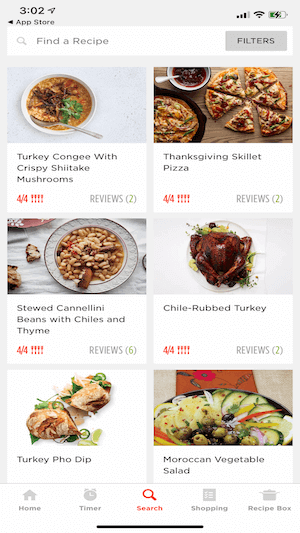
Apps shrink an entire cookbook shelf into your pocket. Handy features include:
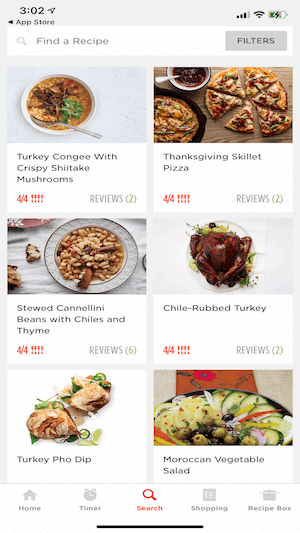
1. Smart Search: Filter by what is already in your fridge to cut waste and save trips to the store.
2. Video Tutorials: Short clips demonstrate knife skills or timing in real time, ideal for visual learners.
3. Reviews: Community ratings flag potential pitfalls and suggest tasty twists vetted by home cooks around the globe.
Community and Collaboration
Food tastes better when shared, and so does knowledge. Expand your repertoire through:
1. Online Forums: Ask questions, trade secrets, and troubleshoot dishes alongside enthusiasts who love talking about food as much as you do.

2. Cooking Classes: Local workshops or virtual lessons introduce new cuisines under the guidance of experienced instructors.
3. Neighborhood Swaps: Organize potlucks or ingredient exchanges to sample family specialties and collect handwritten cards full of personal notes.
Conclusion
Recipes are everywhere once you start looking—in dog-eared pages, glowing screens, and the stories friends tell while chopping onions. Explore widely, keep the sources that speak to your palate, and remember that every recipe is a starting point. Adjust, taste, and enjoy the journey; the kitchen rewards curiosity with every bite.

