
Title: The Art and Science of Recipe Book Images: Enhancing Culinary Experience
Introduction:
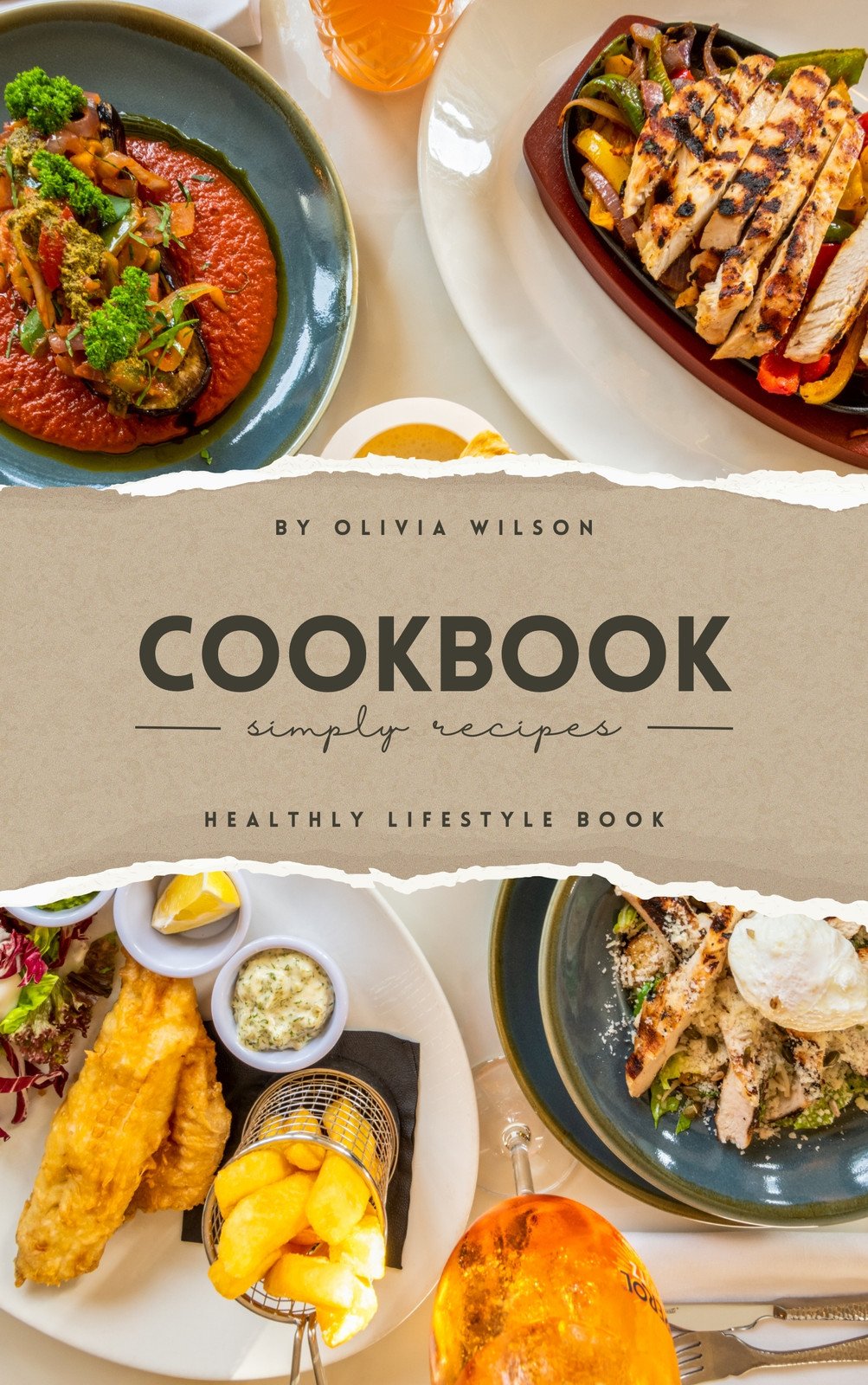
Recipe books have long guided home cooks and professionals, yet their photographs now shape cravings before a single ingredient is measured. This article looks at why those pictures matter, how they influence modern kitchens, and where the craft is heading next.
The Evolution of Recipe Book Images
Early cookbooks relied on sparse woodcuts that hinted at shape more than color. As printing improved, hand-tinted plates introduced gentle hues, letting readers imagine a dish’s final glow. By the mid-century, full-color photography arrived, turning glossy pages into miniature windows of appetite.
Digital cameras and post-production software later pushed clarity further, capturing steam, texture, and the exact golden edge of a pie. Today, a single frame can suggest aroma and sound, inviting the viewer to mentally taste the recipe.
The Impact of Recipe Book Images on Culinary Enthusiasts
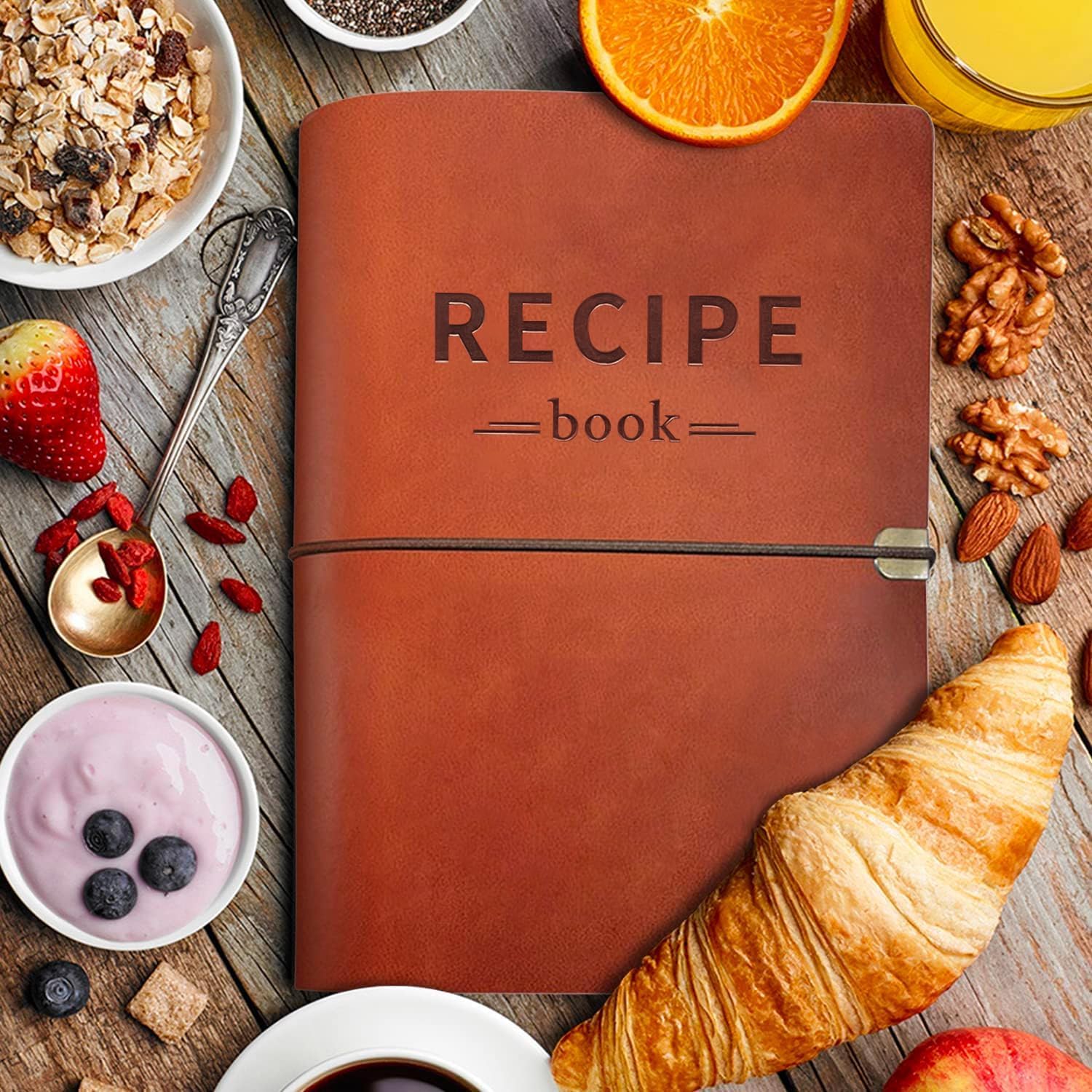
Recipe book images play a crucial role in enhancing the culinary experience for enthusiasts. Here are some key impacts:
1. Visual Inspiration: A well-styled shot can spark weeknight creativity, nudging a hesitant cook toward unfamiliar spices or produce.
2. Understanding Ingredients: Side-by-side photos of raw and prepared items reduce guesswork at the market, especially for global produce or lesser-known cuts.
3. Step-by-Step Guidance: Sequential frames show critical moments—sugar dissolving, dough doubling—bridging the gap between text and intuition.
4. Social Media Sharing: Capturing a homemade version of the pictured dish extends the book’s life online, building friendly rivalry and mutual encouragement among followers.
The Role of Recipe Book Images in Professional Cooking
Recipe book images are not only beneficial for home cooks but also for professional chefs. Here are some key aspects:
1. Menu Development: A striking image can crystallize a seasonal concept, guiding plating choices and color palettes before test cooking begins.
2. Training and Education: Visual references unify teams, showing the precise sear, garnish angle, or sauce swirl expected on every plate.
3. Branding and Marketing: Cohesive imagery across cookbooks, websites, and social feeds reinforces a restaurant’s identity, turning fleeting attention into lasting recognition.
The Future of Recipe Book Images
The future of recipe book images looks promising, with several emerging trends:
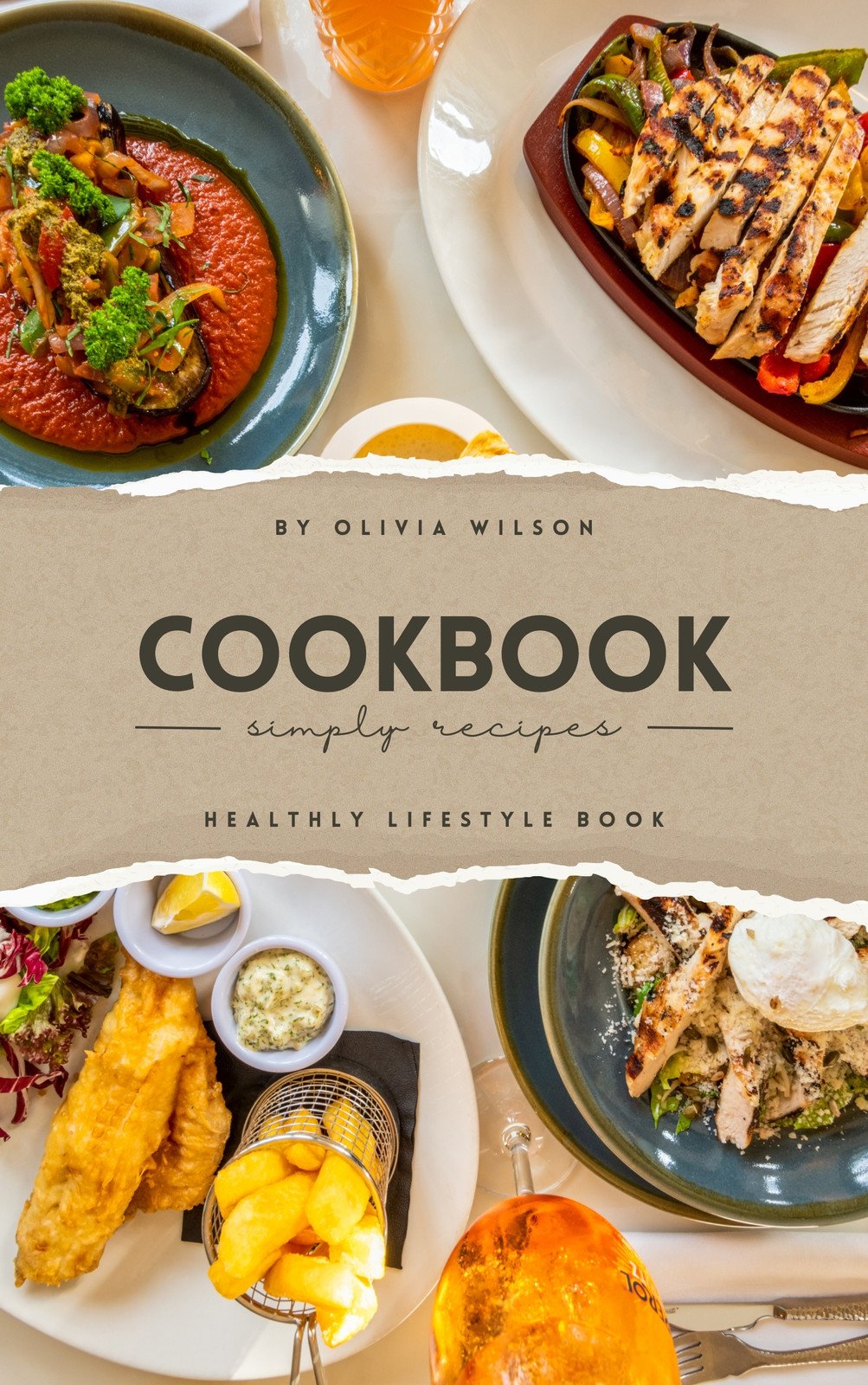
1. Augmented Reality (AR): Pointing a device at a printed page could overlay technique videos or 360-degree plating guides, blending paper with motion.
2. 3D Printing: Edible prints modeled on book photos might let chefs preview height, portion size, or structural elements before service.
3. Personalization: Adaptive layouts could swap visuals based on dietary filters, showing gluten-free crusts or plant-based creams without rewriting the entire book.
Conclusion:
Recipe book images have become an essential component of the culinary experience, impacting both home cooks and professional chefs. Their ability to inspire, educate, and entertain makes them a valuable asset in the world of cooking. As technology continues to evolve, the future of recipe book images looks promising, with new and innovative ways to enhance the culinary experience. By embracing these advancements, we can ensure that recipe book images remain a vital part of culinary literature for generations to come.