


The Art and Science of Cooking: Exploring Culinary Techniques and Nutritional Benefits
Introduction
Cooking is a universal skill that crosses every border. Beyond simply making meals, it safeguards the nutrients hidden in raw ingredients. The phrase “the art of cooking” embraces the full journey from market basket to balanced plate. This article examines how technique and science meet at the stove, influencing flavor, nourishment, and daily well-being.
The Importance of Cooking
Preparing food at home lets us decide what goes into each dish, supporting good health. The process can also calm the mind and strengthen bonds among family and friends. The next sections highlight why time spent cooking is time invested in life quality.
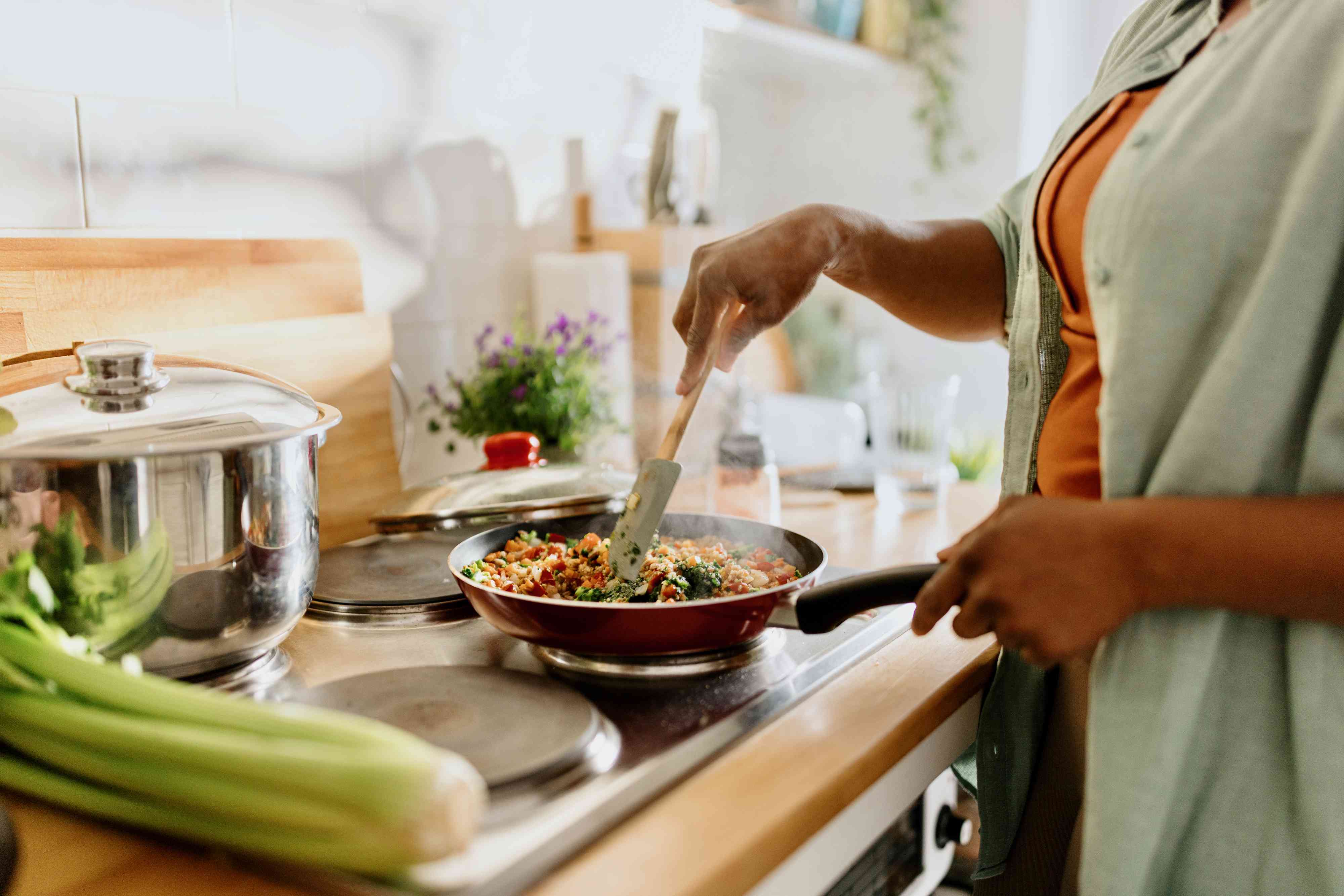
Nutritional Benefits
Gentle heat can unlock vitamins and antioxidants. Light cooking of tomatoes, for example, makes their protective pigments easier to absorb, while brief steaming of carrots boosts access to compounds that support eye health.
Social and Emotional Benefits
Kitchens become gathering places. Sharing recipes and tastes nurtures connection, sparks creativity, and turns ordinary evenings into memorable occasions.
Culinary Techniques
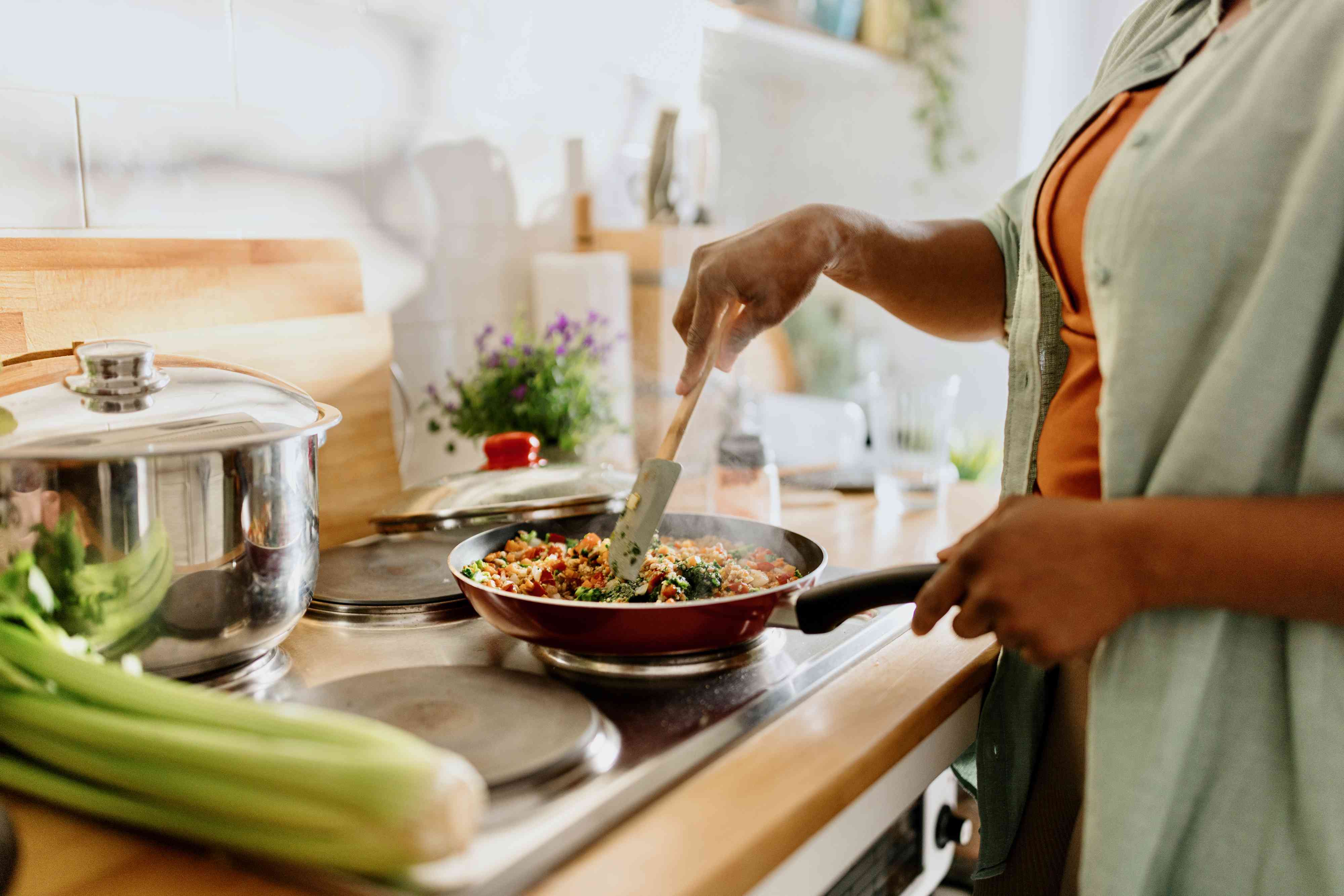
How we apply heat shapes flavor, texture, and nutrient retention. Below are common methods and their practical effects.
Boiling
Submerging vegetables or grains in simmering water is simple, yet water-soluble vitamins can drift away. Using just enough liquid and keeping cooking times short helps preserve goodness.
Steaming
Steam surrounds food without drowning it, holding on to color, crunch, and nutrients. It works especially well for tender greens and delicate fish.

Roasting
Dry oven heat coaxes natural sugars into gentle caramelization, deepening flavor. Root vegetables and brassicas develop sweeter edges and remain rich in fiber and minerals.
Sautéing
A quick toss in a lightly oiled, hot pan seals in taste and texture. Small, uniform pieces cook fast, limiting nutrient loss while adding appetizing color.
Baking

Surrounding food with steady, moderate heat needs little or no added fat. Breads, casseroles, and sheet-pan meals emerge evenly cooked and nutrient-stable.
The Impact of Cooking on Health
Technique choices influence long-term wellness. This section weighs advantages and possible drawbacks.
Health Benefits
Proper cooking lowers the risk of food-borne illness and makes high-fiber legumes easier to digest. Moderate temperatures also reduce the formation of unwanted compounds sometimes linked to chronic disease.

Health Risks
Over-charring or heavy use of saturated fats can introduce less desirable substances. Balancing heat level, cooking duration, and oil amount keeps meals both safe and heart-friendly.
Conclusion
Understanding how heat transforms ingredients empowers everyone to serve dishes that are flavorful and nourishing. By selecting appropriate methods and respecting each food’s needs, we support long-term vitality one meal at a time.
Future Research Directions

Continued study into optimal cooking temperatures, minimal-oil techniques, and the social dimensions of shared meals will refine guidance for healthier kitchens worldwide.


