

Title: Exploring the Richness of Soul Food Recipes: A Culinary Journey
Introduction:
Soul food recipes represent a vibrant culinary tradition shaped by history, culture, and shared experience. These dishes offer more than sustenance—they echo creativity, resilience, and community spirit. In this article, we explore the roots, signature ingredients, beloved plates, and cultural meaning behind this cherished cuisine.
Origins and Influences
The story of soul food begins with culinary practices carried from Africa, later blending with European and Indigenous techniques in the Americas. Over centuries, home cooks adapted to available resources, transforming modest staples into flavorful meals that continue to comfort and connect people today.
Ingredient availability played a central role. When choices were limited, ingenuity flourished. Vegetables, grains, and modest proteins were seasoned boldly, stretched thoughtfully, and shared generously, laying the groundwork for a cuisine celebrated worldwide.
Key Ingredients
Several pantry staples give soul food its unmistakable character:
1. Corn: Ground into meal, it becomes cornbread, grits, or crispy crusts that accompany many meals.
2. Peppers: Sweet or fiery, they brighten stews, sauces, and marinades with layers of warmth.
3. Okra: Thickens gumbos, adds texture to sautés, and stars in simple, satisfying side dishes.
4. Leafy Greens: Slow-simmered collards or mustards absorb smoky flavors and offer hearty nutrition.
5. Field Peas: Often simmered with aromatic vegetables, they symbolize luck and renewal when served at seasonal gatherings.
Popular Dishes
From weeknight tables to holiday feasts, these plates remain perennial favorites:
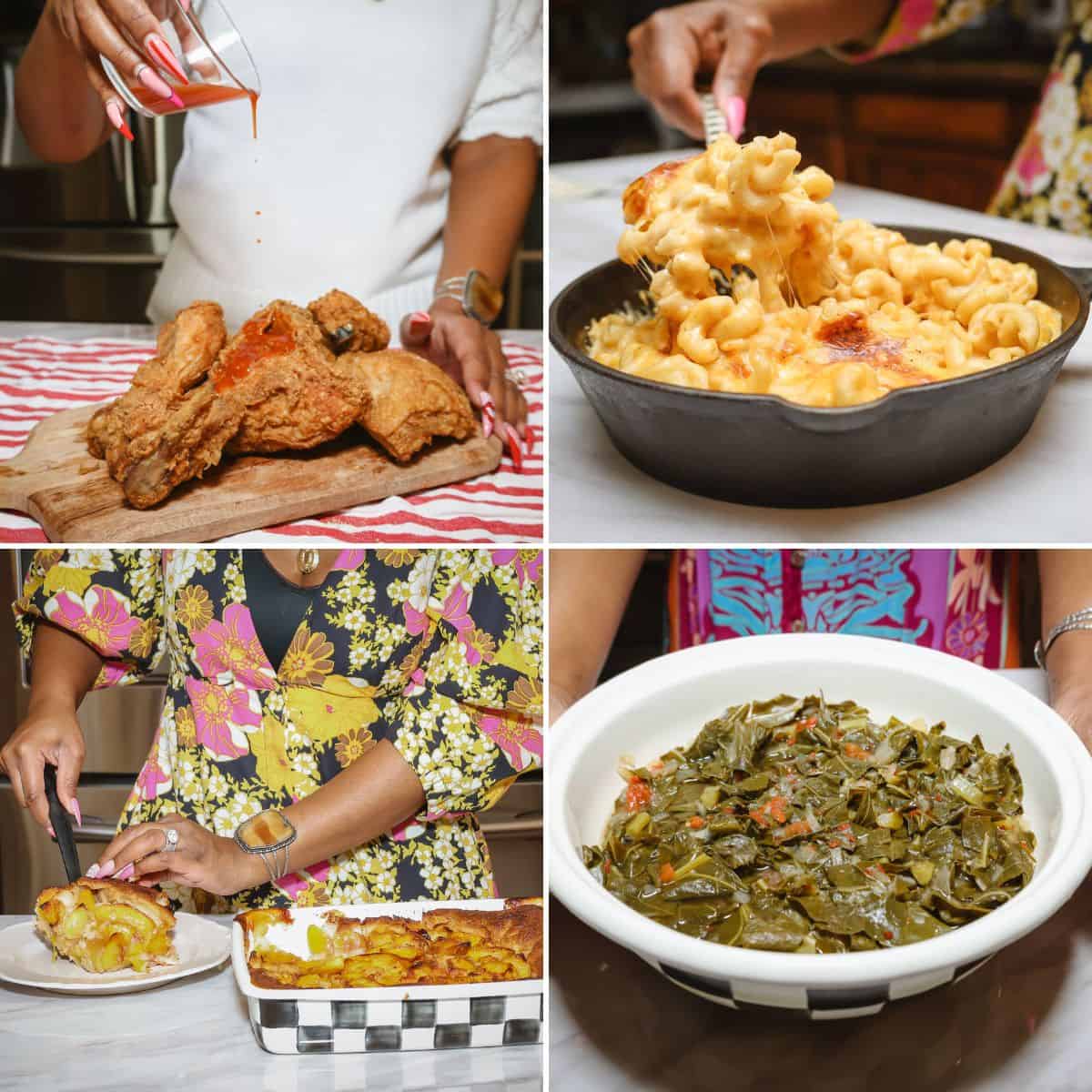
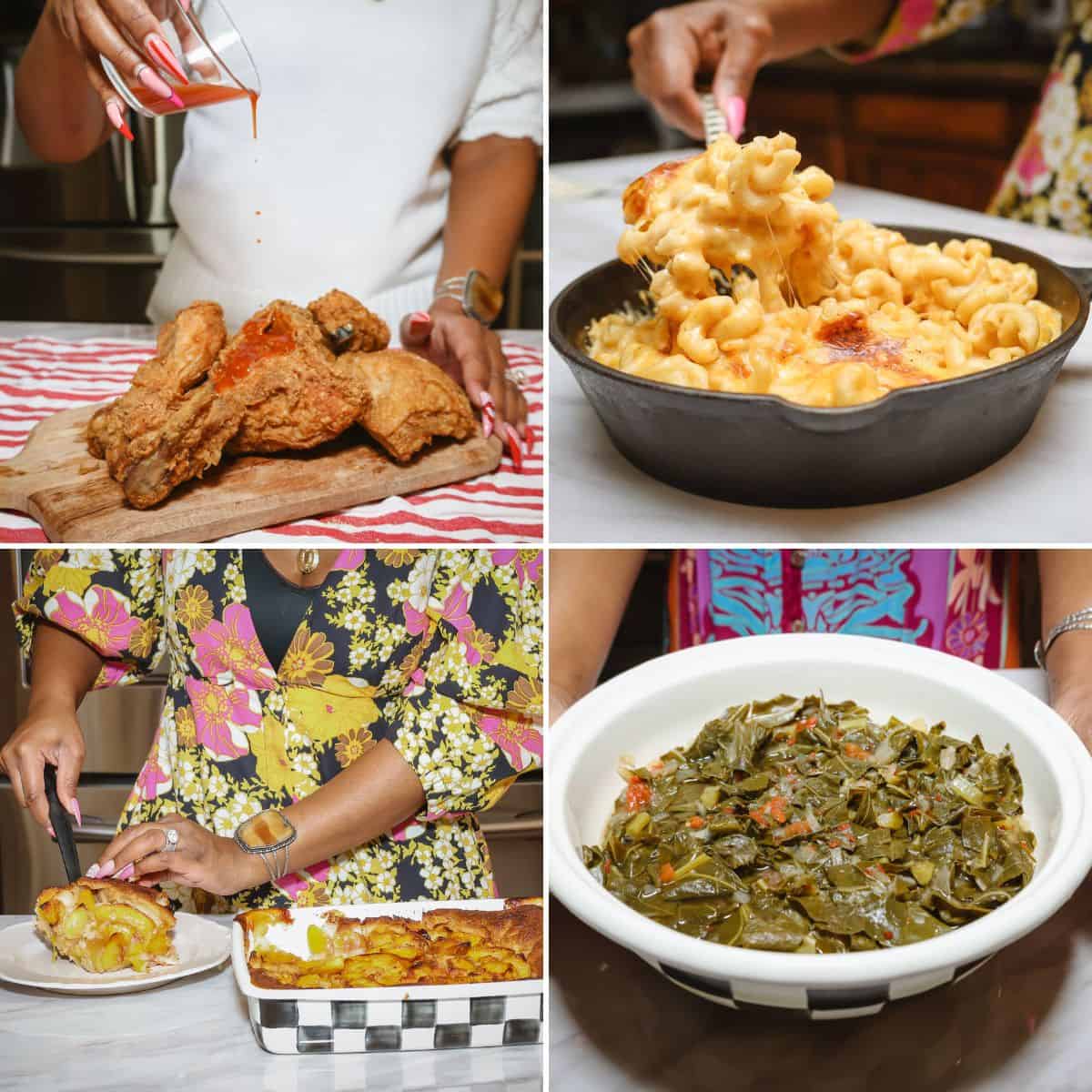
1. Crispy Chicken: A golden crust gives way to juicy meat, best enjoyed hot and shared among friends.
2. Simmered Greens: Long cooking mellows their flavor, especially when kissed by a hint of smoked seasoning.
3. Hearty Gumbo: A thick stew brimming with vegetables, seafood, or sausage, served over rice.
4. Creamy Macaroni and Cheese: Elbows cloaked in rich cheese sauce, often topped with a crunchy breadcrumb crust.
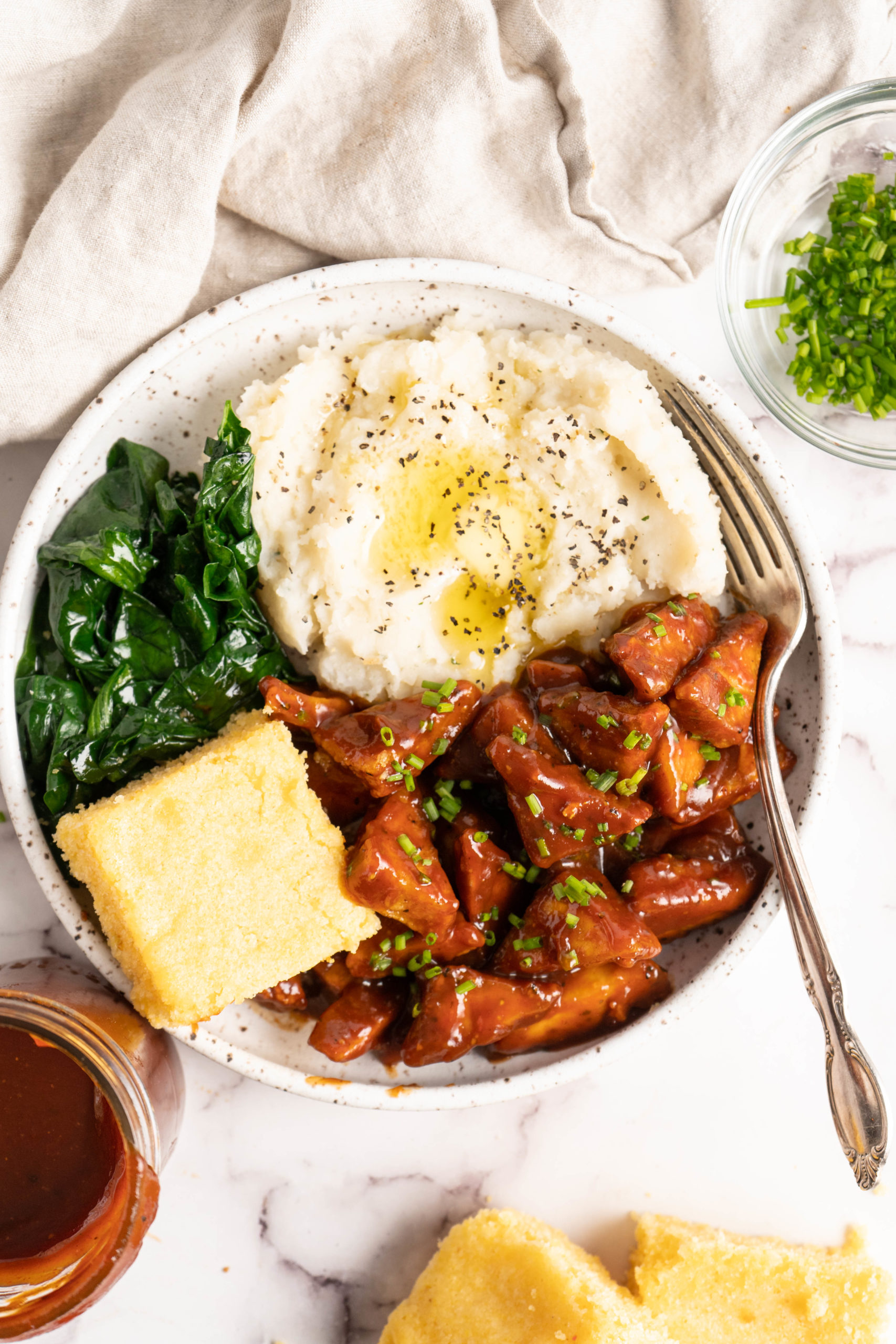
5. Skillet Cornbread: Golden wedges with a tender center, perfect for sopping up sauces and gravies.
Cultural Significance
Meals serve as edible memoirs, preserving stories that might otherwise fade. Recipes travel through families, neighborhoods, and churches, anchoring gatherings with familiar aromas and tastes. Cooking becomes an act of remembrance and celebration, linking generations across time and distance.
During periods of hardship, the ability to create nourishing, flavorful dishes offered both comfort and quiet resistance. Shared meals fostered solidarity, turning dining tables into spaces of hope and affirmation.
Conclusion
Soul food stands as a testament to adaptability and joy in the kitchen. By tracing its ingredients, iconic dishes, and cultural resonance, we gain deeper appreciation for a cuisine that continues to evolve while honoring its roots.
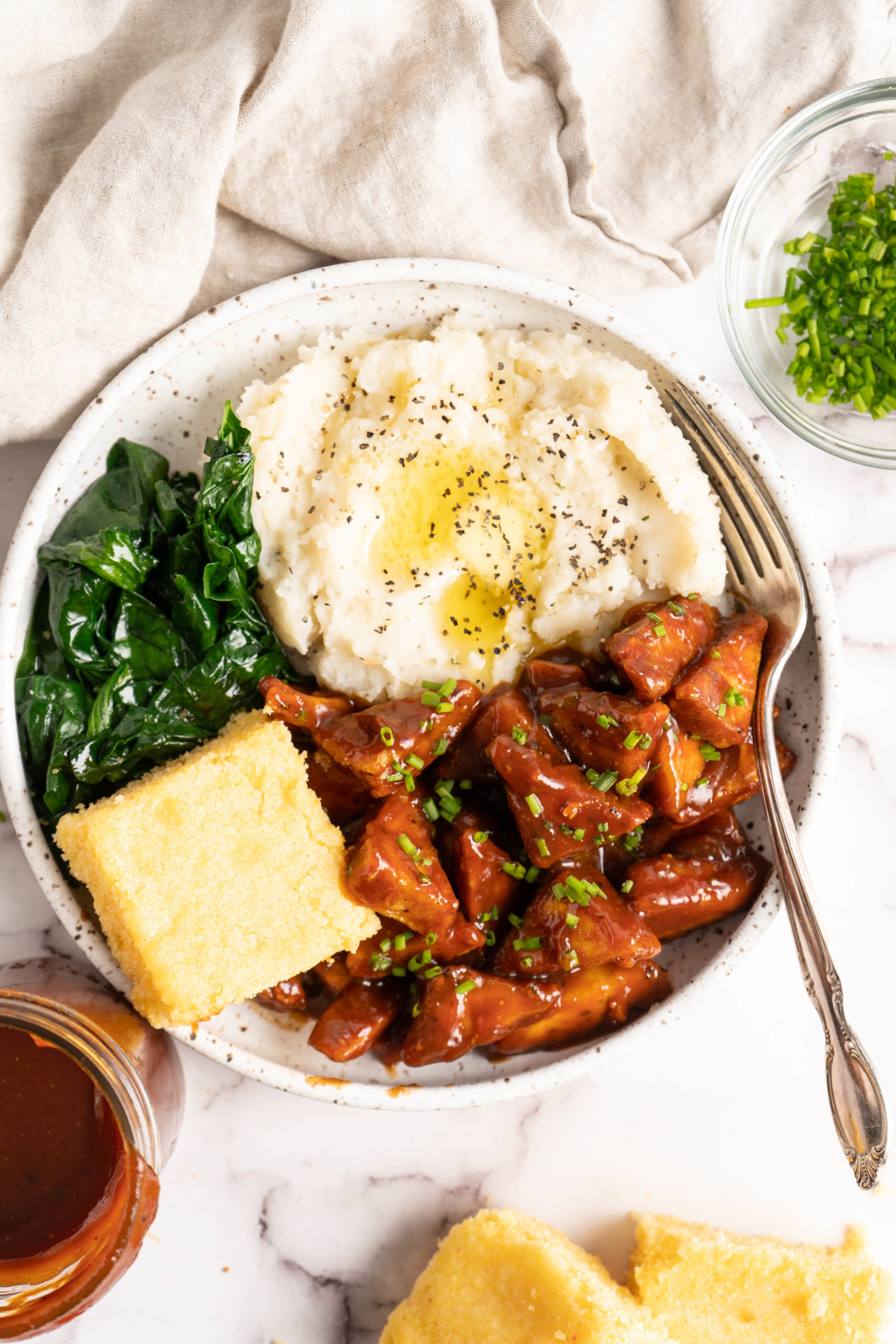
As new cooks encounter these recipes, they add their own touches, ensuring the tradition remains dynamic. Try a dish, invite others to the table, and taste the enduring spirit woven into every bite.
May your kitchen fill with the aromas of slow-simmered goodness, and may every shared meal strengthen the bonds of family and friendship.


