

The Impact of Chili Chain Restaurants on Neighborhood Life
Introduction
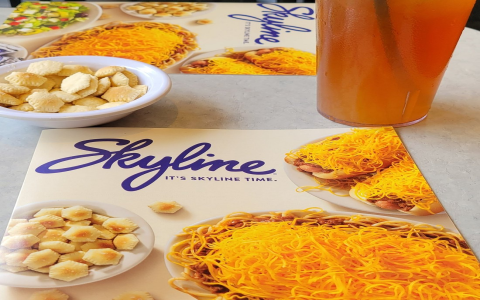
Across many towns, a familiar chili-themed quick-service brand has woven itself into daily routines. Its bright signs and steady hours offer residents a reliable place to gather, eat, and linger. Beyond convenience, these outlets shape local economies, social networks, and even regional food traditions. This brief overview looks at how a single chili chain, standing in for any similar concept, can influence the places it calls home.
Economic Impact
Economic Growth and Job Creation
Each new storefront brings immediate employment: cooks, counter staff, and shift managers are hired from the surrounding area. While exact numbers vary, a typical unit supports several dozen positions, turning first jobs into career paths for many. Wages are spent nearby, circulating through corner stores, gas stations, and childcare centers, quietly amplifying the neighborhood’s economic pulse.
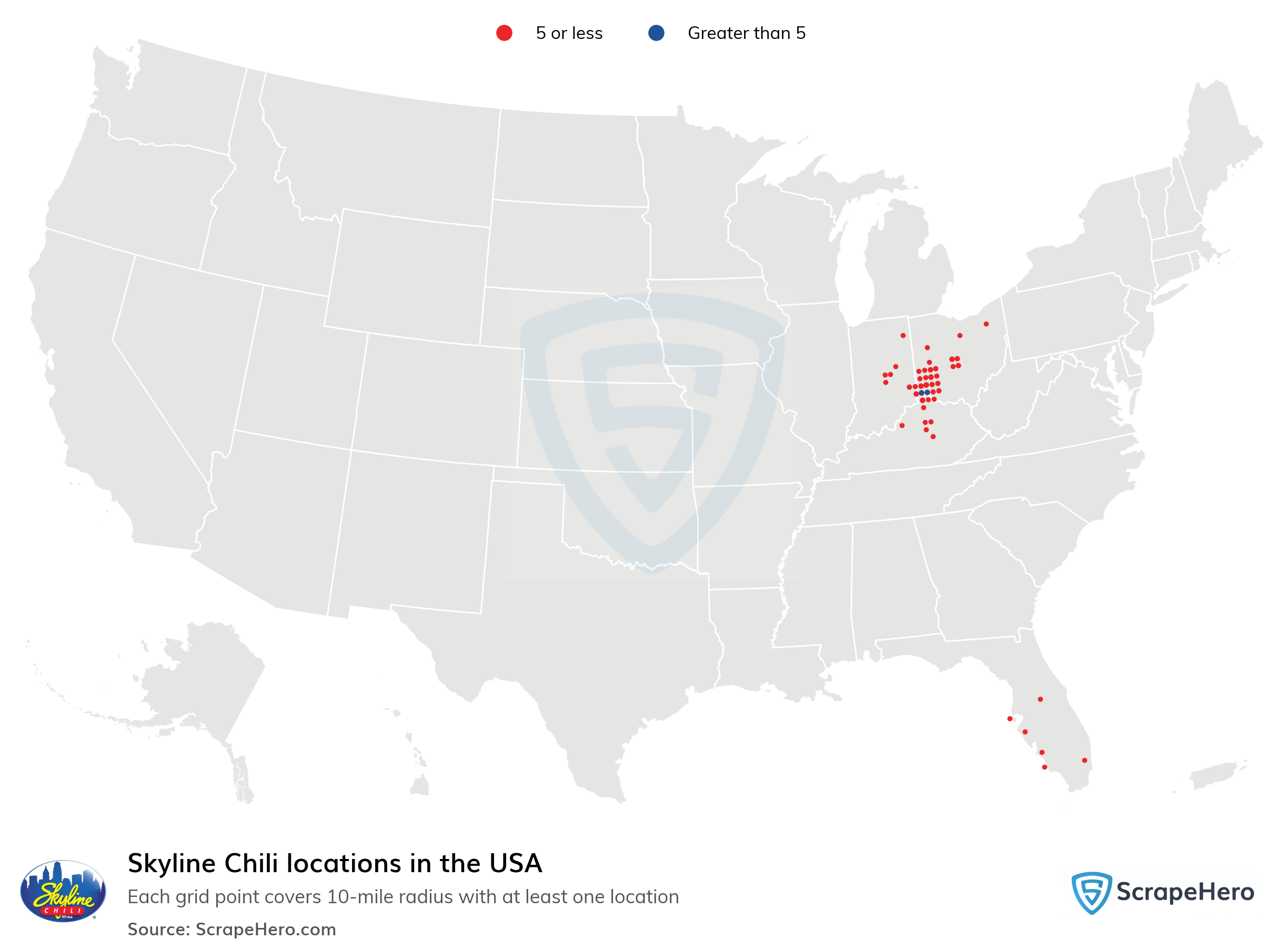
Skyline-style franchises also invite indirect work—delivery drivers, maintenance crews, and uniform suppliers—further widening the ripple effect. In tight-knit districts, the arrival of a busy restaurant can nudge adjacent lots toward renovation, encouraging landlords to refresh vacant spaces and attracting complementary small businesses.
Local Supplier Relationships
When management favors regional produce, dairies, and bakeries, farmers gain steady buyers and can plan crops with confidence. Trucks travel shorter distances, produce stays fresher, and menus flex with the seasons. Over time, these partnerships anchor the chain to the agricultural calendar of its host state, turning a simple bowl of chili into a modest celebration of local soil and labor.
Social Impact
Community Engagement
Weekend car-club meet-ups, youth sports fund-raisers, and after-church gatherings often find a home beneath the familiar neon glow. Managers routinely reserve corner booths for PTA raffle ticket drops or scout troop coupon nights. By opening doors to civic flyers and donation jars, the restaurant becomes a low-cost town square where introductions are made and alliances formed.
Health and Wellness Programs
Responding to diners who want lighter fare, many locations now post calorie counts, swap in whole-grain pasta, and offer side salads in place of fries. Coloring sheets that teach “rainbow plates” to children sit beside traditional crossword menus, nudging families toward balanced choices without preaching. Cooking demos at summer fairs extend the message beyond the storefront, meeting residents where they already congregate.
Cultural Impact
Iconic Brand Identity
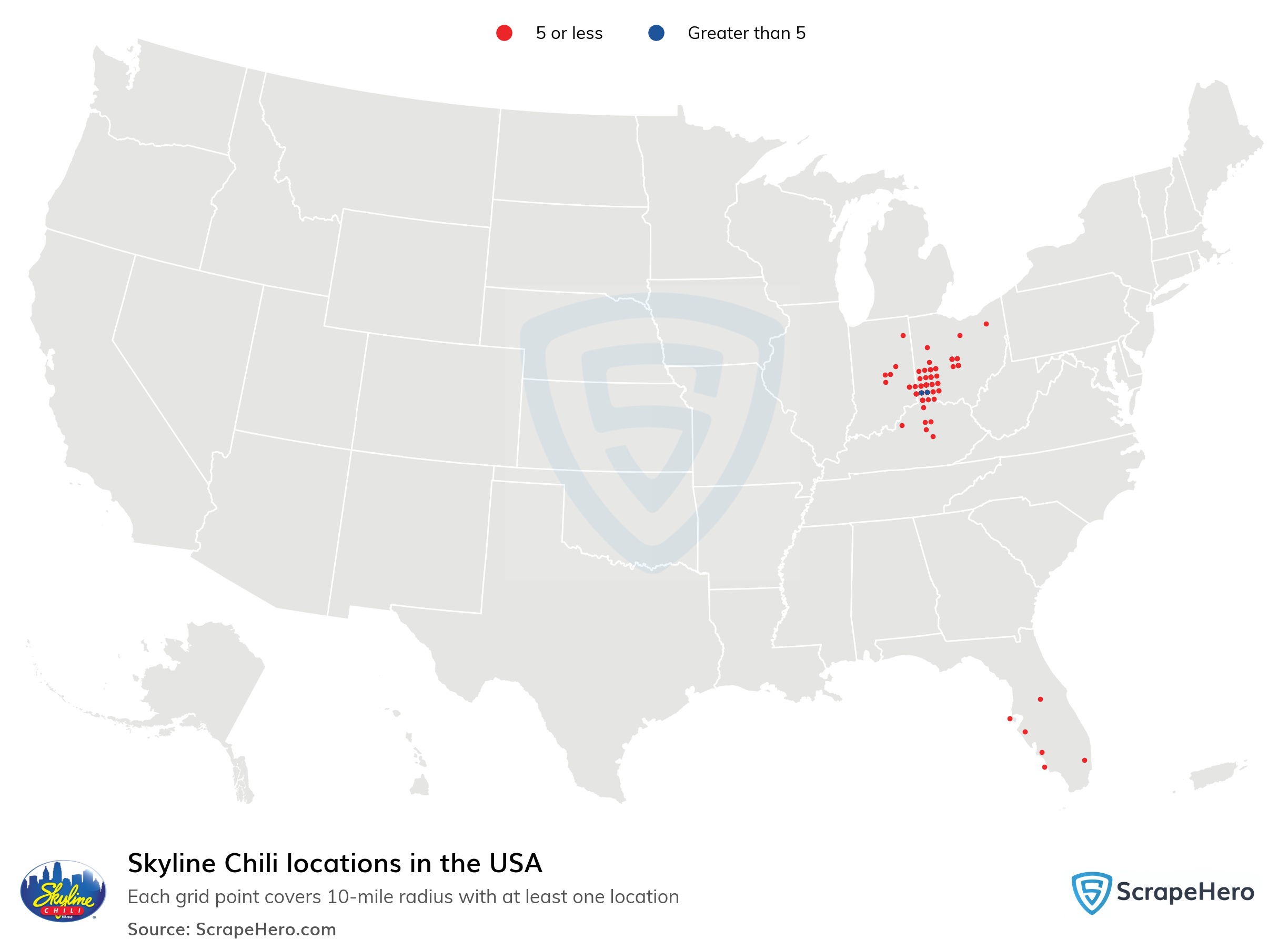
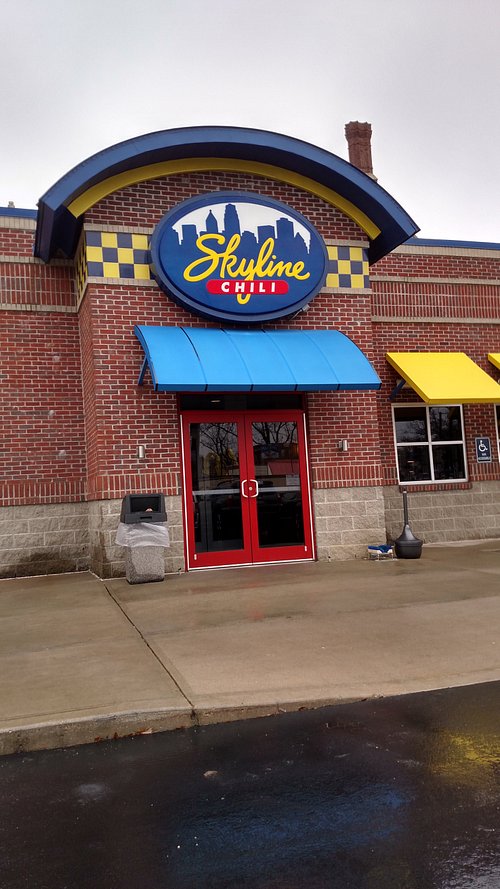
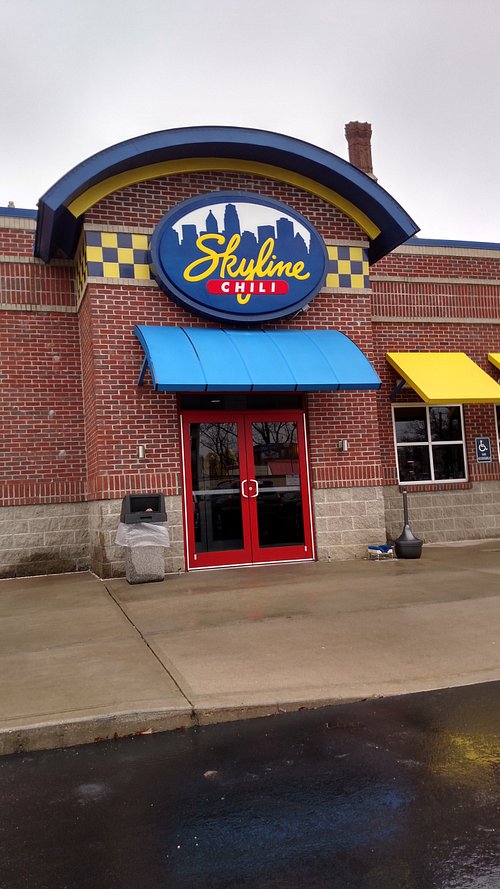
The signature chili—thin, spiced, and ladled over noodles or hot dogs—turns into edible folklore. Out-of-town visitors pose for photos under the branded awning; local teens christen it a late-night rite of passage. In some cities, the mere outline of the restaurant’s roof is enough to evoke homecoming memories, embedding the chain in postcards and graduation stories alike.
Preservation of Traditional Recipes
By keeping the core spice blend unchanged decade after decade, the company safeguards a taste that grandparents recognize instantly. Limited-time throwback posters celebrate the original storefront, reminding newcomers that the recipe predates drive-thru speakers and mobile apps. In doing so, the brand functions as a living museum, curating flavor the way libraries curate方言story hours.
Conclusion
From paychecks to potlucks, chili chain restaurants do more than sell meals; they stitch together economic opportunity, civic ritual, and shared memory. Their continued relevance will rest on balancing tradition with responsiveness—listening to farmers, parents, and local leaders while still serving the signature bowl that started it all.
Recommendations and Future Research
To deepen their contribution, operators might:
– Strengthen contracts with nearby growers, locking in fair prices and sustainable practices.
– Broaden lighter menu lines and transparent labeling, meeting evolving dietary expectations.
– Formalize community spaces—bulletin boards, meeting nooks, or micro-grant programs—that encourage grassroots projects.
Researchers could track how steady restaurant presence correlates with neighborhood cohesion, small-business survival rates, or perceptions of safety after dark. Longitudinal studies might also test whether on-site nutrition nudges translate into measurable shifts in family purchasing patterns at grocery stores downstream.


