


The Significance of Cooked Food in Human Nutrition and Health
Introduction
Cooked food has been central to human diets for millennia. Shifting from raw ingredients to prepared meals has shaped nutritional outcomes and overall well-being. This article examines why cooking matters, outlining its advantages, potential drawbacks, and promising ways forward.
The Shift from Raw to Cooked Fare
Early communities began applying heat to meals in a gradual process that made foods softer, safer, and easier to chew. This change influenced human development by expanding the range of edible plants and animals while reducing the energy required for digestion.

Better Nutrient Access
Heat breaks down plant cell walls and neutralizes certain proteins, releasing vitamins and minerals that would otherwise pass through the body unused. Gentle cooking can therefore raise the effective nutrient density of many ingredients.
Easier Digestion
Raw items often contain natural compounds that inhibit absorption. Cooking lowers the activity of these substances, allowing the digestive system to extract more goodness from each bite while easing the workload on the stomach and intestines.
Lower Risk of Foodborne Illness

Pathogens rarely survive adequate cooking temperatures. By eliminating most harmful microbes, heat treatment turns potentially risky foods into safe, wholesome meals and helps prevent common gastrointestinal complaints.
Key Advantages of Cooking
Beyond safety, cooked dishes offer several nutritional and sensory benefits.
Superior Absorption
People with sensitive guts or limited enzyme production often absorb minerals such as iron and zinc more efficiently from cooked sources than from raw alternatives, supporting energy levels and immune function.

Appealing Flavor and Texture
Maillard reactions and caramelization create inviting aromas, colors, and tastes that encourage varied eating patterns. A diverse plate is more likely to cover the full spectrum of essential nutrients.
Greater Usable Energy
Heat gelatinizes starches and begins the breakdown of fats, allowing the body to access calories faster. This efficiency was especially valuable for ancestral groups with limited daily energy budgets.
Challenges to Consider

Despite clear benefits, cooking can introduce nutritional trade-offs.
Vitamin Loss
Water-soluble vitamins can leach into cooking liquid or degrade at high heat. Quick methods such as microwaving or light steaming help preserve these sensitive micronutrients.
Overcooking Pitfalls
Extended time on the stove or grill can dull flavors, soften desirable textures, and reduce overall nutrient content. Monitoring temperature and duration keeps meals both tasty and nourishing.
Processed Product Concerns
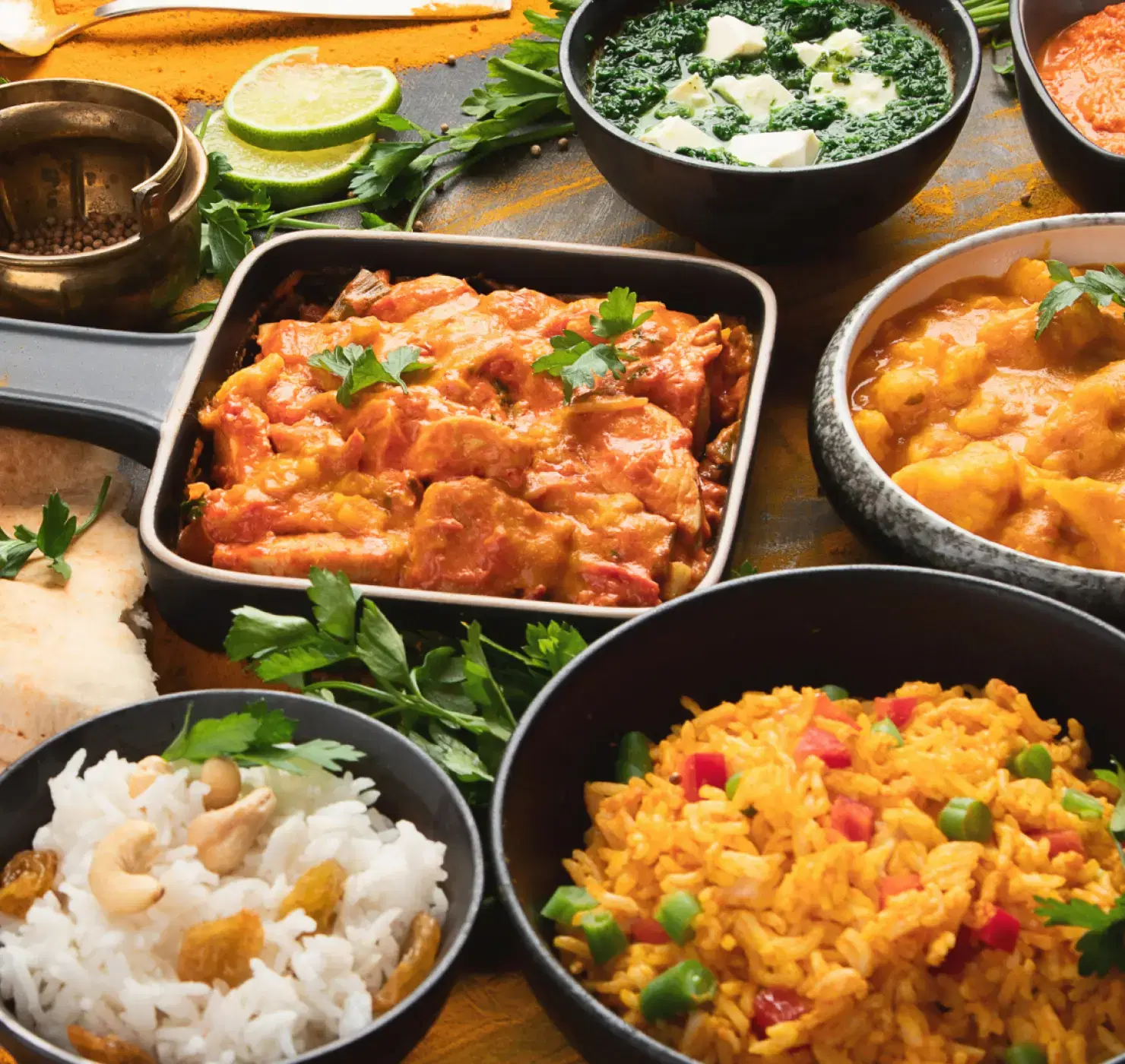
Modern shelves hold many heat-treated items high in added sugars, salt, and refined fats. Frequent reliance on such products can displace minimally processed choices and contribute to long-term health issues.
Looking Ahead
Several strategies can help societies enjoy the upside of cooked food while limiting downsides.
Gentle Cooking Techniques
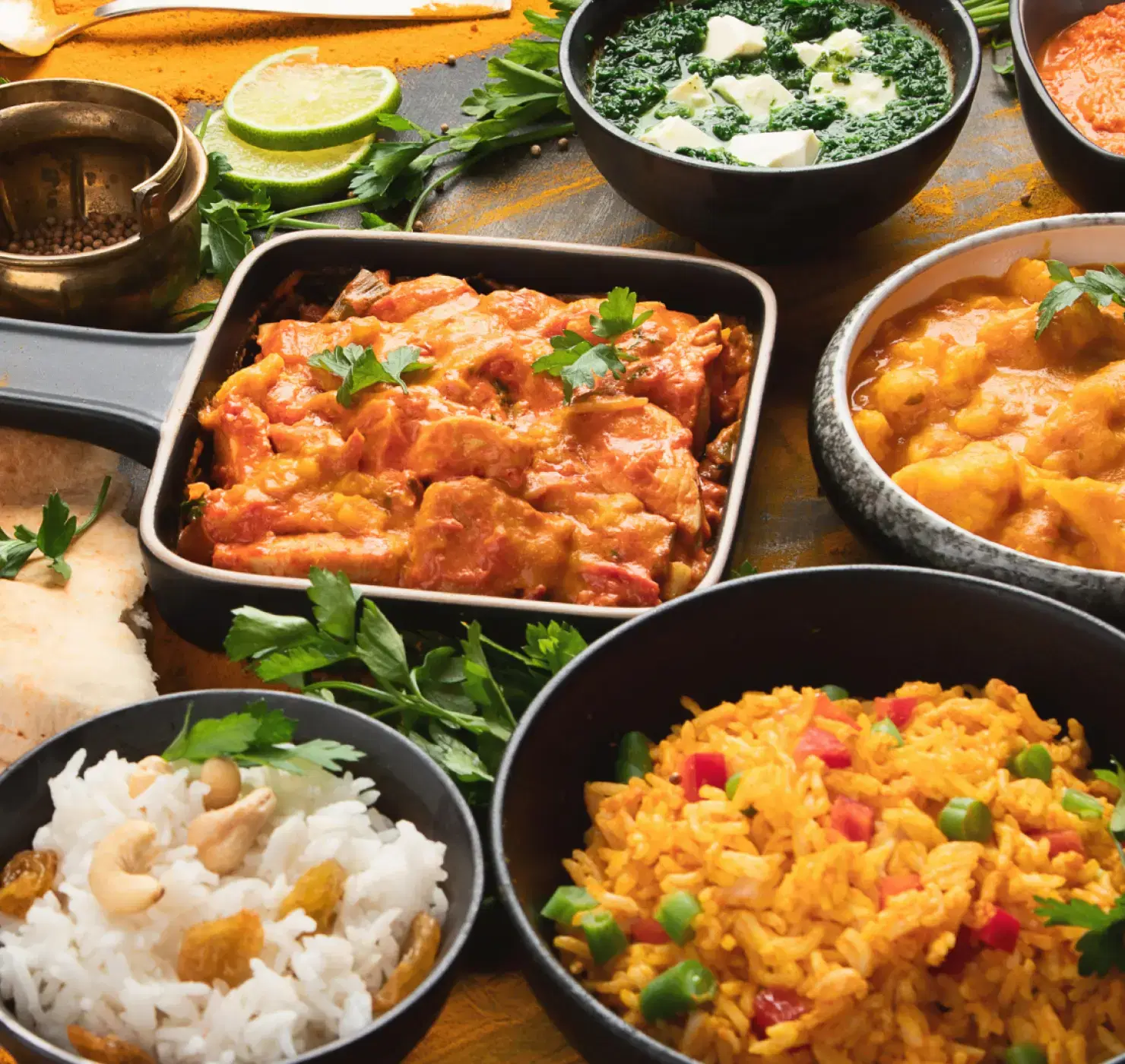
Steaming, pressure-cooking, and stir-frying with minimal oil retain more micronutrients than deep-frying or prolonged boiling. Sharing these methods through community workshops can improve household practices.
Public Awareness
Clear guidance on balanced plates, portion sizes, and home-cooking skills empowers individuals to make informed decisions. School programs, social media campaigns, and culinary demonstrations all serve as useful platforms.
Smarter Processed Options
Ongoing studies into reformulation—lowering sodium, replacing refined grains with whole ones, and incorporating legumes—can yield convenient foods that fit within healthy eating patterns. Transparent labeling supports consumer choice.

Conclusion
Cooking has long enhanced the safety, appeal, and nutritional value of the human diet. While vitamin loss and the prevalence of highly processed items pose challenges, thoughtful techniques, informed consumers, and better product design can keep the focus on health. Emphasizing these elements ensures that cooked food continues to nourish future generations effectively.


