

The Unparalleled Flavors of Southern-Style Chili: A Culinary Delight
Introduction
A celebrated approach to down-home cooking has left an indelible mark on kitchens everywhere, especially through a signature chili that balances bold seasoning with comforting warmth. This article explores the story behind this beloved stew, highlighting its roots, signature ingredients, and the lasting impression it has made on tables around the world.
The Origins of This Signature Chili
Hearty chili has long been a staple across many regions, evolving over centuries as cooks adapted local produce, spices, and techniques. Southern-style versions emerged as community favorites, prized for their depth of flavor and ability to feed a crowd with modest pantry items.

The recipe in focus refines these time-honored traditions by layering Southern hospitality with a modern twist. The result is a pot of chili that feels both familiar and fresh, capturing the spirit of shared meals and generous seasoning.
The Key Ingredients
Great chili begins with thoughtful choices at the market. Below are the building blocks that give this version its memorable character:
1. Meat
A combination of ground beef and pork creates a robust foundation. Browning the meats separately develops fond on the bottom of the pot, enriching the final sauce with caramelized notes.
2. Beans
Kidney, pinto, and black beans add creaminess and body. Rinsing canned beans removes excess sodium while keeping the pantry shortcut convenient.

3. Tomatoes
Crushed tomatoes and a spoonful of tomato paste build a bright, tangy backdrop that balances the richness of the meat.
4. Chili Powder
A homemade blend of ancho chile, cumin, smoked paprika, and a pinch of coriander delivers layered heat without overwhelming the palate.
5. Herbs and Spices
Fresh garlic, diced onion, oregano, and a single bay leaf simmered low and slow round out the flavor profile, adding earthy complexity.
The Cooking Process
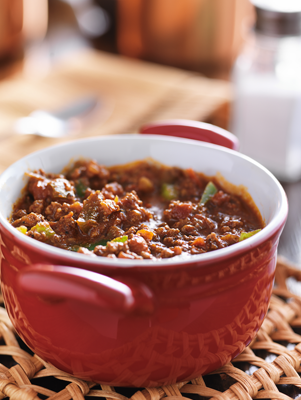
Patience is the secret weapon. The meats are seared until deeply browned, then spices are toasted in the rendered fat to awaken their oils. Tomatoes and stock go in next, loosening the flavorful bits stuck to the pot. Beans join the bath, and the entire mixture simmers gently for at least an hour, allowing the ingredients to meld into a cohesive, velvety stew. A final tasting adjusts salt, heat, and acidity, ensuring every spoonful feels balanced.
The Impact of This Beloved Recipe
This style of chili has moved beyond the dinner table to become a cultural touchstone at cook-offs, tailgates, and neighborhood potlucks. Its straightforward technique encourages novices, while the adaptable seasoning invites seasoned cooks to improvise. Above all, the dish champions the idea that humble ingredients, treated with care, can create memorable comfort food.
Moreover, sharing a steaming bowl fosters connection. In moments when schedules are hectic and meals are rushed, setting aside time to ladle chili into ceramic bowls offers a gentle reminder of the pleasures of slowing down and eating together.
Conclusion
More than a simple stew, this chili represents the warmth of communal dining and the creativity born from regional traditions. Its bold yet balanced flavors, economical ingredients, and forgiving method continue to win new fans. As culinary curiosity expands across borders, this classic recipe endures—proof that food steeped in history still has the power to gather friends, old and new, around a single pot.
Recommendations and Future Research
Interest in plant-based diets opens the door for protein swaps such as lentils, mushrooms, or soy mince, inviting further study into texture and nutrition. Investigating fermentation—perhaps a spoon of miso or pickled peppers—could deepen umami while reducing added sodium. Cooks are also encouraged to document regional variations, preserving family techniques that might otherwise fade. Through mindful experimentation, the legacy of shared, soul-warming chili will continue to evolve without losing the heart that makes it iconic.


