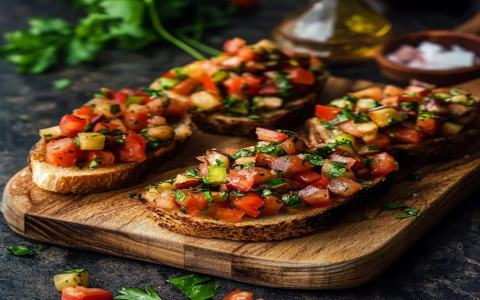

Title: Exploring the World of Savoury Foods: A Culinary Journey
Introduction:
Savoury dishes have been central to human meals since fire was first tamed. Their satisfying taste comes from balanced salt, gentle heat, fragrant herbs, and layered spices. This brief tour looks at how these foods evolved, why they matter, and where to meet them on the modern table.
History of Savoury Foods
Early farmers mixed grains, pulses, and foraged plants into simple but filling bowls. As trade routes grew, pepper, cumin, and rosemary travelled too, turning plain pots into perfumed stews. Coastal towns added fish brine, while mountain villages leaned on cured meats, each region refining its own comforting savour.
Ancient writings describe onion-rich broths baked in clay, and later empires swapped techniques for stuffing breads and roasting meats. Over centuries, these ideas crossed borders, slowly becoming the diverse savoury traditions we recognise today.

Significance of Savoury Foods
Beyond flavour, savoury plates supply protein, complex carbohydrates, healthy fats, and vital micronutrients. Shared from street stalls to family tables, they also spark memory and mark milestones, turning ordinary days into small celebrations.
Many cultures link certain savoury recipes with seasonal festivals or rites of passage. A slow-cooked leg of lamb, a pot of rice fragrant with cardamom, or a tray of stuffed leaves often carries meanings that stretch far beyond the dining room.
Popular Examples of Savoury Foods
Every corner of the globe offers a signature savoury bite:
1. Pizza: A crisp base crowned with tomato, cheese, and garden herbs, beloved from Naples to neighbourhood diners worldwide.
2. Curry: Aromatic sauces of ginger, garlic, and toasted spices coat vegetables or meat in countless regional styles.

3. Sushi: Cool vinegared rice paired with fresh fish or vegetables, proving that savoury can also be delicate.
4. Tacos: Soft or crunchy shells cradling seasoned fillings, brightened by salsa and fresh lime.
5. Paella: Saffron-stained rice studded with a mix of land and sea, served straight from wide, shallow pans.
The Role of Spices and Herbs in Savoury Foods
Spices and herbs act as both seasoning and storyteller, turning humble ingredients into signature dishes. A short pantry list includes:
1. Garlic: Pungent cloves mellow into sweet depth when sautéed, forming the base of countless sauces.

2. Cinnamon: Warm sticks lend subtle sweetness to savoury stews and tagines.
3. Basil: Peppery green leaves lift tomato sauces and coconut curries alike.
4. Turmeric: Earthy golden powder colours rice and lentil pots while adding gentle warmth.
Conclusion
From ancient hearths to modern kitchens, savoury foods have nourished bodies and connected communities. Their evolving flavours invite endless experimentation while respecting time-tested techniques. Exploring them is less a chore than an open invitation to taste history in every bite.
In the end, savoury cooking is both daily fuel and edible heritage. By tasting, sharing, and adapting these dishes, we keep a living tradition sizzling for the next hungry generation.