

The Impact of Online Cooking Resources on Modern Culinary Practices
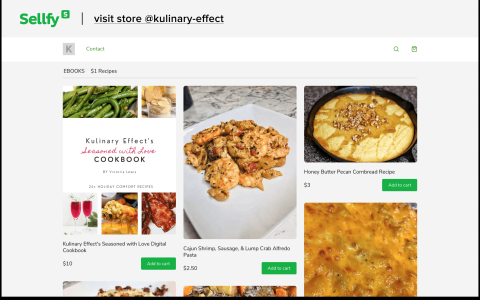
In the digital era, the way people learn and practice cooking has been reshaped by a wealth of online resources. These platforms open kitchen doors to anyone curious about food, offering guidance on everything from weeknight dinners to elaborate regional dishes. This article explores how such resources influence culinary learning and shape contemporary cooking habits.
The Rise of Online Cooking Resources
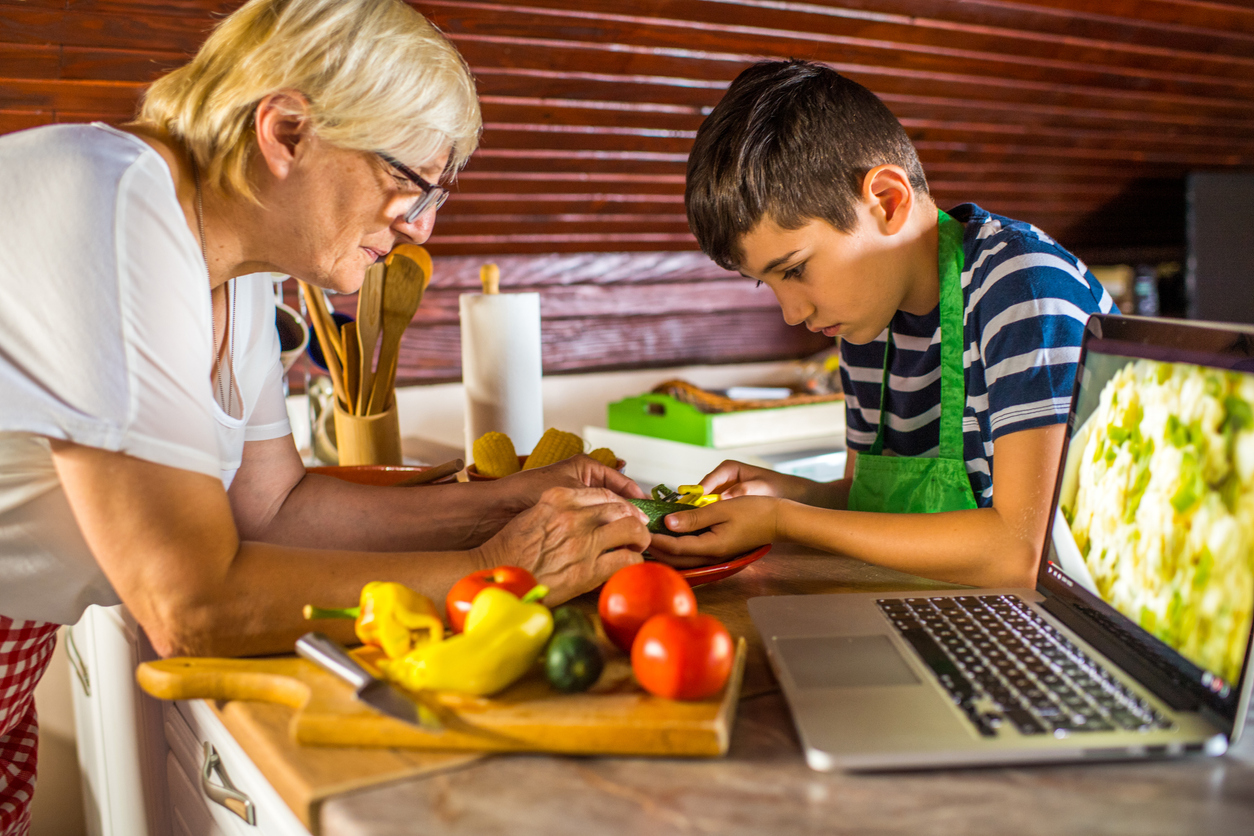
Over the past decade, cooking websites, video channels, and social media accounts have flourished. The appeal is easy to understand: a quick search delivers step-by-step guidance for almost any dish imaginable. Several factors fuel this growth:
– Accessibility: A stable internet connection is all that is needed to browse thousands of recipes and lessons.
– Variety: Platforms cover global cuisines, dietary preferences, and skill levels, ensuring something for everyone.
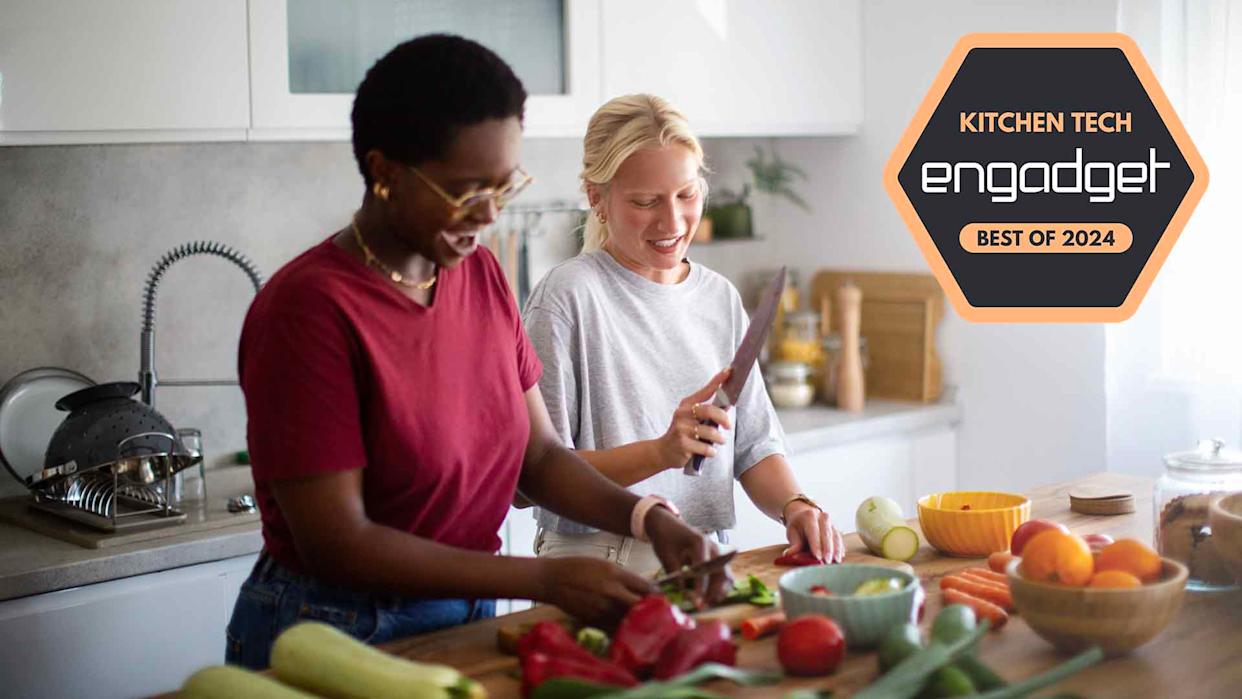
– Interactivity: Comment sections, live streams, and forums let users ask questions and share results in real time.
The Role of Online Cooking Resources in Culinary Education
Traditional culinary schools still have their place, yet online options provide flexible, affordable alternatives. Key advantages include:
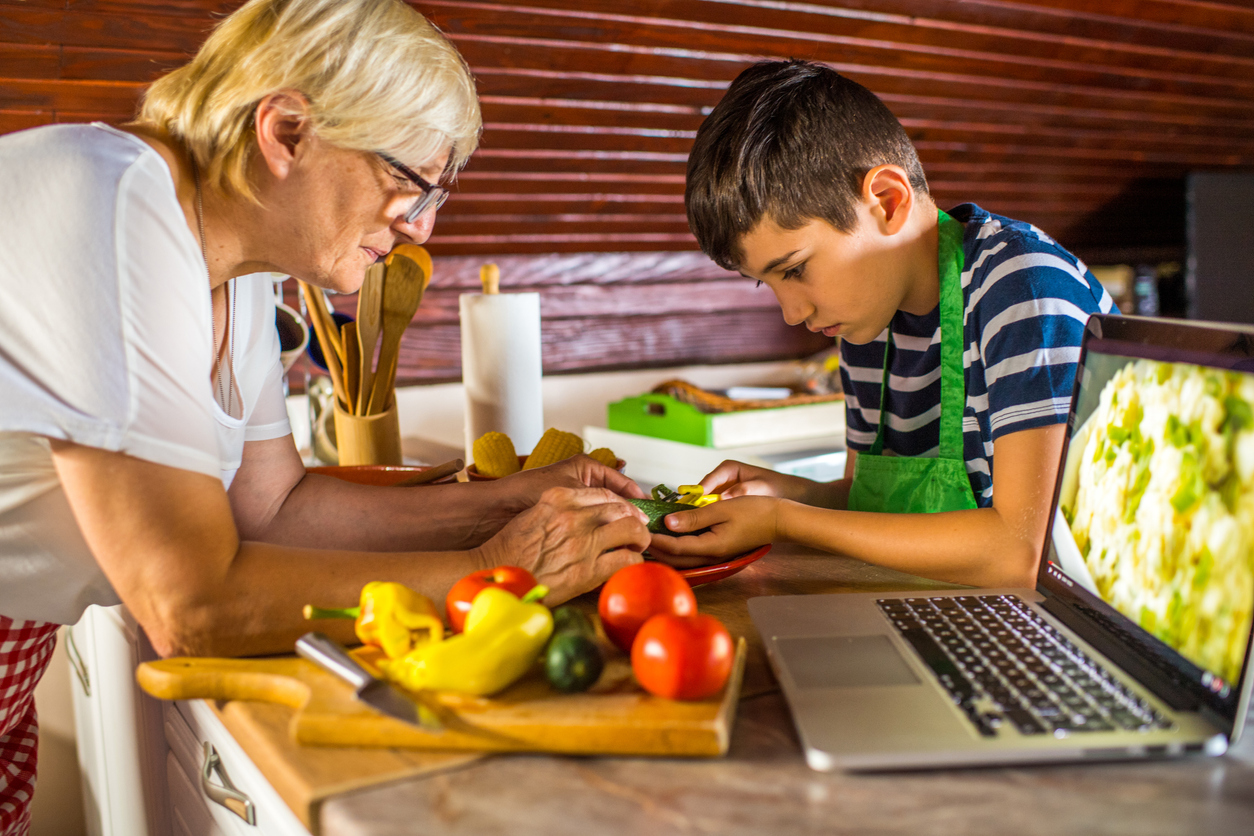
– Self-paced Learning: Viewers can pause, rewind, and replay techniques until they feel confident.
– Multiple Formats: Short clips, detailed articles, and printable charts accommodate different learning styles.
– Global Exposure: Cooks can explore traditions from distant regions without leaving home, encouraging cultural appreciation.
Case Study: MasterClass
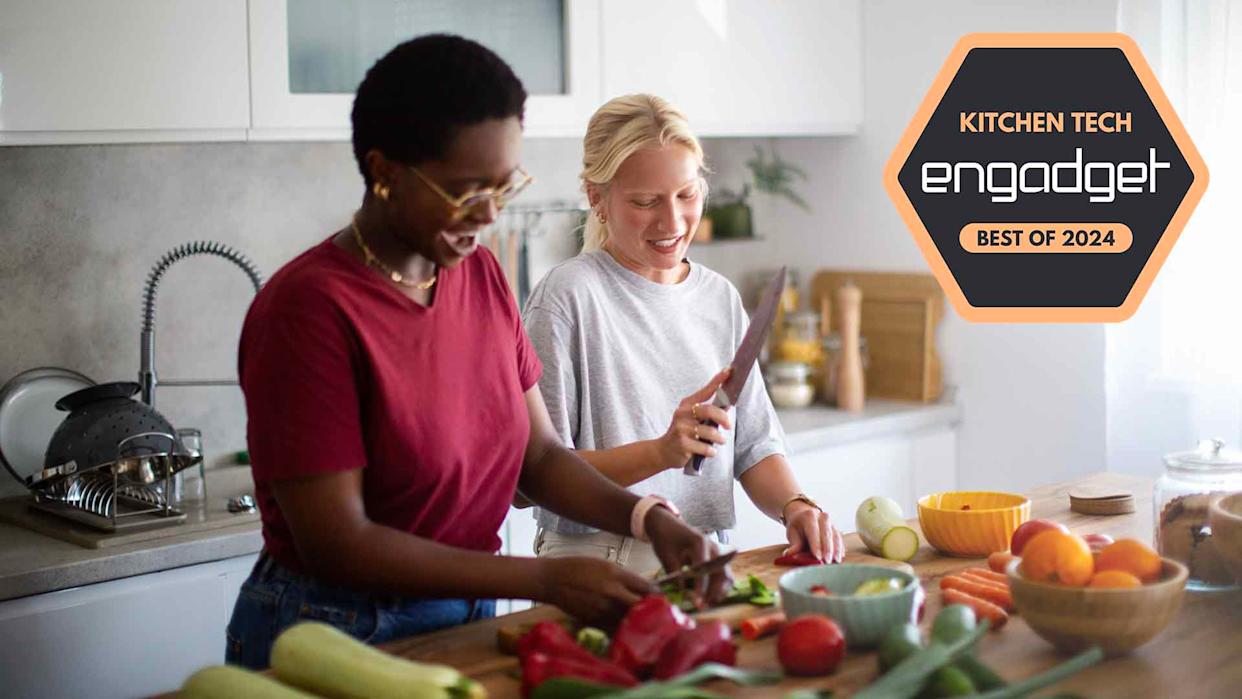
MasterClass invites subscribers into the kitchens of acclaimed chefs through cinematic lessons. By demonstrating core skills and signature dishes, these sessions make professional insights available to a broad audience, inspiring home cooks to refine their craft.
The Impact on Modern Culinary Practices
Constant online inspiration has changed how people approach food:
– Innovation: Easy access to novel flavor pairings and techniques encourages experimentation.
– Globalization: Cooks fuse elements from different cuisines, creating vibrant, cross-cultural menus.
– Community Building: Hashtags and group challenges connect enthusiasts who swap feedback and encouragement.
Case Study: Instagram
Instagram’s visual format turns everyday meals into shareable stories. Chefs and home cooks post eye-catching photos, quick tutorials, and ingredient tips, motivating followers to recreate dishes and discover unfamiliar culinary traditions.
Challenges and Considerations
Despite the benefits, certain issues deserve attention:
– Quality Control: Not every recipe is tested; users must cross-check sources and read reviews.
– Cultural Sensitivity: Sharing dishes outside their original context calls for respectful acknowledgment of heritage.
– Environmental Impact: Streaming high-resolution videos and frequent device upgrades contribute to energy use and e-waste.
Conclusion
Online cooking resources have become essential tools for novices and seasoned cooks alike, fostering creativity and connection across continents. By remaining mindful of accuracy, respect, and sustainability, these platforms can continue enriching kitchens around the world for years to come.
In summary, digital cooking content broadens access to knowledge, nurtures innovation, and builds vibrant food communities. Embracing its strengths while addressing its challenges will help shape a more inclusive and inspired culinary future.


