

The Impact of Cooking Videos on Modern Culinary Learning and Eating Habits
Introduction
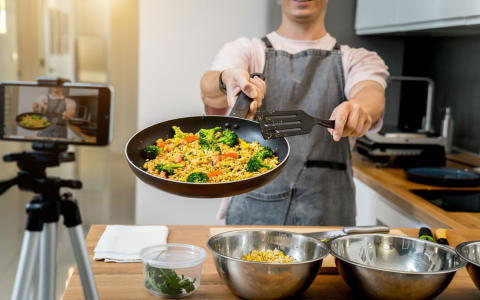
In today’s digital world, short cooking clips have become a favorite way to pick up kitchen skills and meal ideas. Found across social platforms, these bite-size lessons are reshaping how people discover recipes and gain confidence at the stove. This article looks at how the rise of such videos influences everyday cooking, highlights their strengths and pitfalls, and considers where the trend may head next.
The Rise of Cooking Videos
Popularity and Accessibility
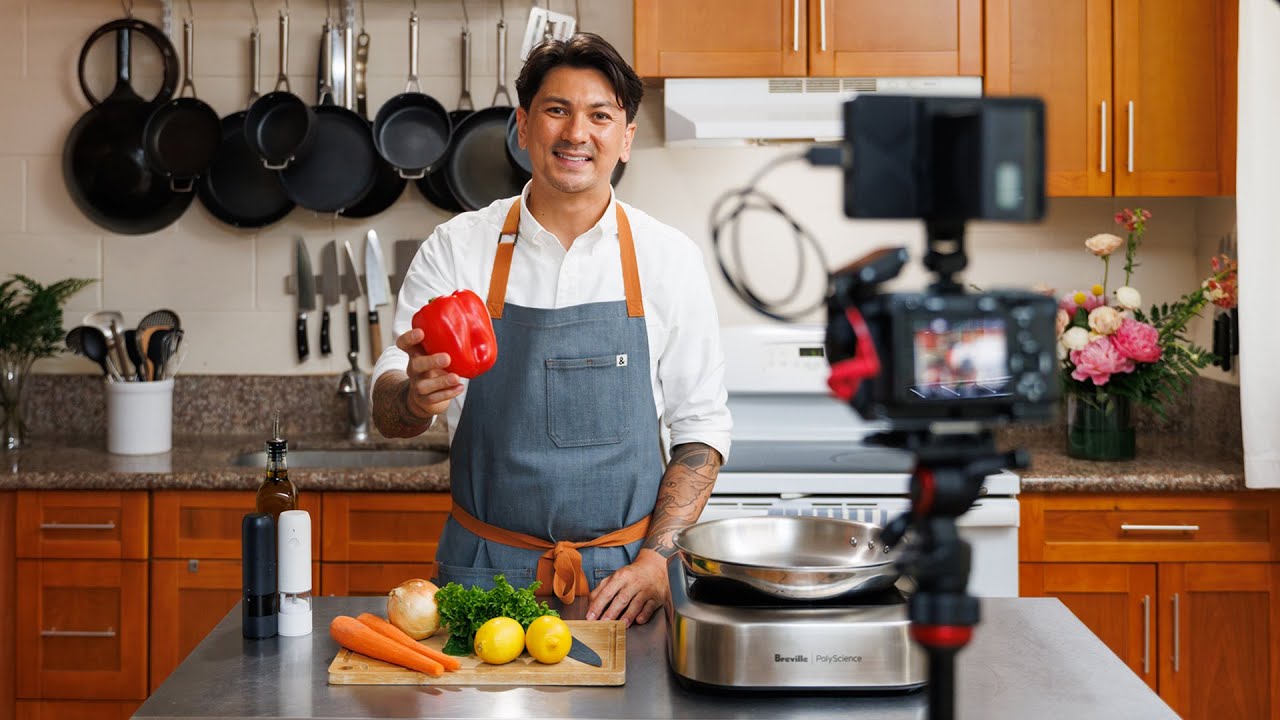
Thanks to faster connections and smartphones, anyone can watch countless cooking demonstrations within seconds. This instant access has leveled the playing field, allowing home cooks everywhere to learn techniques without enrolling in formal classes.
Diverse Content and Formats
From thirty-second hacks to longer step-by-step guides, the formats vary widely. Whether a viewer wants a quick lunch or an elaborate dinner, there is a clip to match every taste and skill level, making the medium a versatile kitchen companion.
Benefits of Cooking Videos
Enhanced Learning Experience
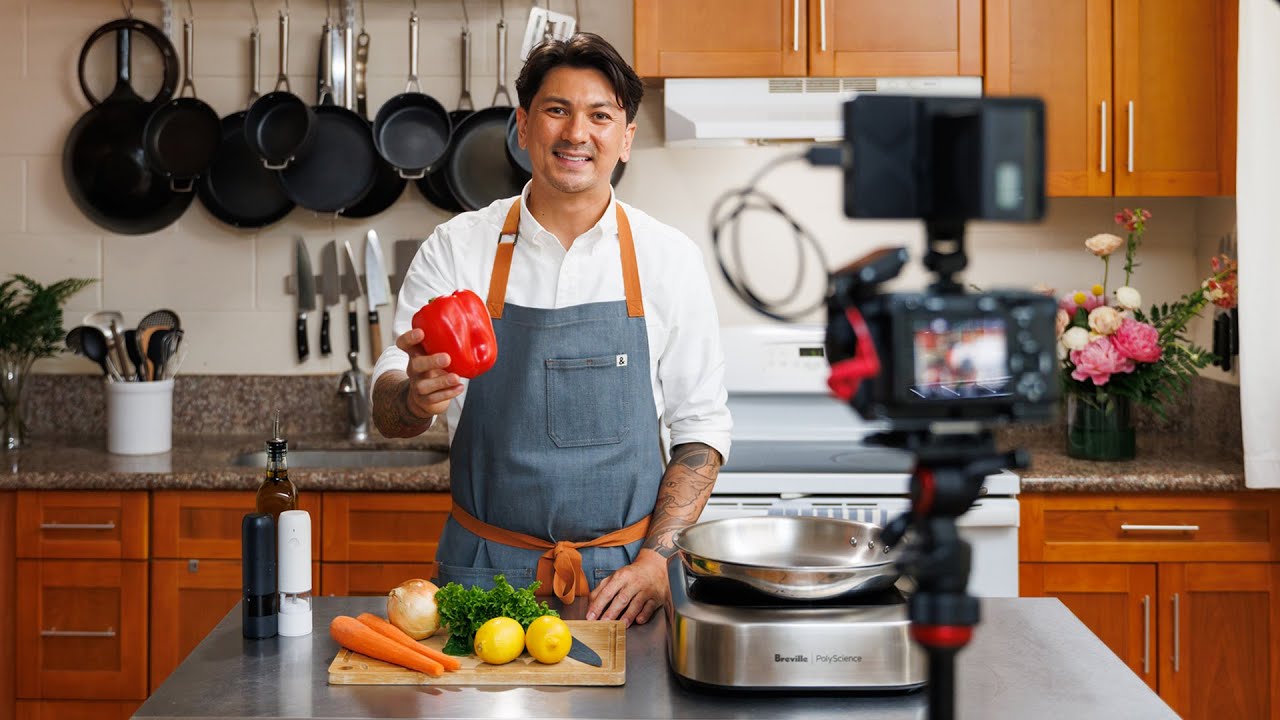
Seeing a procedure in motion helps viewers grasp timing, texture, and color cues that printed instructions often miss. The option to pause or replay segments lets learners practice at their own speed until the method feels natural.
Inspiration and Creativity
Vibrant presentations and novel twists on familiar dishes encourage experimentation. Viewers frequently adapt what they see, swapping ingredients or plating styles, which keeps home menus fresh and exciting.
Cultural Exchange
Clips featuring dishes from many regions open windows to new flavors and customs. Sampling these recipes at home can spark curiosity about other food traditions and foster appreciation for global diversity.

Challenges and Concerns
Quality and Accuracy
Because anyone can upload content, instructions may skip crucial safety steps or misstate cooking times. Viewers need to compare several sources and rely on common sense to avoid disappointing or risky results.
Commercialization and Influencer Culture
As sponsorship deals grow, some creators spotlight flashy products rather than sound technique. When entertainment value outweighs reliability, audiences must stay selective about whom they trust.

The Role of Cooking Videos in Culinary Education
Supplementing Traditional Education
Culinary schools increasingly encourage students to watch curated online demonstrations that reinforce classroom theory. The visual reference helps bridge the gap between textbook descriptions and real-world execution.
Bridging the Gap for Non-Traditional Students
People who cannot travel to a campus or pay tuition still gain know-how through free or low-cost clips. This flexibility supports lifelong learning and invites more voices into the culinary conversation.
Future Implications
Technological Advancements
As immersive tools develop, viewers might one day wear lightweight headsets that overlay timing prompts or temperature readouts onto their own pots and pans, making guided practice feel almost hands-on.
Integration with Smart Kitchen Appliances
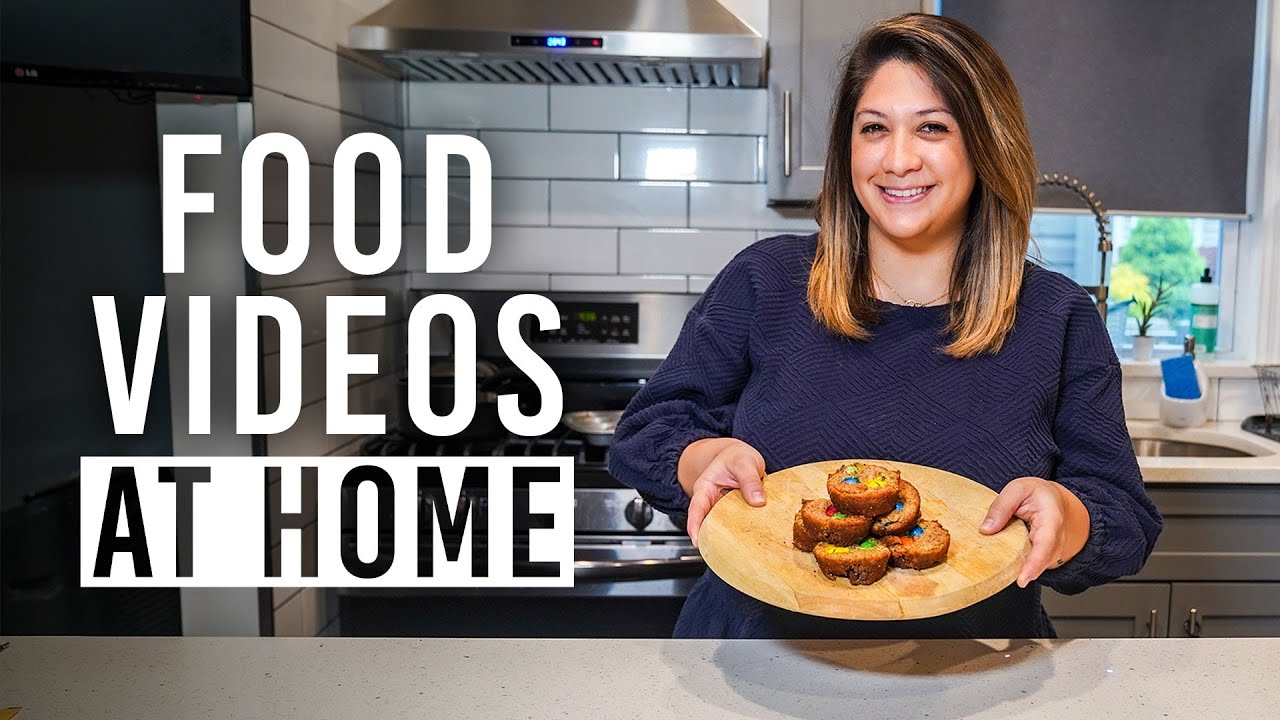
Connected cooktops and ovens could sync with video instructions, automatically adjusting heat or signaling the next step. Such seamless links promise smoother workflows and fewer guesswork moments for busy cooks.
Conclusion
Cooking videos have already transformed how recipes spread and how skills are shared. They empower novices, energize seasoned food lovers, and knit together a worldwide community of kitchen experimenters. By staying alert to quality and embracing new tech wisely, both creators and viewers can ensure this vibrant medium continues to enrich everyday meals and culinary curiosity for years to come.
References
– Recent overview of cooking media trends in educational journals.
– Studies on viewer engagement with food content across social platforms.
– Articles exploring cultural sharing through online gastronomy channels.


