
The Impact of Ingredient-to-Recipe Apps on Modern Cooking
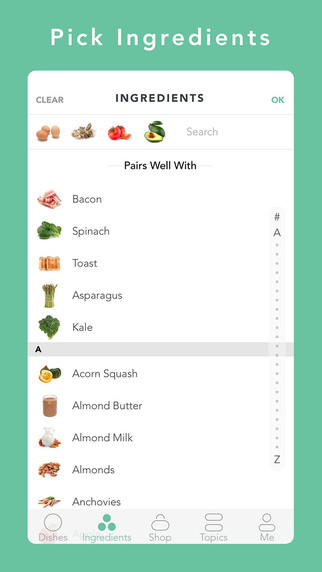
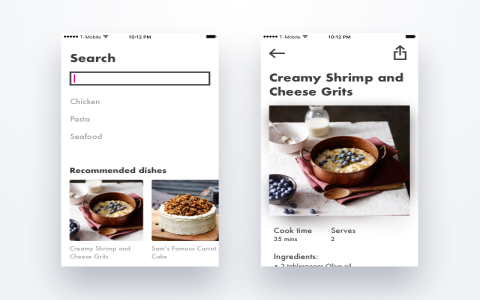
Digital tools have reshaped how we plan and prepare meals. Among the most useful innovations is the ingredient-to-recipe app, which turns whatever is already in the kitchen into a complete dish. These apps now play a central role in everyday cooking, guiding shoppers and home chefs from pantry to plate. This article looks at why they matter, how they change behavior, and what lies ahead for culinary tech.
The Evolution of Cooking Apps
Early cooking apps were little more than searchable cookbooks. Today’s ingredient-driven versions go further, walking users through selection, prep, timing, and plating. The result is a smoother, more confident cooking journey, even for beginners.
The Benefits of Ingredient-to-Recipe Apps
Personalized Recommendations
By noting flavor likes, allergies, or wellness goals, the software filters thousands of dishes and surfaces the ones that fit each household best.
Efficient Meal Planning
Clear ingredient lists and step sequences let shoppers buy only what they need, cutting waste and extra store runs.
Time and Energy Savings
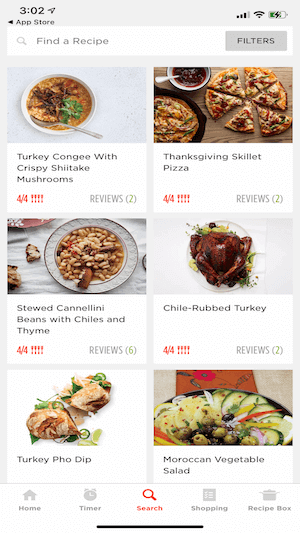
Built-in timers, video tips, and one-tap unit converters shorten the learning curve and keep stress low on busy nights.
Encouraging Experimentation
A vast, ever-updated catalog invites cooks to try unfamiliar spices, global staples, or plant-based swaps, broadening palates without guesswork.
The Impact on Cooking Habits
Easy access to guidance is quietly reshaping how people relate to food:
Increased Home Cooking
Convenience and visual support nudge households toward scratch-made meals, often at a lower cost and with healthier profiles than take-out.
Greater Recipe Diversity
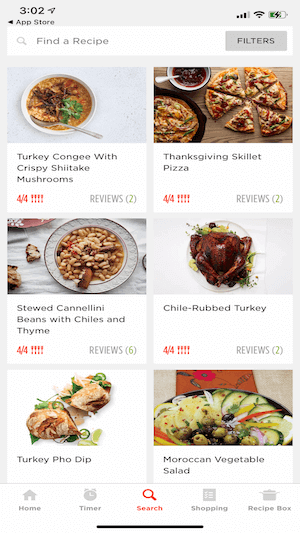
Weeknight rotations now span continents, introducing grains, sauces, and techniques once reserved for restaurants.
Enhanced Cooking Skills
Repeated exposure to knife skills, heat control, and flavor balancing builds kitchen confidence that lasts long after the phone is set down.
The Role of Ingredient-to-Recipe Apps in the Future of Cooking
Several trends point to deeper integration between software and stovetop:
Integration with Smart Kitchen Devices
Connected appliances could read the recipe aloud, pre-heat the oven, or adjust blender speed without manual input.
Augmented Reality (AR) Enhancements
Overlay graphics might show how fine a dice should be or when a sauce reaches the perfect consistency, shrinking the gap between text and action.
Community and Social Features
Ratings, photos, and remix threads can turn solitary cooking into a shared hobby, sparking friendly challenges and seasonal themes.

Conclusion
Ingredient-to-recipe apps have moved from novelty to necessity, making homemade meals more attainable, varied, and fun. As algorithms grow smarter and appliances more connected, these platforms will keep lowering barriers and raising creativity in kitchens everywhere.
Recommendations and Future Research
To push the concept further, developers and scholars might focus on:
1. Partnering with culinary schools and food-science labs to refine instructions and ingredient ratios.
2. Linking with wellness trackers so daily menus align with activity levels or medical guidance.
3. Designing adaptive interfaces that learn from voice feedback, eye tracking, or gesture controls.

Meanwhile, researchers could explore:
1. Long-term effects on household food budgets, waste reduction, and nutrient intake.
2. Immersive technologies that blend AR, VR, and haptic cues for remote cooking classes.
3. Balancing data-driven suggestions with cultural respect and user privacy.
Continued collaboration between technologists, chefs, and diners will ensure these apps remain helpful, inclusive, and inspiring.