
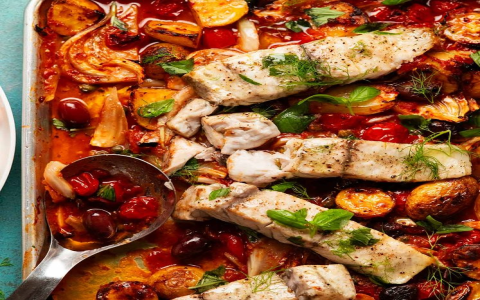

Title: The Art and Science of Recipe Design: A Balanced Exploration
Introduction:
Recipes have guided kitchens around the world for generations, blending creativity with measurable technique. They turn raw ingredients into dishes that comfort, surprise, and connect people. This discussion outlines why recipes matter, what shapes them, and how they continue to influence the way we eat and share food.
The Value of a Recipe
A clear recipe offers reliable steps that help both seasoned chefs and everyday cooks achieve steady results. Beyond convenience, recipes act as living records of culture, carrying flavors forward so future diners can taste history on a plate.
In professional settings, recipes form the backbone of menu development and product consistency. They also inspire research into nutrition, sustainability, and new cooking methods, extending their relevance far beyond the stove.
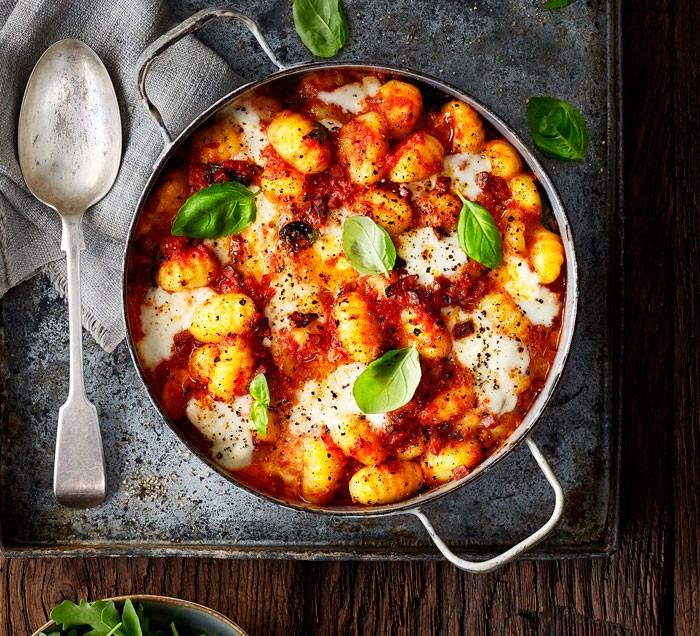
Creative Dimensions of Recipe Building
Designing a recipe is part intuition, part imagination. Cooks draw on sensory memory, color theory, and aroma pairing to assemble components that feel balanced from first glance to final bite.
Flavor harmony is central. Contrasts of sweet against sour, gentle bitterness against savory depth, or cooling herbs against warm spices keep palates engaged. Layering these tastes thoughtfully turns simple produce into a memorable course.
Technique matters just as much as ingredient choice. Roasting can coax out hidden sweetness, while a quick steam might preserve bright color. Plating finishes the story, guiding the eater’s eye and setting expectations before a single forkful.
Scientific Foundations
Objective principles quietly steer every successful recipe. Understanding how heat moves through food, how acids affect texture, or how leavening gases expand allows cooks to repeat triumphs and avoid costly mistakes.
Chemical reactions such as the Maillard browning or caramelization create complex aromas that no ingredient possesses on its own. Controlling time and temperature lets chefs amplify these reactions for deeper taste.
Food safety science is equally critical. Keeping ingredients out of risky temperature zones, preventing cross-contact, and respecting storage limits protect both flavor and health, ensuring that creativity never compromises well-being.
Recipes and Living Tradition
Every cuisine evolves through the exchange of recipes. A spice route, a migration, or a simple dinner party can plant the seed for a new regional staple. Over time, borrowed dishes adapt to local soils, beliefs, and seasons, enriching the global table.
Documenting traditional methods safeguards identity. When grandparents teach bread shaping or grandparents explain why a stew is stirred only clockwise, they pass along more than nourishment; they pass narrative. Culinary travelers often seek these authentic experiences, supporting local economies while tasting heritage.
Looking Ahead: Hurdles and Opportunities
Modern diners request meals that are kinder to bodies and planet. Recipe writers now balance indulgence with nutrient density, reduce resource-heavy components, and rethink waste streams without sacrificing pleasure.
Technology also reshapes the kitchen. Precision cookers, smart sensors, and data-driven flavor maps open doors once closed to household cooks. At the same time, they demand fresh literacy: understanding a graph of doneness can be as important as knowing when sauce coats the back of a spoon.
Tomorrow’s breakthroughs may arrive through virtual collaboration, where cooks in distant places co-develop dishes in shared digital spaces, or through software that translates personal health goals into customized meals. Embracing these tools while honoring sensory craft will define the next chapter of recipe creation.
Conclusion:
Recipes stand at the crossroads of inspiration and precision. They safeguard memory, spark innovation, and invite everyone—professional or novice—to participate in an endless conversation about what tastes good and feels right. By valuing both the creative spark and the rigorous test, we keep that conversation vibrant, inclusive, and ever evolving.


