


Ingredient-Focused Cooking: A Holistic Path to Flavor and Wellness
Introduction
Preparing food has always been central to daily life, offering nourishment, enjoyment, and a shared sense of belonging. In recent years, more home cooks have turned their attention to health, environmental care, and global tastes. One popular strategy is to build dishes around fresh, minimally handled foods. This article looks at what that approach involves, why it matters, and how anyone can adopt it.
What Is Ingredient-Focused Cooking?
Ingredient-focused cooking is a mindset that starts with raw, whole foods and lets them guide the menu. It favors produce picked at its peak, intact grains, and items that have passed through as few stages of processing as possible. The goal is to let natural taste and nutrients shine on the plate.
Benefits of Ingredient-Focused Cooking
Enhanced Flavor
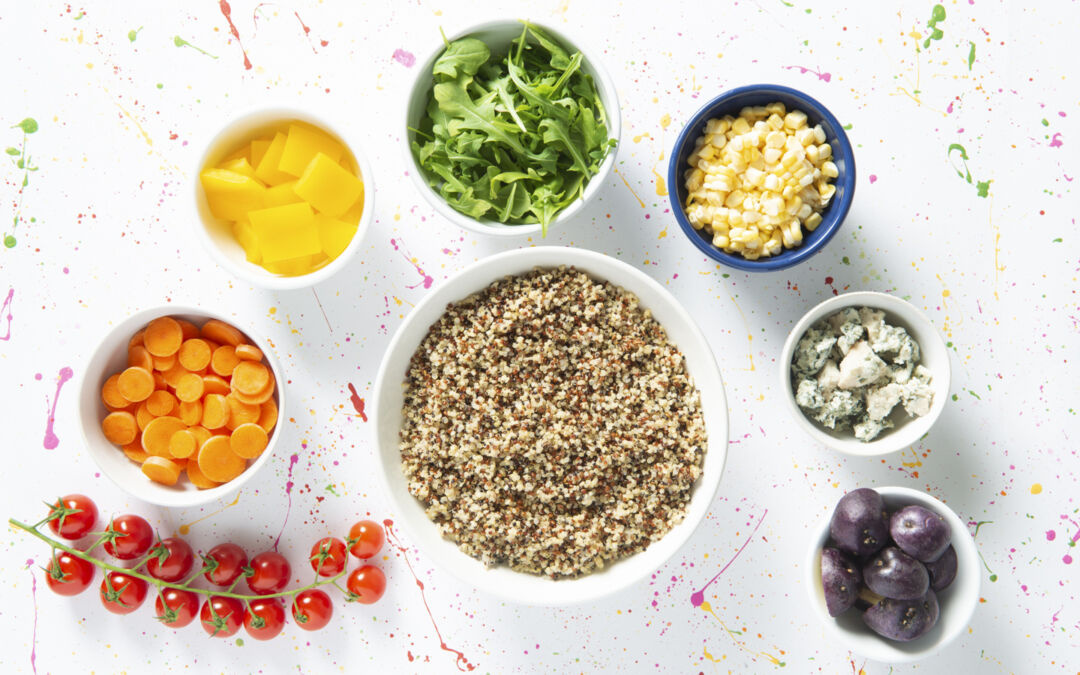
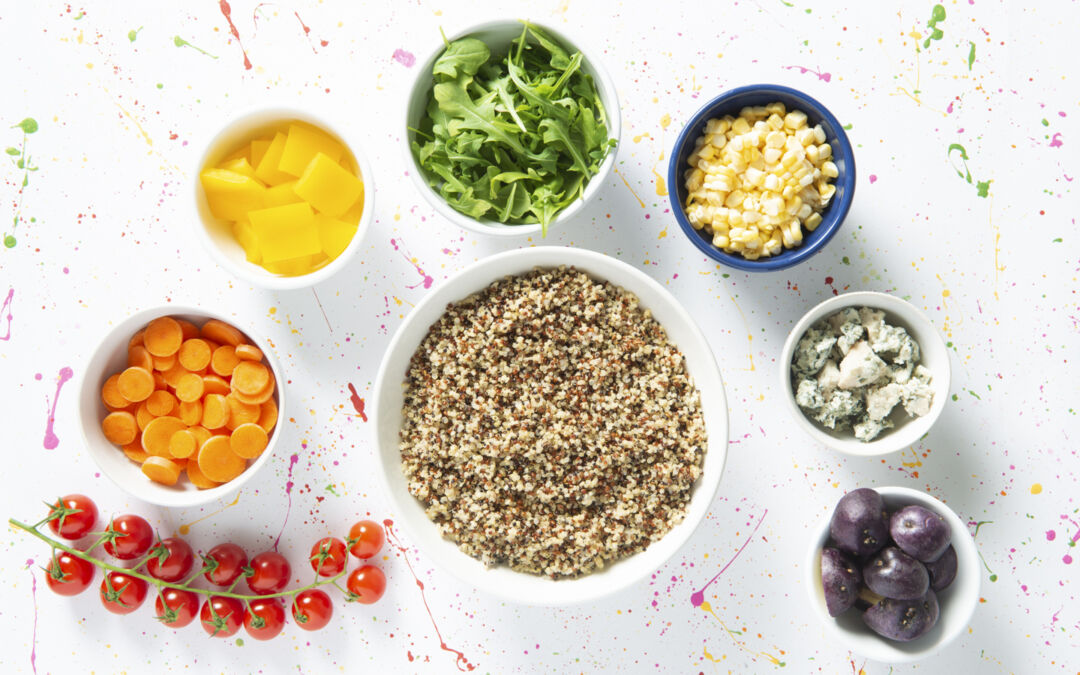
When carrots are still crisp, herbs still fragrant, and spices recently ground, every bite carries more depth. A simple tomato salad can taste surprisingly complex when the tomatoes were ripened on the vine only a day earlier.
Improved Nutritional Value
Whole foods arrive with their vitamins, minerals, and protective plant compounds intact. Quick, gentle preparation keeps those gifts intact, turning an everyday meal into a quiet investment in long-term vitality.
Health Benefits
Patterns that revolve around vegetables, fruits, legumes, and lean proteins are consistently linked to steadier energy, easier weight management, and lower markers of common chronic conditions.
Sustainability
Choosing items that travel shorter distances and arrive during their natural harvest window reduces strain on transport systems and supports nearby growers.
Implementing Ingredient-Focused Cooking
Planning and Shopping
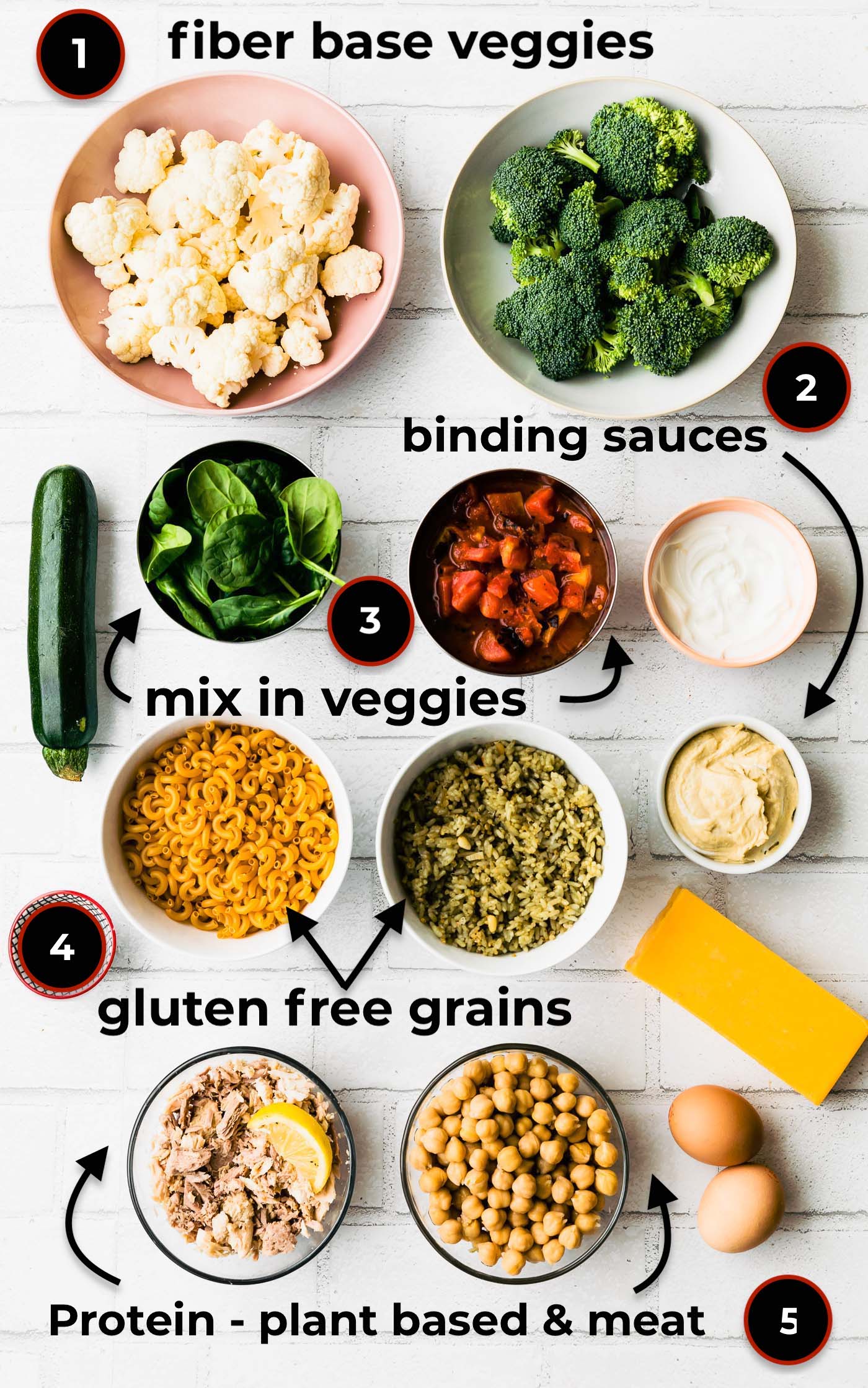
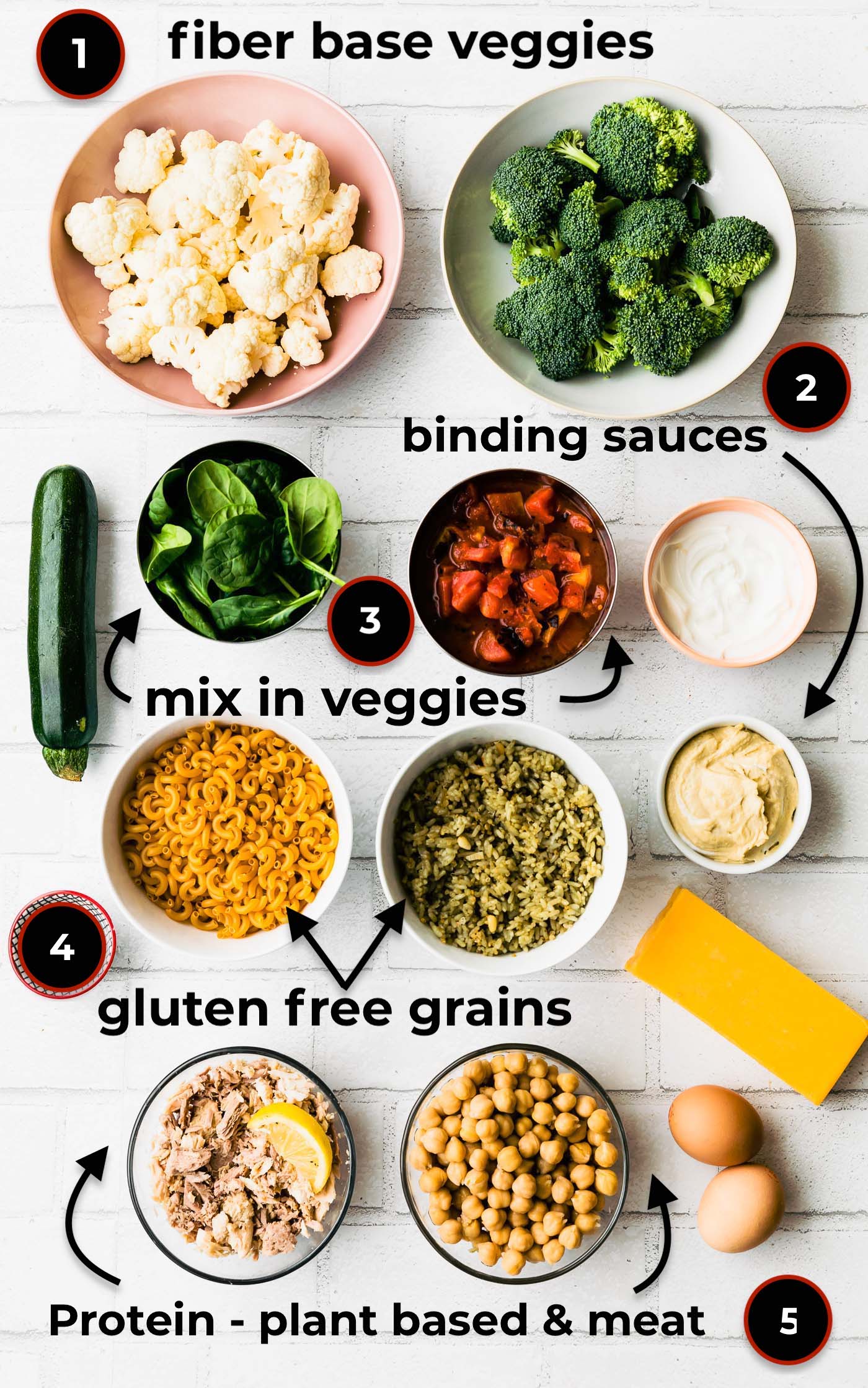
Begin with a loose weekly outline: note what you already have, fill in the gaps with perishables first, and keep a pantry of versatile staples such as dried beans, brown rice, and canned fish. At the market, stay on the perimeter where fresh items live, and read labels briefly to avoid heavily altered products.
Cooking Techniques
Steaming, grilling, quick sautéing, and sheet-pan roasting preserve both flavor and nutrients. A hot pan, a splash of oil, a sprinkle of salt, and a squeeze of citrus can finish many dishes in minutes.
Seasonal Ingredients
Let the calendar suggest dinner: asparagus in spring, berries in summer, squash in autumn, citrus in winter. Eating this way keeps menus lively and grocery bills lighter when produce is abundant.
Challenges and Solutions
Fresh foods can feel pricey or time-sensitive. Three tactics help:
1. Plan and shop with intention: build meals around overlapping ingredients so nothing lingers long enough to wilt.
2. Grow a little: a pot of parsley or a balcony tomato plant provides reliable accents for pennies.

3. Buy staples in larger bags: whole grains, nuts, and seeds keep for months in airtight jars and form the base of countless bowls and salads.
Conclusion
Putting whole foods at the center of the plate is a simple yet powerful shift. It deepens flavor, supports well-being, and lightens environmental impact. With a bit of weekly foresight and a handful of trusted techniques, anyone can turn the daily meal into a celebration of what nature already provides.
Future Research Directions
Questions worth exploring next include:

1. Long-term health patterns among households that consistently cook from scratch.
2. Ways traditional cuisines around the world already embody this philosophy and how those methods can be shared more widely.
3. Innovations in storage, packaging, and urban farming that keep high-quality produce accessible year-round.


