
Title: Discovering Global Flavors through an Interactive Culinary Map
Introduction:
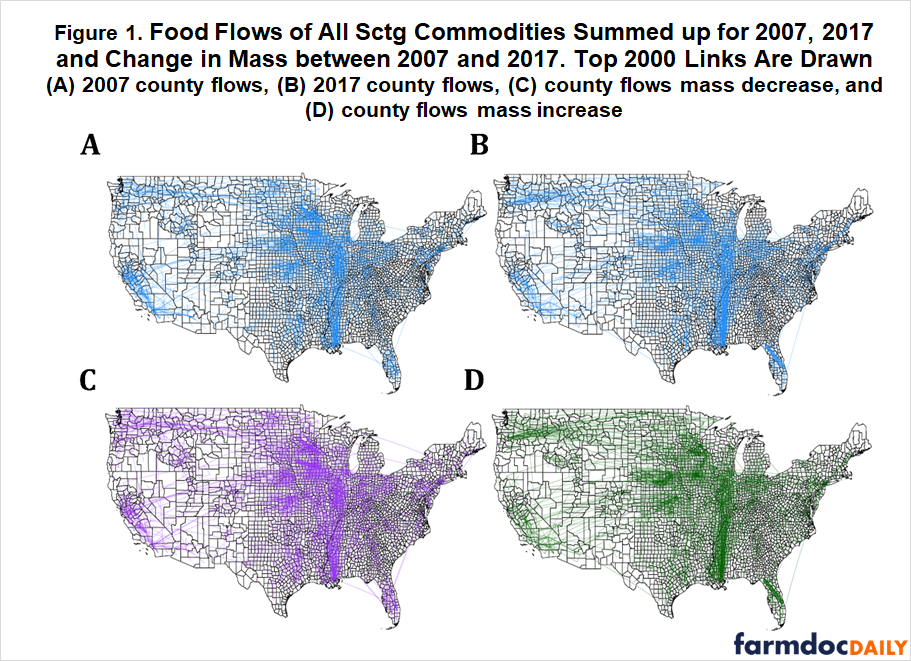
An interactive culinary map has quietly reshaped how home cooks and professionals alike explore world cuisine. By gathering recipes, ingredients, and regional stories in one visual space, it invites curiosity, sparks creativity, and celebrates the shared language of food. This article looks at why such a tool matters, how it influences modern kitchens, and the ways it nurtures both innovation and cross-cultural appreciation.
The Value of a Visual Food Atlas
A dynamic food atlas acts as a passport for the palate, guiding users through continents and neighborhoods without leaving the stove. Color-coded pins and short descriptions introduce iconic dishes, staple spices, and time-honored techniques, encouraging respectful curiosity about traditions that might otherwise remain unknown.
Equally important, the platform smooths the path between heritage recipes and contemporary twists. Cooks can compare a classic street-food snack with its modern plated version, noticing how new tools or local produce refresh old favorites while still honoring their roots.
Influence on Modern Gastronomy
Chefs increasingly browse these maps for seasonal inspiration, tracing ingredient trails that lead to unexpected pairings. Because the resource is open to everyone, experimentation is no longer limited to elite kitchens; a college student with a single pan can join the exploration.
The same guides boost culinary travel. Highlighting signature bites from coastal towns or mountain villages entices visitors to taste in context, supporting small eateries, markets, and family-run farms along the way.
Celebrating Distinct Traditions
Zooming in reveals micro-cultures of taste: one valley prefers smoky peppers, the next prizes tart berries. Short vignettes explain why certain crops thrive or how festive occasions shape menus, preserving stories that rarely make it into cookbooks.
Users might learn about hand-stretched noodles perfected over centuries, or discover why a particular herb is added at the very end of cooking. Each tidbit invites further research and, more importantly, respectful recreation at home.
Sparking New Creations
By placing global pantry staples side by side, the map invites playful mash-ups. A traditional stew might meet a distant cousin’s spice blend, producing an entirely new comfort dish while keeping sustainability in mind—emphasizing what grows nearby and what travels lightly.
Shared comment threads let cooks refine these experiments together, building an informal network where tips on fermentation, zero-waste hacks, and flavor swaps circulate freely.
Building Bridges across Cultures
Food is an approachable ambassador. When users follow a recipe born in another climate, they also absorb notes on hospitality, celebration, and daily rhythm. Exchanging feedback afterward continues the dialogue, replacing distance with shared pride in a successful loaf or curry.
Over time, repeated small interactions foster empathy. Recognizing the care behind someone else’s grandmother’s dumplings makes larger cultural conversations easier, one meal at a time.
Conclusion:
This evolving culinary map is more than a novelty; it is a living archive that safeguards heritage while making room for tomorrow’s interpretations. By encouraging respectful discovery, sustainable choices, and friendly collaboration, it reminds us that every ingredient carries a story—and every kitchen can become a meeting place for the world.