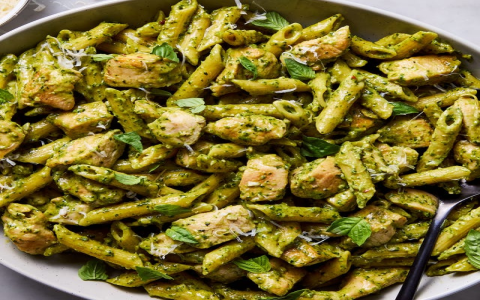

The Power of Food Photography: Elevating Culinary Discovery and Learning
Introduction
In today’s digital world, the way we absorb information keeps shifting. Visual material—especially photographs—has become a key resource across many fields, and the kitchen is no exception. Pictures that accompany recipes spark curiosity, clarify techniques, and invite experimentation. This article explores why such imagery matters, how it influences home cooks, and the ways it can shape tomorrow’s culinary classrooms.
The Significance of Recipe Images
1. Instant Visual Appeal
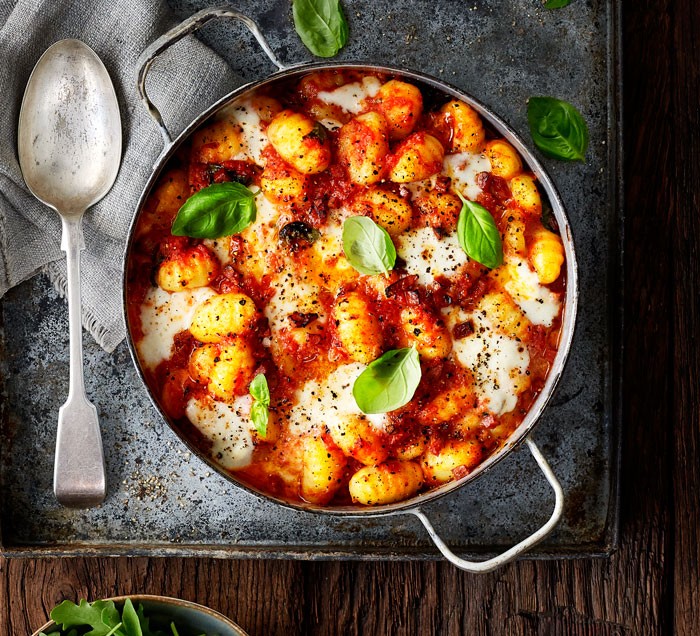
A well-shot dish grabs attention faster than words alone. Studies suggest the brain processes visuals in a fraction of the time it needs for text, so a single photo can draw viewers into the story of a recipe before they read a single line.
2. Stronger Recall and Clarity
Pairing instructions with photos helps lock steps into memory. When learners see what each stage should look like, they feel more confident about texture, color, and timing, reducing guesswork and mistakes.
3. Creative Spark
Attractive images encourage cooks to stray from routine. A vibrant picture of an unfamiliar stew or pastry can motivate someone to gather new spices or try an unfamiliar technique, turning the kitchen into a playground of flavors.
Impact on Cooking Enthusiasts
1. Gateway to Global Dishes
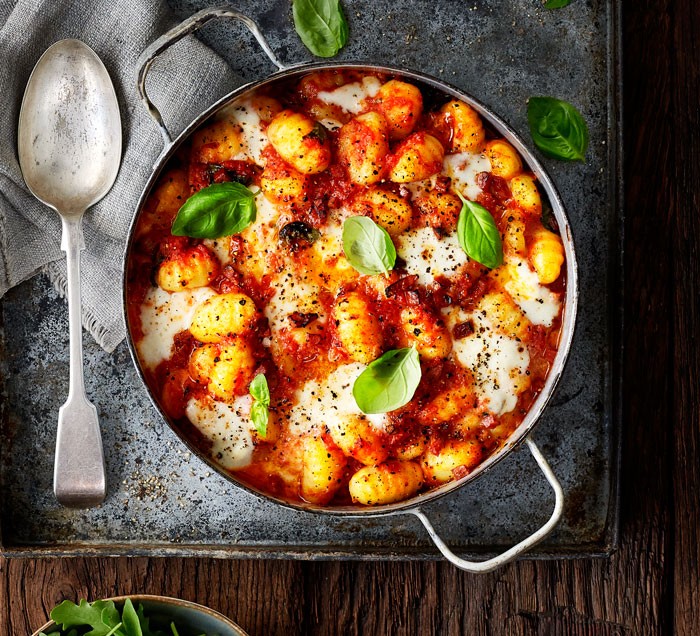
Online galleries open windows to world cuisines. From a quick weeknight stir-fry to an elaborate holiday bread, photos make distant recipes feel approachable and worth the effort.
2. Smoother Learning Curve
Seeing the “before and after” of dough, sauce, or grill marks shortens the learning curve. Visual cues act like a silent mentor, guiding novices through each chop, fold, or simmer.
3. Community and Connection
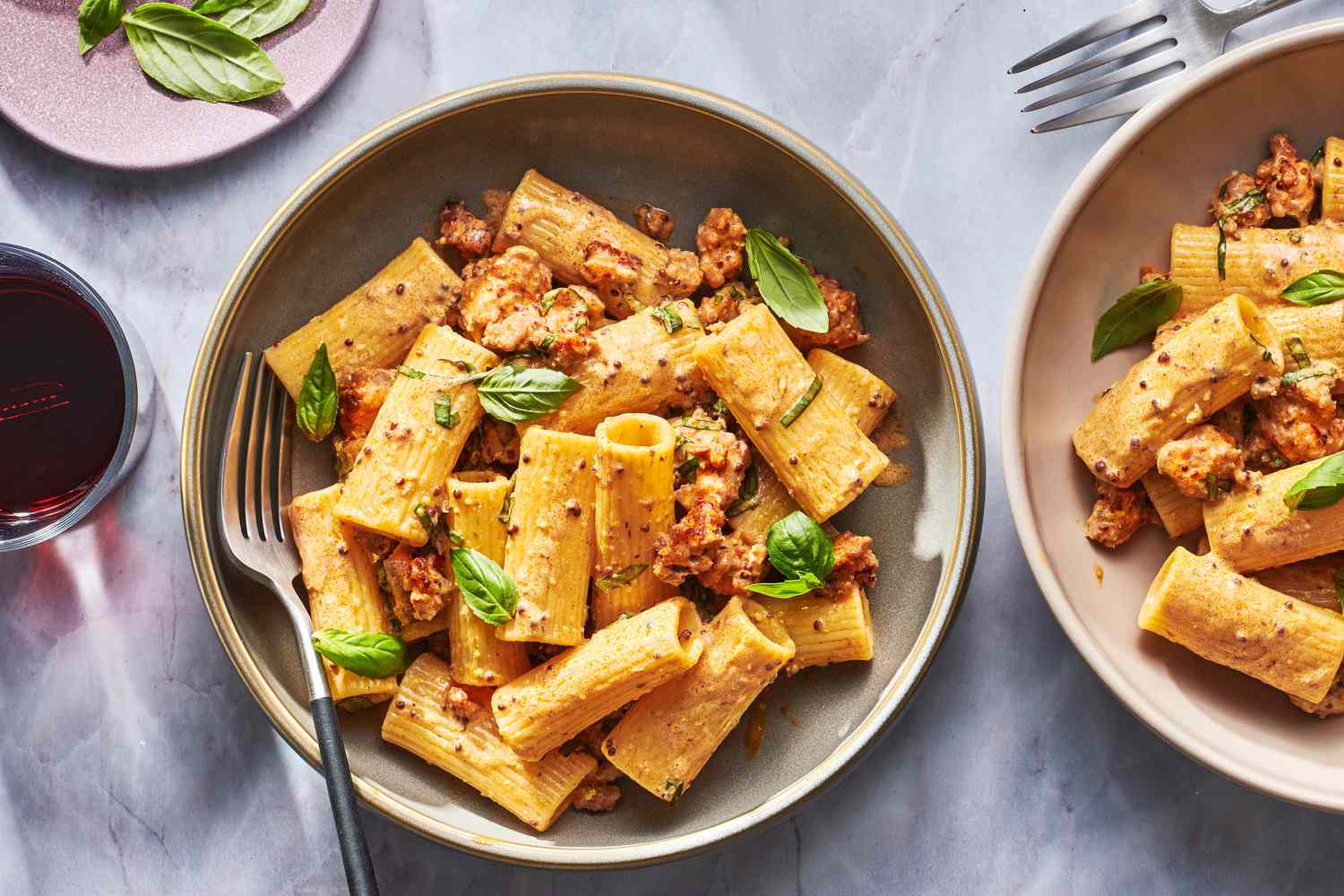
Sharing food photos builds bridges. Posting a snapshot of tonight’s creation invites feedback, swaps tips, and celebrates small victories with a like-minded circle that stretches across continents.
Potential in Shaping the Future of Culinary Education
1. Interactive Lessons
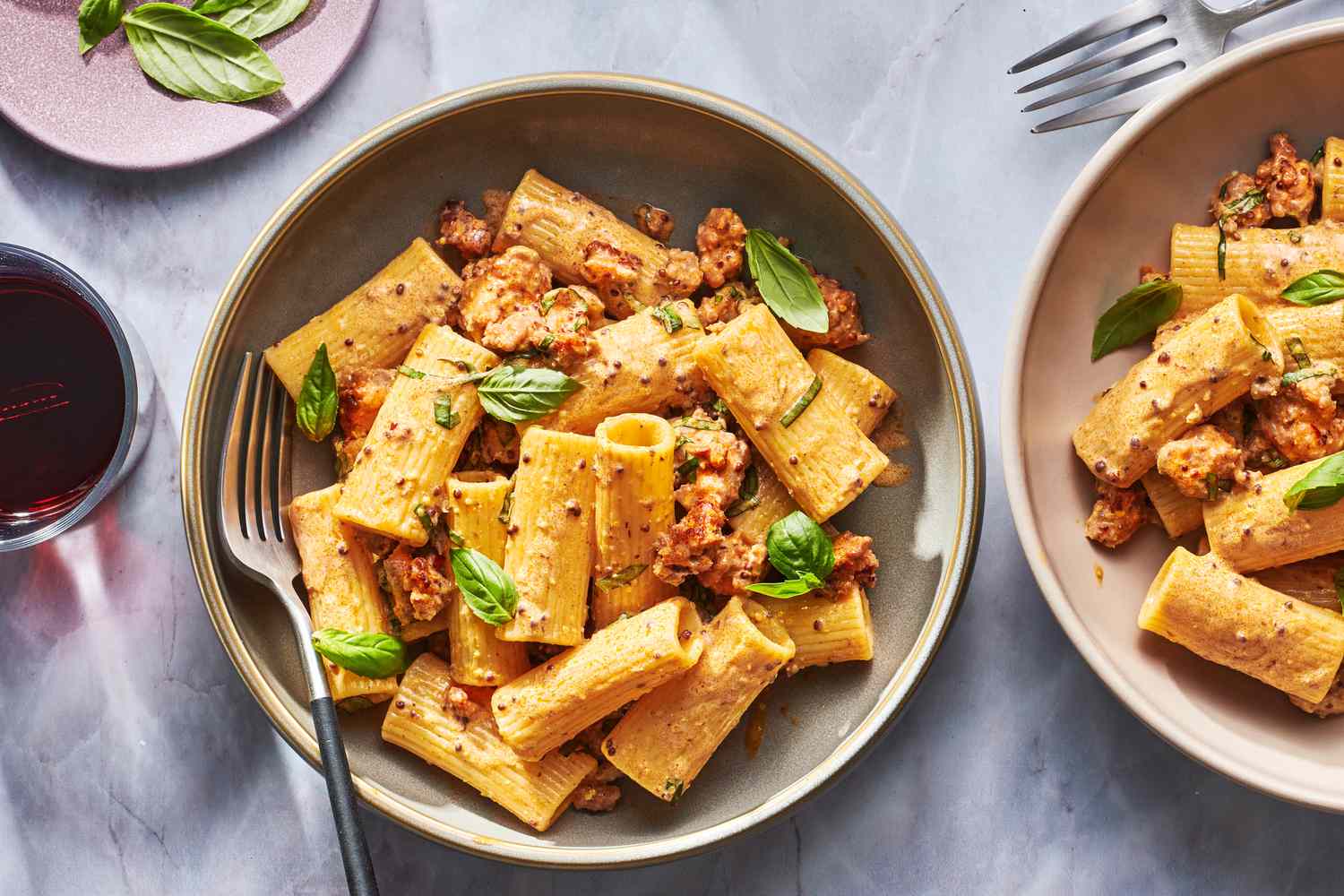
Digital textbooks and apps can embed step-by-step photo sequences that students swipe through at their own pace, turning passive reading into an active, visual workshop.
2. Tailored Instruction
Instructors can choose image-heavy or text-heavy versions of the same module, matching individual learning preferences and helping every student progress with confidence.
3. Worldwide Classroom
When schools share recipe photos across borders, students discover how one ingredient can star in countless cultural interpretations, fostering respect and curiosity for global traditions.
Conclusion
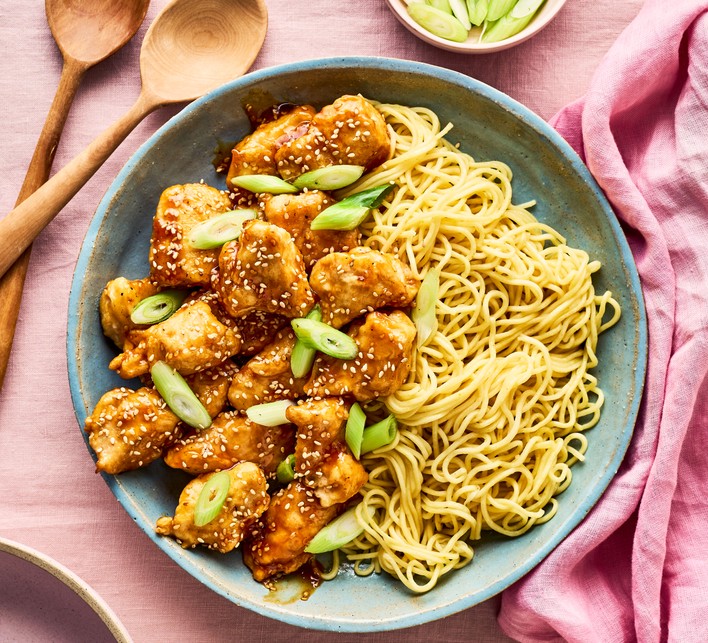
Recipe imagery is more than decoration; it is a teaching tool, a creativity booster, and a universal language for food lovers. As technology advances, the role of photos in culinary exploration will only expand. Embracing this visual edge opens fresh pathways for learning, sharing, and savoring the endless stories told through food.
Recommendations and Future Research
To make the most of recipe photography, consider these steps:
1. Build interactive platforms where each tap reveals a new photo-rich technique.
2. Weave high-quality images into lesson plans so students see, then do.
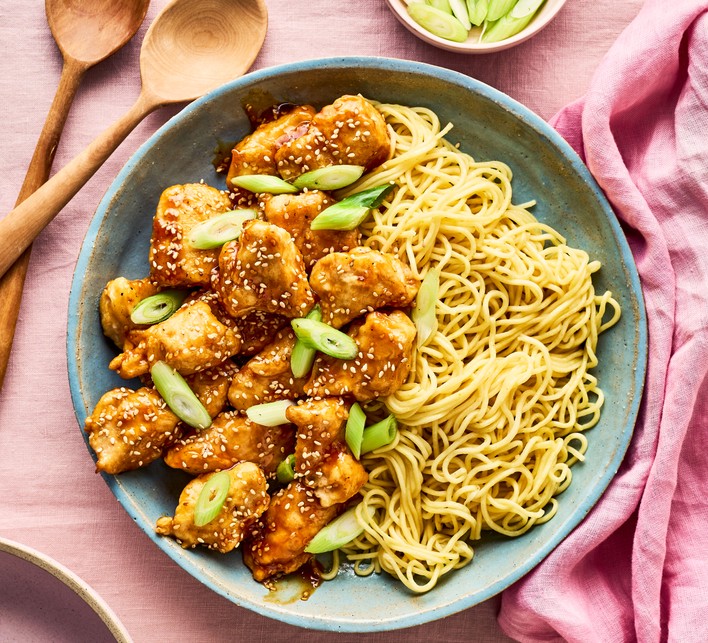
3. Encourage educators and learners to publish their own shots, cultivating a lively, supportive network.
Upcoming studies could explore:
1. How consistent visual prompts influence creative risk-taking in the kitchen.
2. The best ratio of images to text for different age groups and skill levels.
3. Ways photo exchanges can deepen appreciation for culinary heritage and sustainable practices.