
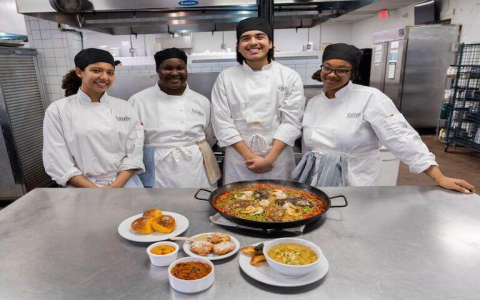

The Art and Science of Food and Cooking: Exploring the Culinary Universe
Introduction
Food and cooking have shaped human life since prehistoric eras. From ancient fireside meals to today’s refined kitchens, the way we transform raw ingredients has continually changed. This article surveys the broad landscape of food and cooking, tracing its history, cultural meaning, nutritional value, and the science that turns heat and herbs into flavor. By looking at these layers, we gain a clearer picture of why cooking remains central to daily experience.
The Historical Evolution of Food and Cooking
Early Beginnings
Archaeological evidence shows that once people learned to control fire, they began roasting tubers and meats, making food safer and easier to chew. Agriculture soon followed, encouraging settled communities to experiment with grains, pulses, and fermentation. These first culinary steps laid the groundwork for every cuisine that followed.

Medieval and Renaissance Periods
Trade caravans and sea routes carried spices, sugar, and citrus across continents, inspiring cooks to blend unfamiliar flavors with local produce. Hand-copied recipe collections appeared in monasteries and courts, refining techniques such as pastry-making and sauce reduction. The rise of printed books later spread these ideas beyond palace walls, standardizing methods that are still practiced.
Modern Era
Refrigeration, rapid transport, and digital communication have widened the pantry to a planetary scale. Home cooks now simmer Korean chili paste in European stews or fold Italian pasta into Mexican soups. Meanwhile, laboratory-grown ingredients and plant-based proteins hint at new chapters yet to be written.
Cultural Significance of Food and Cooking
Food as a Reflection of Culture
A single dish can speak volumes about climate, belief, and memory. Fermented cabbage recalls cold winters in Northern Europe; delicate steamed dumplings echo festive gatherings across East Asia. Shared meals reinforce identity, turning grandparents, neighbors, and newcomers into one temporary family around the table.
Food and Social Status
Throughout history, rare spices or elaborate centerpieces have signaled wealth and influence. Today, the same impulse appears in limited-edition ingredients or months-long waiting lists for acclaimed restaurants, reminding us that what we eat often says as much about social aspirations as about hunger.

Nutritional Aspects of Food and Cooking
Importance of Nutrients
Balanced meals supply proteins for repair, carbohydrates for energy, fats for satiety, and micronutrients for countless cellular tasks. Gentle cooking can unlock certain vitamins while neutralizing natural toxins, illustrating why the kitchen is both a culinary and a health laboratory.
Impact of Cooking Methods
Steaming retains water-soluble vitamins, grilling allows fat to drain away, and slow stewing softens tough fibers. Choosing the right technique for each ingredient maximizes flavor while preserving nutritional value, turning everyday cooking into an act of preventive care.
The Science of Food and Cooking
Chemical Reactions in Cooking
Heat triggers the Maillard reaction, creating the nutty aroma of toasted bread and seared steak. Meanwhile, acids brighten color, alkalis speed browning, and enzymes tenderize meat. Understanding these reactions lets cooks repeat successes and avoid disappointments.
Texture and Flavor
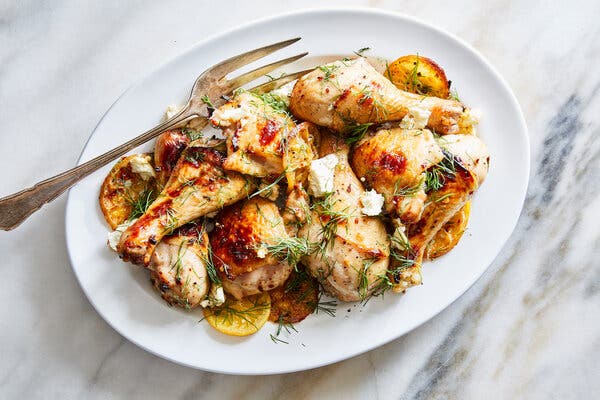
Crisp crusts, silky sauces, and airy foams arise from precise control of temperature, timing, and ingredient ratios. A splash of vinegar can sharpen taste, while natural emulsifiers in egg yolk bind oil and water into creamy harmony, proving that great texture is as important as bold seasoning.
Conclusion
Food and cooking weave together biology, culture, and creativity. By learning the stories behind ingredients and the science behind transformations, we become more confident cooks and more mindful eaters. The journey is far from over; every meal is an invitation to experiment, share, and savor.
Recommendations and Future Research
To deepen our appreciation of food and cooking, continued exploration is encouraged in the following areas:
1. Comparative studies on how different heat levels and durations affect nutrient retention.
2. Investigations into the psychological benefits of communal cooking and shared meals.
3. Development of sustainable practices that reduce waste while maintaining flavor and nutrition.
By focusing on these topics, we can ensure that the kitchen remains a place of discovery, well-being, and connection for future generations.


