

Chili Nutrition Overview: A Balanced Guide
Introduction
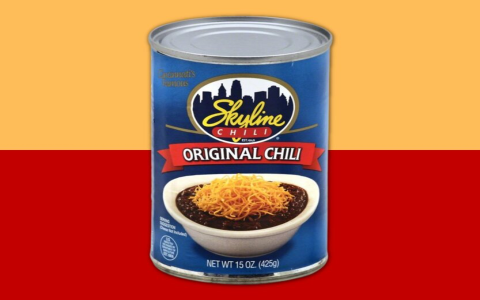
A well-known regional chili has earned a loyal following for its bold flavor and comforting texture. As more diners pay attention to what they eat, it is helpful to examine what a typical bowl contains. This overview looks at common ingredients, nutrient ranges, and simple ways to enjoy the dish while keeping overall wellness in mind.
Common Ingredients
Most recipes start with a tomato base, beans, ground meat, and a spice blend that usually includes cumin, garlic, onion, and mild chili powder. The result is a thick, aromatic stew that tastes rich without relying on heavy sauces.
Chili powder itself is a mix of dried peppers and complementary seasonings such as oregano and a pinch of salt. When balanced carefully, it gives the stew its warm, smoky depth without overwhelming heat.
General Nutrient Profile
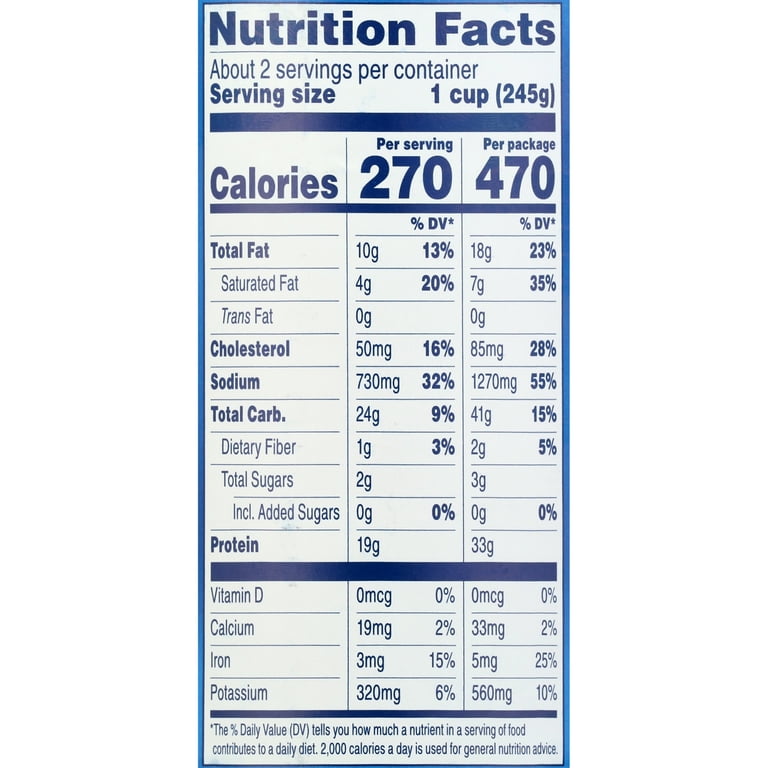
A standard restaurant cup of chili can deliver roughly 400–500 calories, though the exact number shifts with toppings and portion size. Much of the energy comes from protein and complex carbohydrates, while fat content stays moderate unless extra cheese or sour cream is added.
Protein often falls between 20 g and 30 g per serving, supplied by beans and meat. Carbohydrates hover around 40 g to 50 g, chiefly from beans, tomatoes, and vegetables. Fiber regularly reaches 10 g or more, supporting digestion and steady energy.
Health Considerations
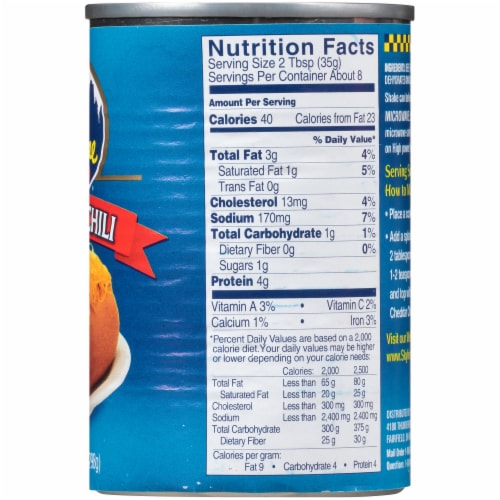
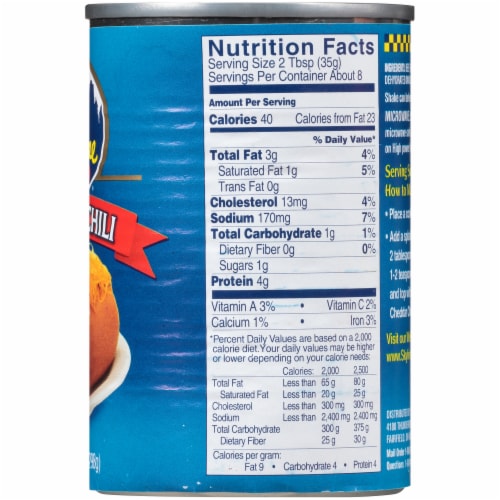
Like many savory foods, chili can be high in sodium, so anyone watching salt intake may want to request a smaller ladle or share a bowl. On the plus side, the combination of protein and fiber helps curb hunger, making it easier to avoid random snacking later.
When toppings such as shredded cheese or creamy sides are skipped or used sparingly, the meal fits easily into most balanced eating plans. Pairing the chili with a side salad or whole-grain bread can round out the plate with extra vitamins and minerals.
How It Compares
Compared with lighter homemade versions, restaurant chili often carries more calories and sodium because of larger portions and seasoning choices. Swapping in extra beans for some of the meat, or stirring in diced peppers and corn, is an easy way to boost volume and nutrients without piling on calories.
Sample Numbers at a Glance

A generous two-cup serving of classic chili, before toppings, typically provides:
– Calories: about 600
– Total Fat: 30 g
– Saturated Fat: 12 g
– Cholesterol: 50 mg

– Sodium: 1,400 mg
– Carbohydrates: 45 g
– Fiber: 10 g
– Sugars: 6 g
– Protein: 25 g
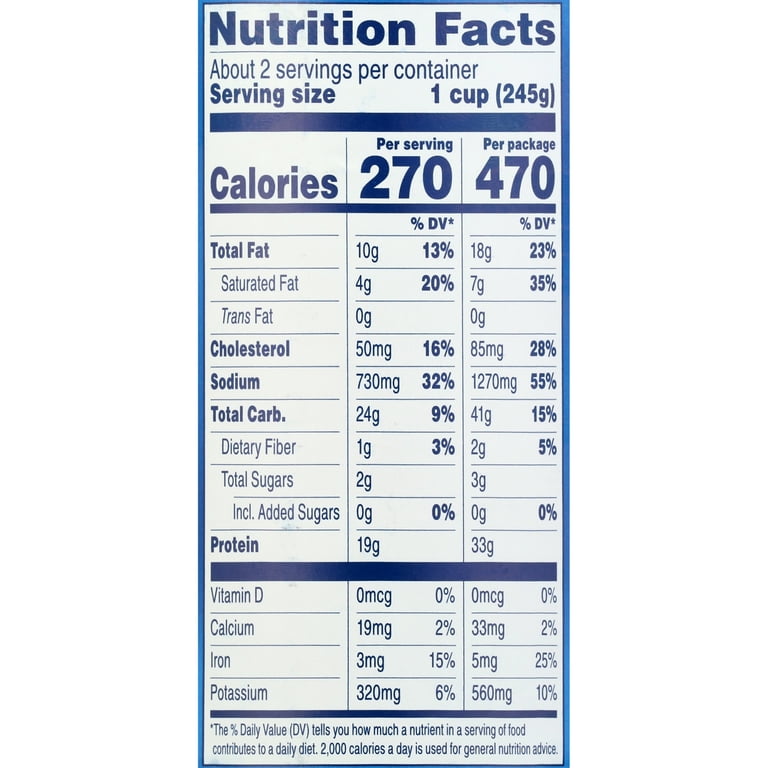
These figures shift lower when cheese, crackers, or creamy add-ons are left off.
Final Thoughts
Chili can be a hearty, nutrient-dense choice when enjoyed thoughtfully. Paying attention to portion size, limiting high-sodium extras, and adding fresh vegetables on the side keeps the meal both satisfying and health-conscious.
Simple Tips for Lighter Bowls
Ask for a half-portion, load up on veggie toppings, or take half to go. At home, rinse canned beans to cut sodium, choose lean meats or extra beans, and simmer with plenty of herbs for flavor instead of salt.
Exploring new spice blends and colorful produce can keep future pots exciting while supporting long-term wellness goals.


