
Creative Menu Concepts for Restaurants: Elevating the Dining Experience
Introduction
The restaurant world moves fast, and guests always look for fresh flavors and memorable moments. To keep pace, chefs and owners need imaginative dishes that spark curiosity and invite return visits. This overview presents practical ways to refresh any menu while staying true to the kitchen’s identity.
Why Distinctive Dishes Matter
A menu that never changes can feel stale, even to loyal guests. Unique plates set a venue apart, start conversations on social media, and turn first-time visitors into regulars who bring friends.
What Diners Want
Surveys show that a clear majority of guests are drawn to restaurants that surprise them with original offerings. Limited-time specials or signature twists on classics create the sense that something exciting might be discovered on every visit.
Ideas Inspired by Current Tastes
Staying relevant means watching what people crave right now. Below are several directions any concept can adapt to its own style:
Vibrant Plant-Forward Choices
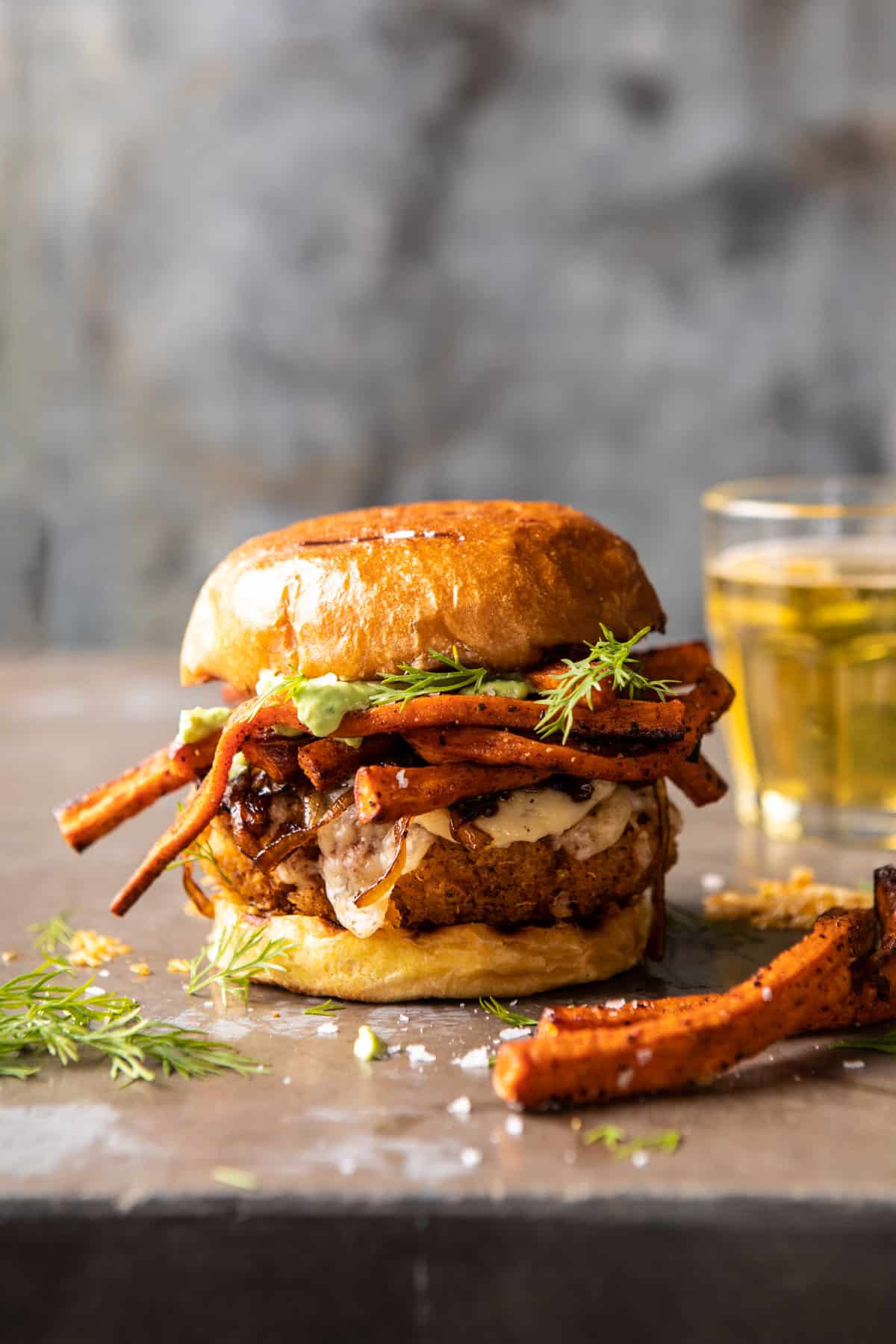
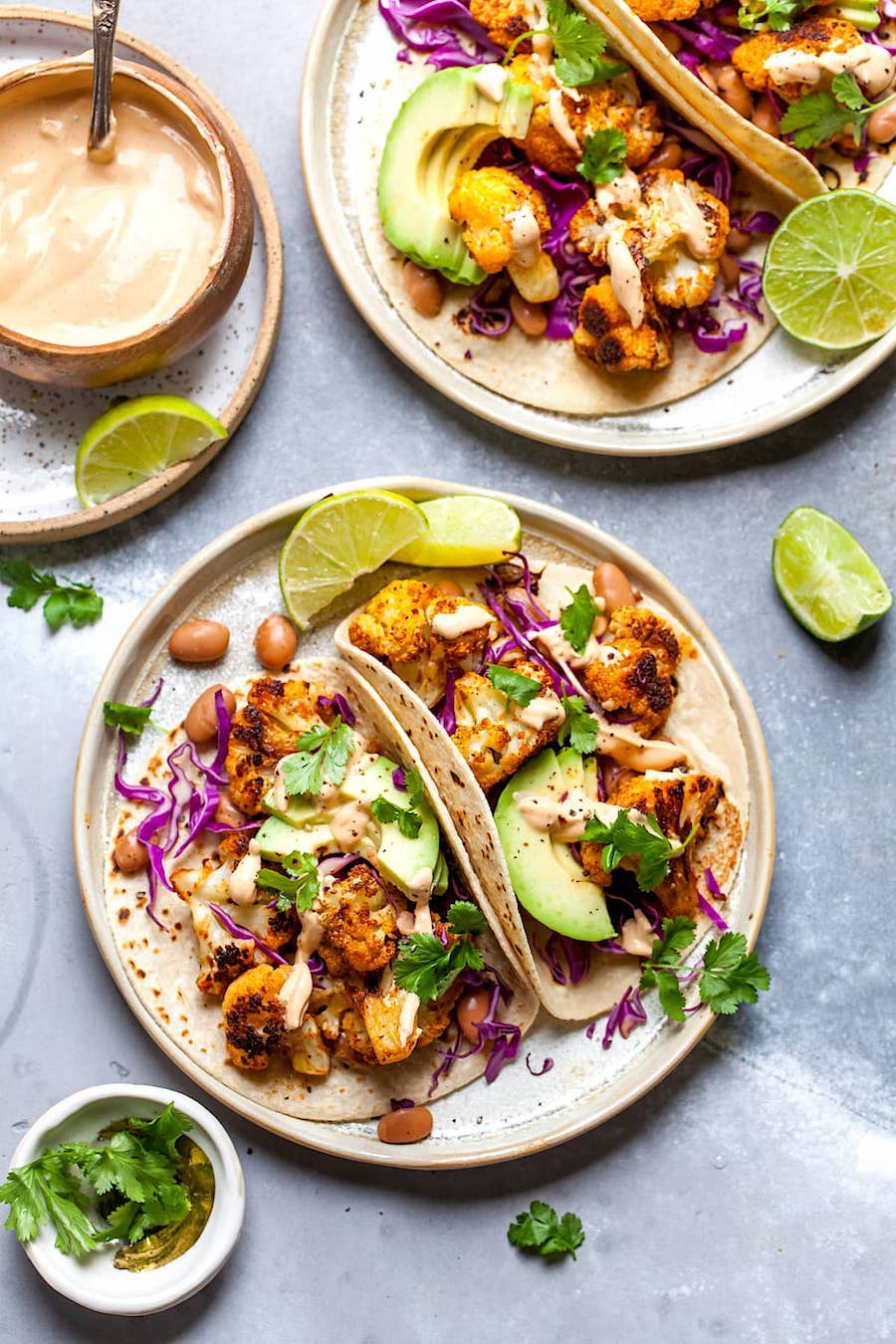
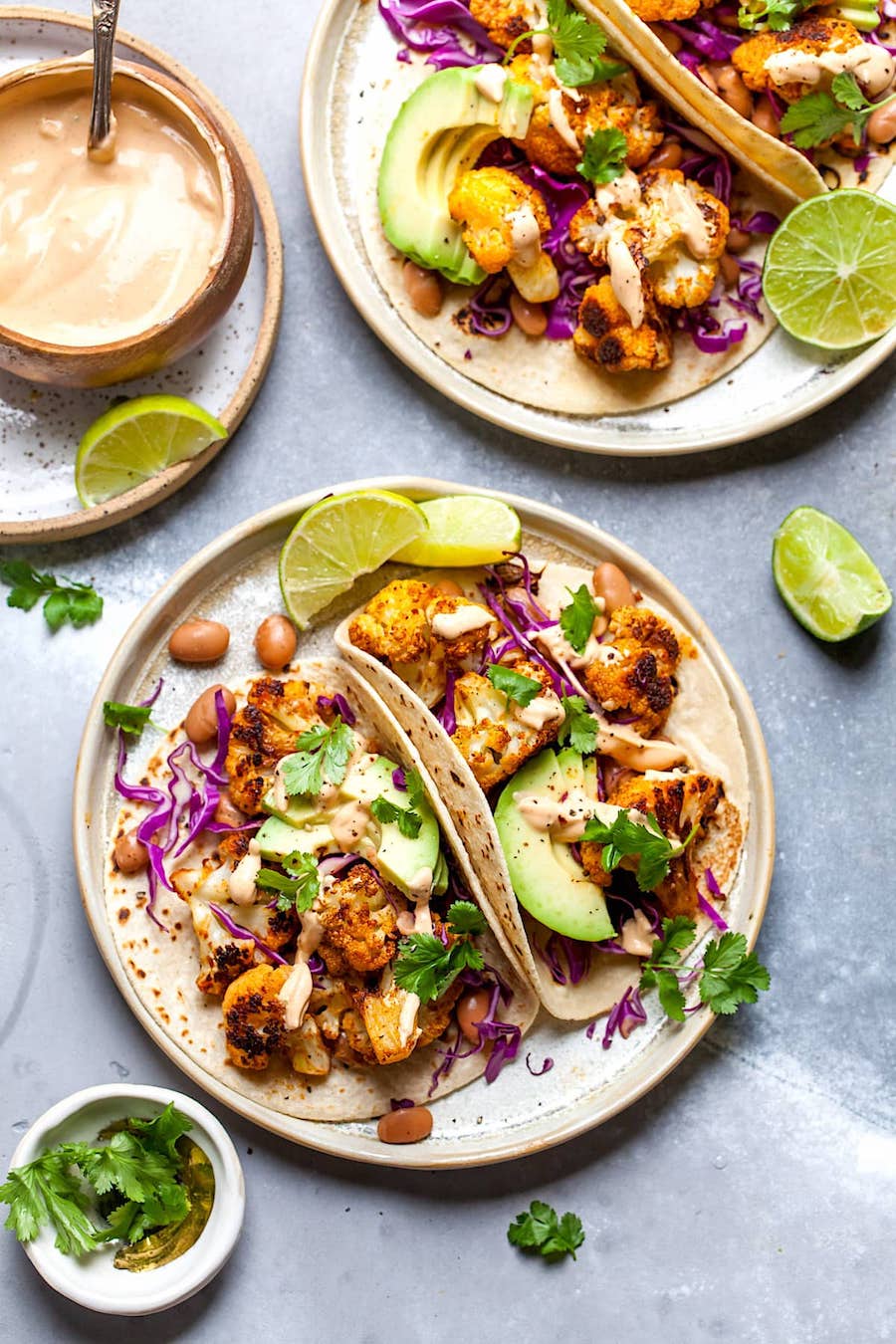
Vegetables, grains, and legumes can headline a plate when treated with the same creativity usually reserved for meat. Colorful bowls, house-smoked carrots, or cashew-cream pastas satisfy flexitarians and committed vegans alike.
Global Comforts
Travel-inspired flavors continue to captivate. A neighborhood bistro might fold Korean chili paste into meatloaf, while a café could serve Turkish-spiced shakshuka at brunch. Small touches from abroad keep menus fresh without overhauling the entire kitchen.
Lighter, Balanced Fare
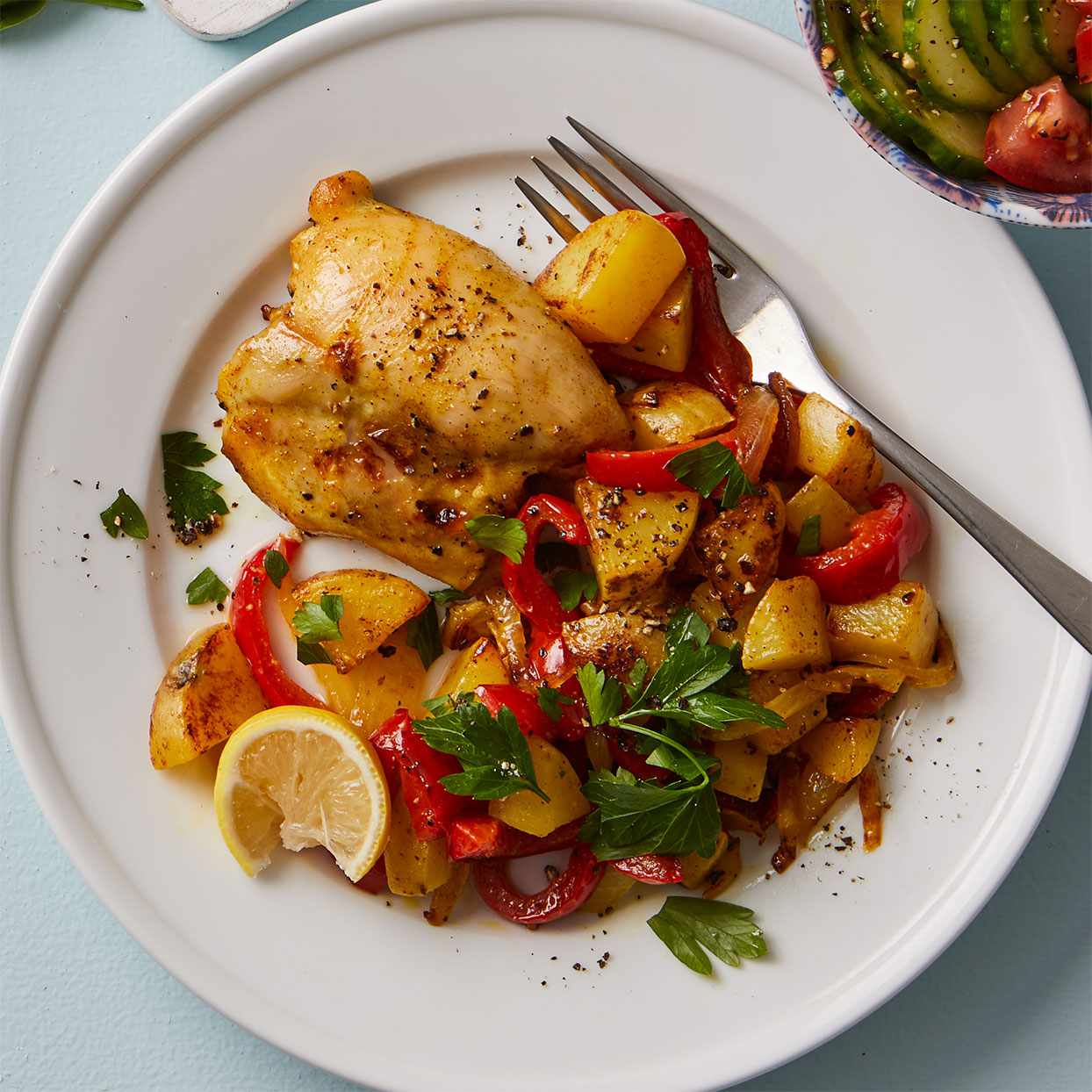
Many guests appreciate dishes that leave them energized rather than overly full. Steaming, grilling, and raw preparations highlight natural taste, and clear labeling of gluten-free or dairy-free options builds trust.
Seasonal and Local Thinking
Rotating ingredients with the calendar supports farmers and guarantees peak flavor. Two simple approaches work for any budget:
Quarterly Menu Tweaks
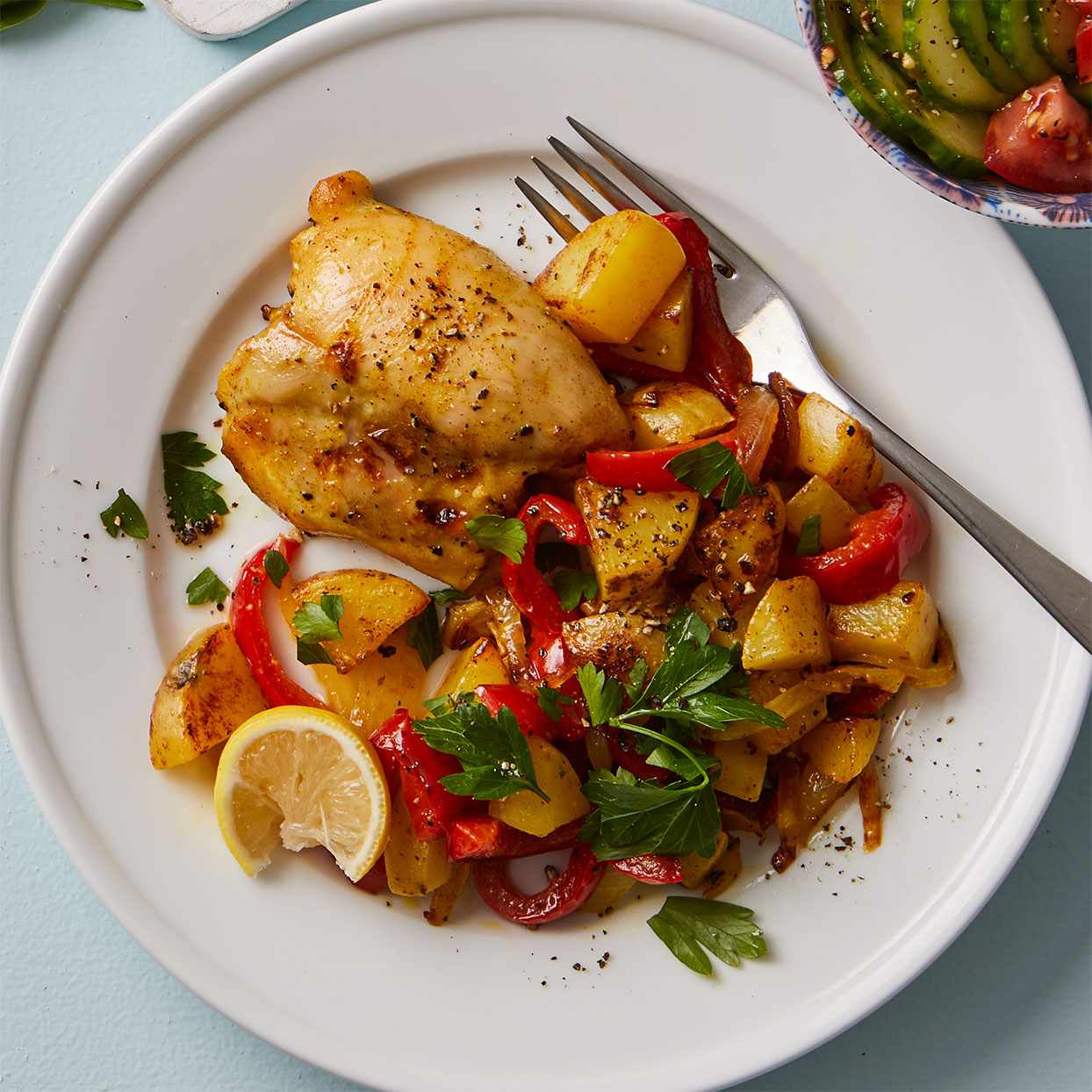
Swap in ripe tomatoes during summer, citrus in winter, and wild mushrooms in fall. Even one or two seasonal entrées signal attentiveness to quality.
Neighborhood Partnerships
Building rapport with nearby growers often leads to exclusive produce or collaborative dinners that celebrate the region. Guests enjoy the story behind their meal, and marketing practically writes itself.
Tech Touches That Delight
Thoughtful use of digital tools can deepen engagement without replacing human hospitality:
Smart Menus
Tablets or QR codes can reveal photos, sourcing notes, or suggested wine pairings, helping guests decide quickly and confidently.
Immersive Extras
Projection mapping on plates or short AR clips that explain a chef’s inspiration add theater suitable for special events or tasting menus.
Conclusion
Memorable food is only the beginning; pairing it with timely trends, responsible sourcing, and subtle technology creates a complete experience. Restaurants that experiment thoughtfully will keep their tables full and their reputations growing.
Next Steps and Ongoing Exploration
Operators ready to act can start with these manageable moves:
1. Host brief staff tastings to gather honest feedback on potential specials.
2. Map out a calendar of local harvests and plan menu swaps in advance.
3. Test one tech element—perhaps an Instagram-friendly plating video—before expanding.
Areas worth watching include the lasting influence of plant-centric eating on guest loyalty, cost-effective ways to deploy immersive tech, and how zero-waste cooking can inspire entirely new dishes. By staying curious, any restaurant can continue to surprise and satisfy the diners of tomorrow.