

The Diverse World of Global Cuisine: A Culinary Journey
Introduction
Food sits at the heart of every culture. Beyond simple nourishment, it shapes identities, fuels celebrations, and connects strangers around a shared table. Across continents, recipes evolve with landscapes, climates, and histories, creating an endless variety of flavors and stories. This article invites you to sample that richness, consider its cultural value, and discover the everyday benefits of eating widely.
The Significance of Culinary Variety
1. Cultural Significance
A dish can speak volumes about the people who created it. Island kitchens often highlight fresh seafood and bright citrus, mirroring abundant coasts and sunny groves. Mountain communities, on the other hand, may favor preserved meats and root vegetables, reflecting long winters and steep terrain. Each ingredient choice quietly records generations of adaptation and belief.
2. Social Impact
Meals turn gatherings into memories. Wedding banquets, street festivals, and neighborhood potlucks all rely on varied foods to break the ice and strengthen bonds. When guests taste an unfamiliar spice or cooking style, conversation flows, and differences feel smaller.
Exploring Regional Flavors
1. Asian Cuisine
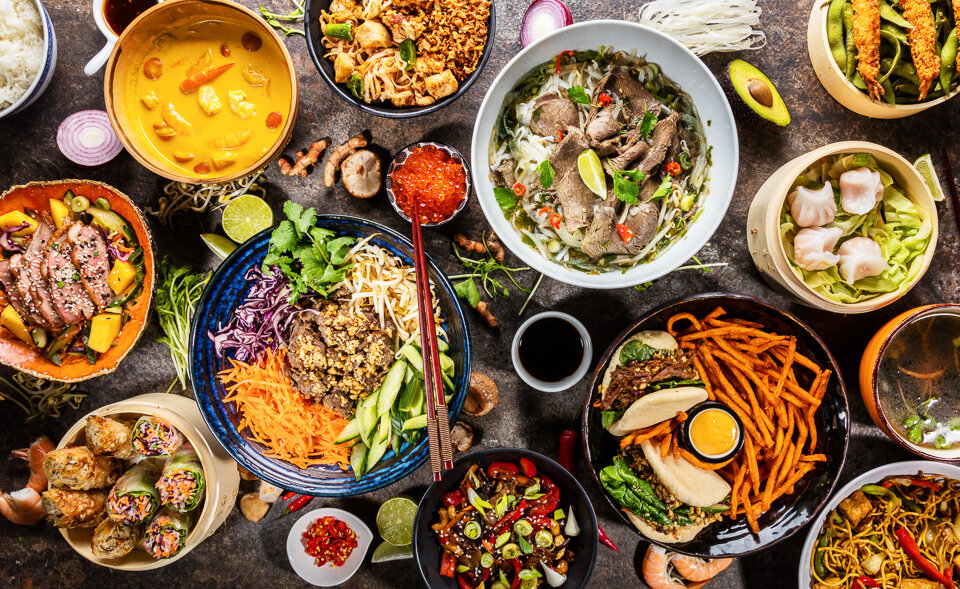
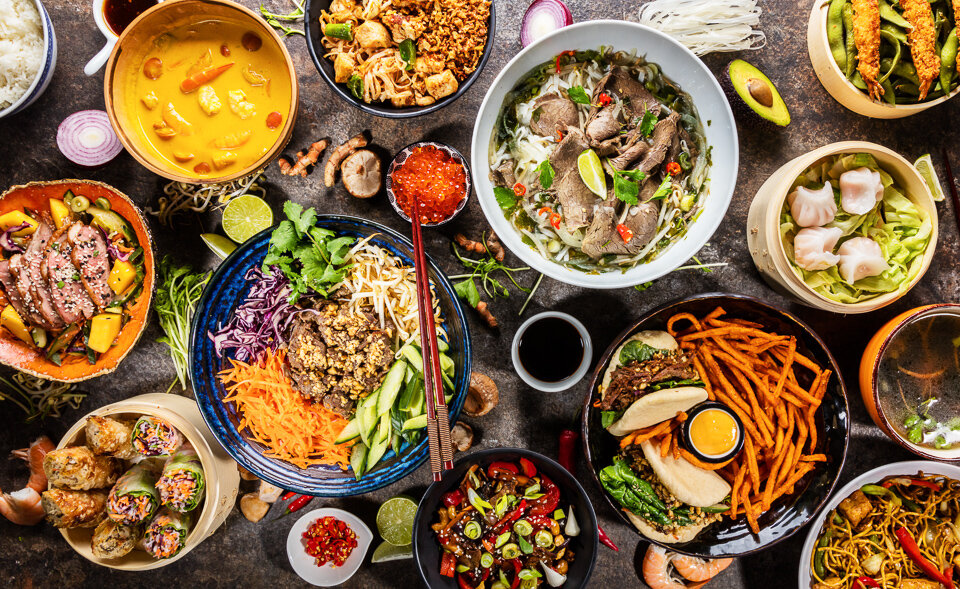
From fragrant noodle soups to delicate steamed parcels, Asian cooking balances heat, sourness, sweetness, and umami. Generous use of herbs such as lemongrass, basil, and ginger adds layers of aroma, while fermented sauces build depth. Many traditional plates also rely on seasonal produce, making meals naturally vibrant and nutrient-rich.
2. European Cuisine
Europe’s kitchens showcase time-honored techniques: slow braises, buttery pastries, and bright marinades. Olive groves, vineyards, and alpine dairies supply staples that vary from region to region, yielding everything from hearty stews to delicate desserts. Shared meals often stretch for hours, emphasizing conversation as much as consumption.
3. African Cuisine
Africa’s culinary map ranges from tagine-slowed meats to vegetarian platters built around lentils, okra, and teff. Spices like berbere and ras el hanout add warmth, while communal bowls encourage diners to eat together by hand, reinforcing unity and respect.
4. American Cuisine
The Americas blend Indigenous crops—corn, beans, squash—with influences brought by waves of newcomers. The result is a spectrum that includes sizzling street snacks, tropical fruit drinks, and farm-to-table salads. Constant innovation keeps plates exciting and reflective of ongoing cultural exchange.
Health Benefits of Eating Widely
1. Nutritional Diversity
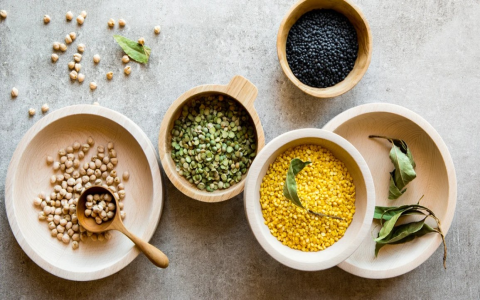
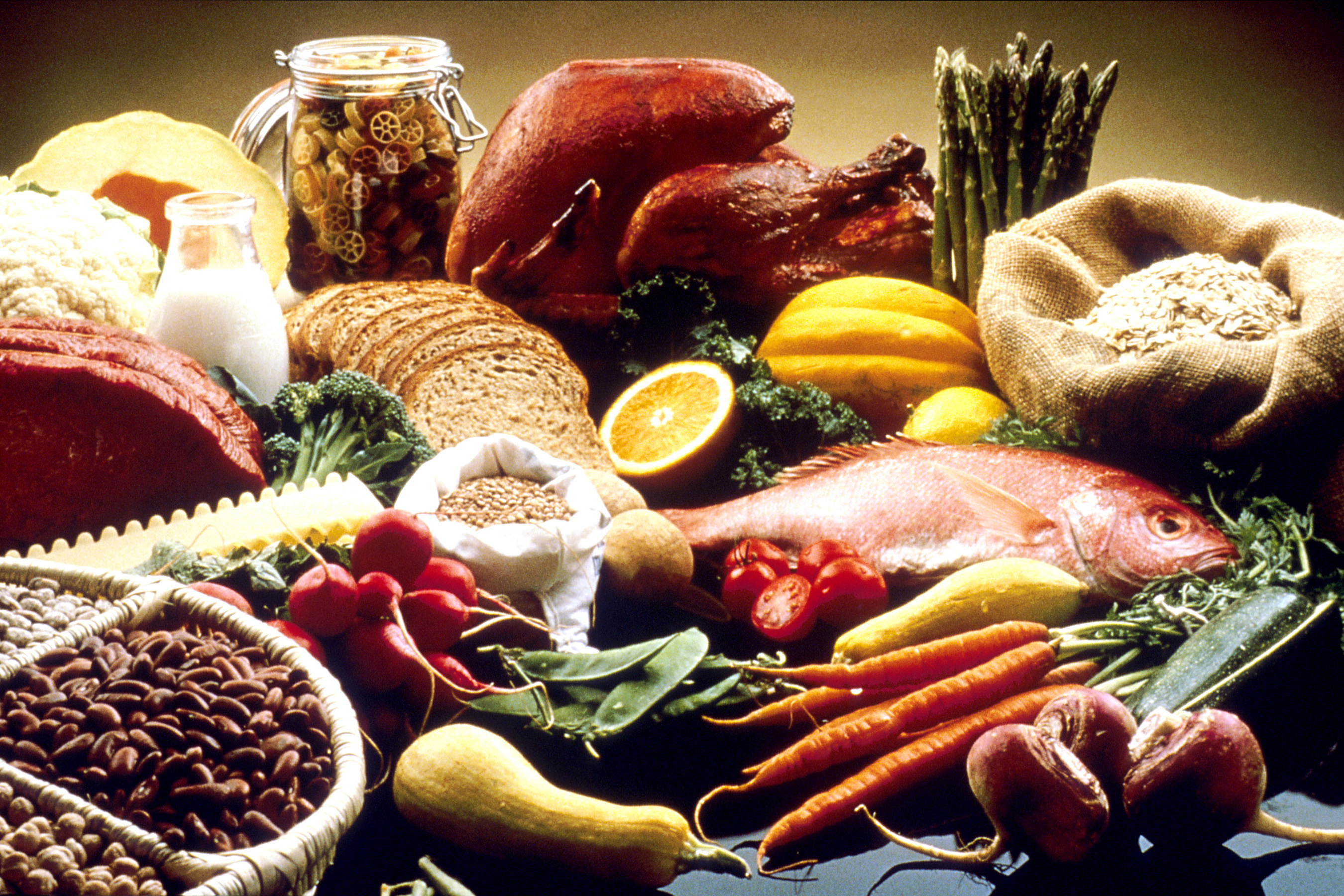
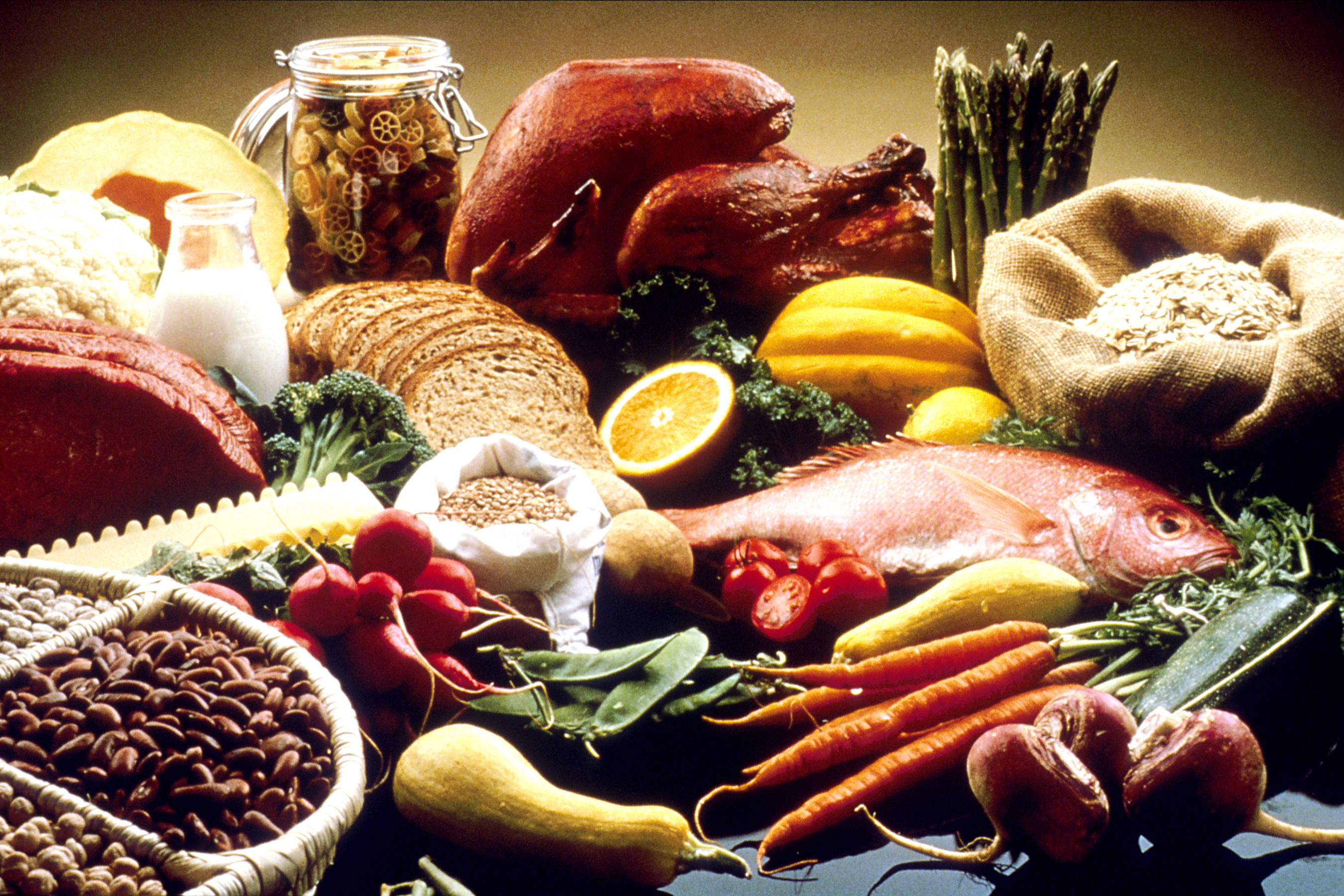
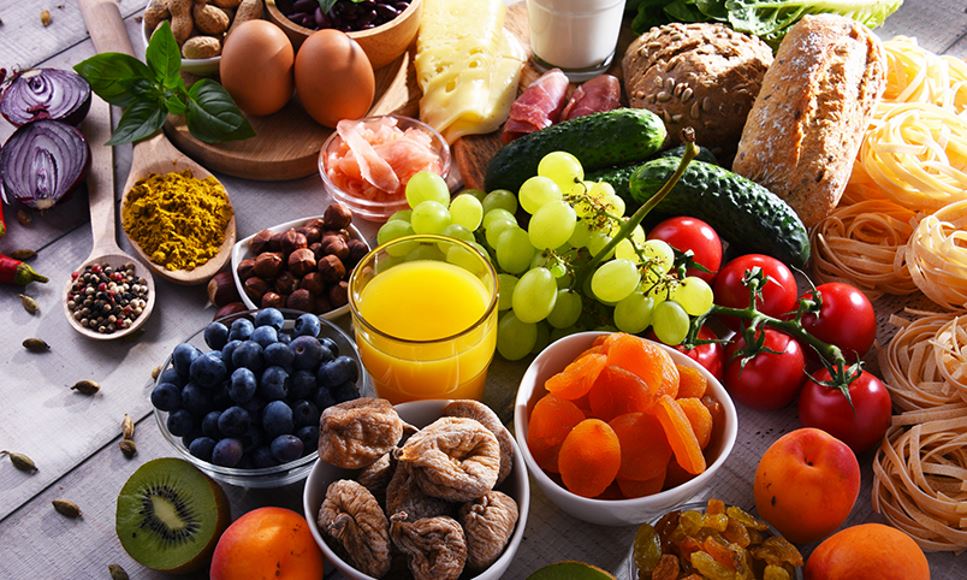
Rotating grains, proteins, fruits, and vegetables broadens the range of vitamins, minerals, and antioxidants the body receives. A colorful, varied plate is an easy step toward steady energy and long-term wellness.
2. Flavor and Enjoyment
Novel textures and seasonings keep meals interesting, encouraging mindful eating and reducing the temptation to over-snack on less nutritious options.
3. Cultural Appreciation
Tasting another culture’s comfort food can spark curiosity about its history and values, nurturing empathy and global awareness from the dinner table outward.
Conclusion
Global cuisine offers endless proof that creativity thrives when ingredients, landscapes, and stories meet. By welcoming new dishes into our kitchens, we celebrate difference, support well-being, and weave another thread into the shared fabric of human experience.
Recommendations and Future Research
To keep this culinary exchange vibrant:
1. Encourage school and community programs that teach traditional cooking techniques.
2. Choose diverse produce at markets to sustain small growers and preserve heirloom varieties.
3. Introduce rotating international menus in workplaces and cafeterias.
Future studies could explore:
1. How varied traditional diets influence modern health outcomes.
2. The role of food festivals in safeguarding intangible heritage.
3. Methods for sourcing ingredients ethically while protecting ecosystems.
By continuing to explore global flavors, we enrich daily life, deepen mutual respect, and help build a healthier, more connected future.


