
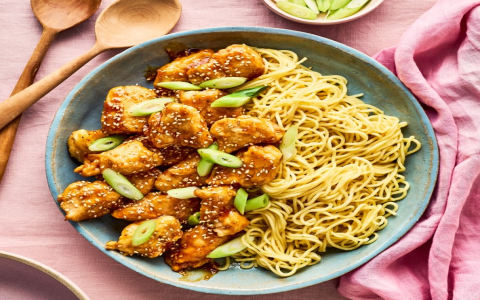

Homemade Foods to Make at Home: A Revival of Traditional Cooking
Introduction
In a time when ready-made meals dominate, more people are rediscovering the joy of cooking from scratch. This return to the kitchen is about more than taste: it nurtures well-being, reduces waste, and keeps family traditions alive. Below, we look at why homemade dishes matter, how they support health and the planet, and simple ways to overcome common obstacles.
The Importance of Homemade Foods
Preparing meals yourself puts you in charge of what goes on the plate. You can pick seasonal produce, whole grains, and spices you love, avoiding excess salt, sugar, or additives often hidden in packaged options.

Health Benefits
Home cooking usually means lighter, more balanced plates. Fresh ingredients and simpler recipes keep calories, fat, and sodium in check, while generous portions of vegetables and lean protein fill the meal with nutrients. Serving food yourself also makes it easier to listen to hunger cues and manage portion sizes, a key habit for steady energy and healthy weight.
Sustainability
Every homemade meal is a chance to cut waste. Shopping with reusable bags, storing leftovers in glass containers, and composting scraps all shrink the footprint of dinner. Buying local produce when possible further shortens travel miles and supports nearby growers.
The Role of Homemade Foods in Daily Life

Beyond nutrition, cooking at home shapes how we connect with others and express identity.
Fostering Family Bonds
Stirring sauce together or rolling dough turns routine prep into shared memories. Regular family meals invite conversation, strengthen trust, and give everyone a predictable moment to unwind.
Promoting Cultural Identity
Recipes handed down through generations carry stories in every bite. Whether it is a fragrant curry, handmade noodles, or a holiday bread, these dishes keep heritage present at the table and give younger relatives a tasty link to their roots.
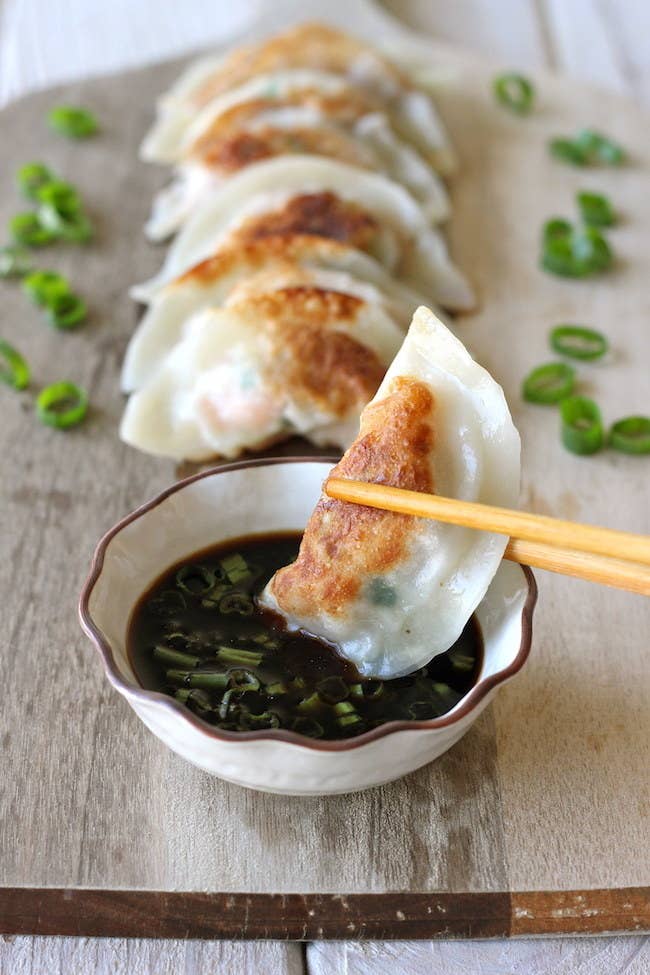
Challenges and Solutions
Despite the rewards, busy schedules, limited skills, or tight budgets can feel daunting. A few practical tweaks help.
Time Constraints
Batch-cook grains or stews on relaxed days, portion them into containers, and freeze. Slow cookers and pressure cookers also work while you handle other tasks, delivering tender results with minimal supervision.
Lack of Cooking Skills
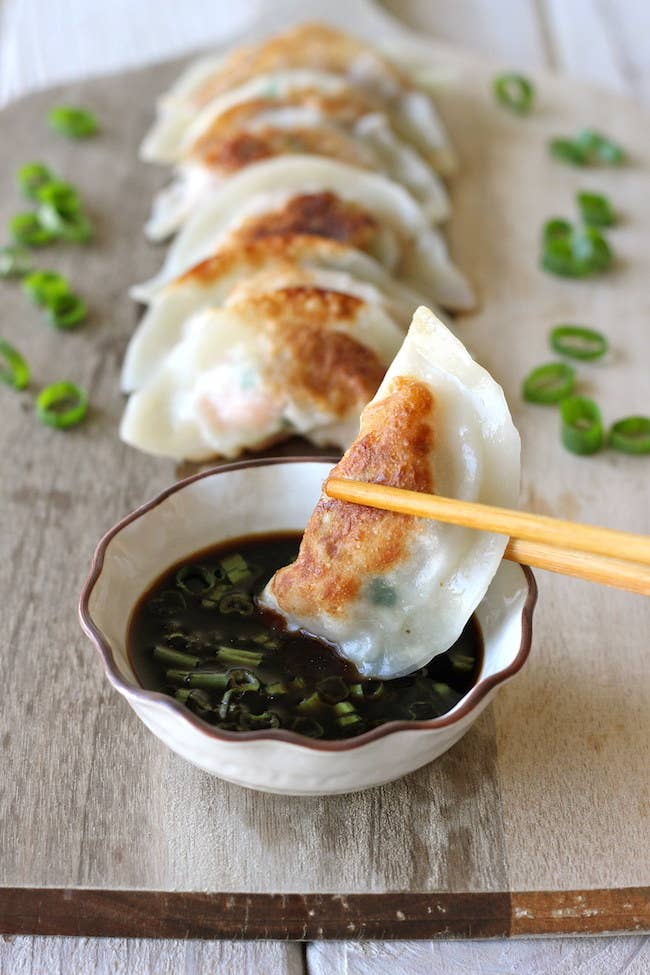
Start small: master one technique—say, roasting vegetables or sautéing greens—then build outward. Free videos, library cookbooks, and community classes offer step-by-step guidance, turning beginners into confident home chefs over time.
Cost of Fresh Ingredients
Plan meals around seasonal specials, buy staples like beans or rice in bulk, and keep a well-stocked spice rack to transform simple foods into exciting dishes. Using every part of an ingredient—broccoli stems in soup, herb stems in pesto—stretches grocery dollars further.
Conclusion
Making food at home is more than a nostalgic hobby; it is a practical path to healthier bodies, closer families, and a lighter environmental footprint. With a bit of planning and curiosity, anyone can enjoy the flavors and rewards of home cooking today and for years to come.

References
– Journal of Nutrition and Dietetics, general findings on nutrient density of home-cooked meals.
– Public health resources on cooking frequency and weight management.
– Family psychology literature on shared meals and child well-being.


