

The Art and Science of Baking: A Comprehensive Guide
Introduction
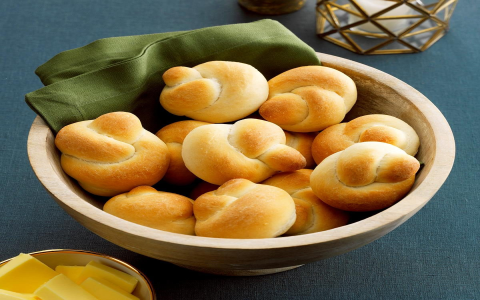
Baking, a timeless culinary craft, has delighted communities across the globe for generations. By applying gentle heat, simple ingredients are transformed into fragrant breads, tender cakes, flaky pastries, and crisp cookies. This guide explores both the creative joy and the precise science behind baking, showing why it remains a cherished part of daily life.
The Importance of Baking
Baking matters because it blends nourishment with creativity. A home oven can turn everyday staples into comforting meals, while also offering a canvas for imaginative flavor pairings. Many people find the rhythmic steps of measuring, mixing, and glazing surprisingly calming, turning the kitchen into a quiet retreat from busy routines.
The Science of Baking
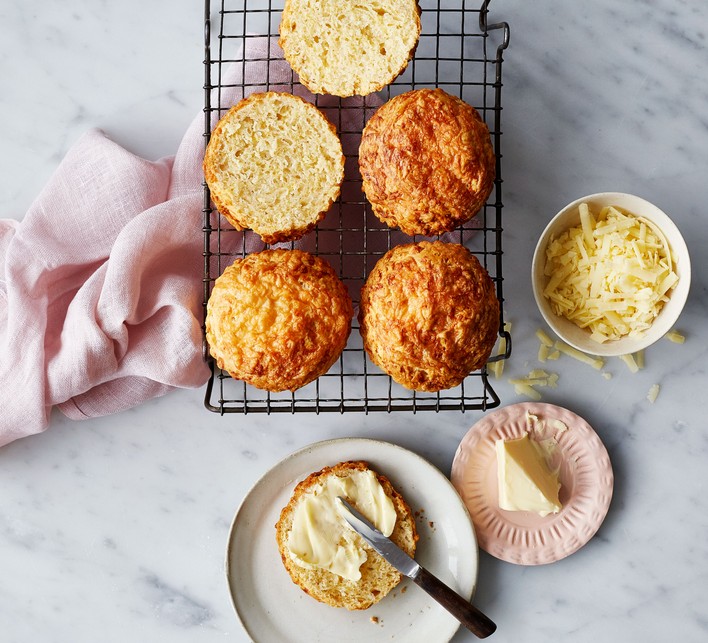
Every loaf or cupcake is a miniature chemistry experiment. Heat triggers the Maillard reaction, giving crusts their golden color and nutty aroma. Starches absorb liquid and swell, lending structure, while proteins coagulate to trap air bubbles. Understanding these reactions helps bakers predict texture, color, and rise before the timer even rings.
Techniques and Ingredients
Consistent results come from mastering a handful of core ideas:
Mixing Techniques
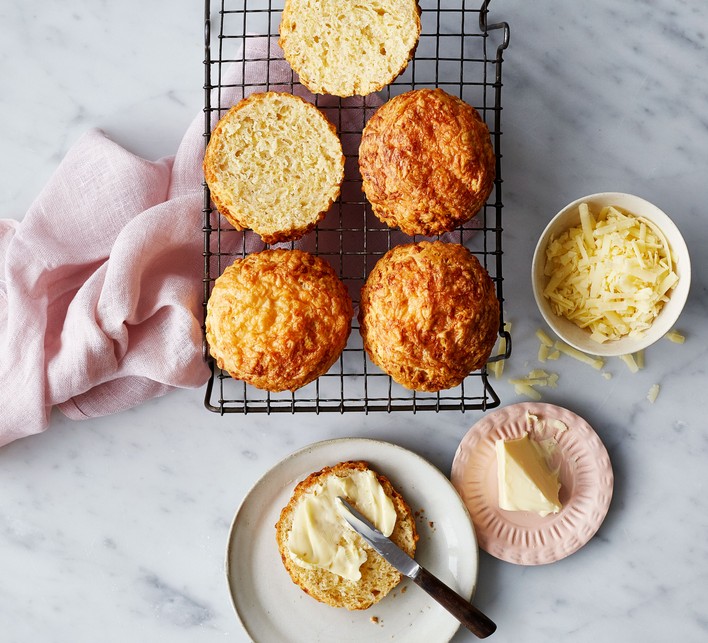
Creaming butter and sugar until pale traps air for light cakes; folding flour into mousse keeps batters airy; gentle kneading aligns gluten for chewy bread. Each method exists to control how much air stays in the mix and how tough or tender the final crumb becomes.
Leavening Agents
Baking powder, baking soda, and yeast release carbon dioxide when they meet moisture and heat. Choosing the right leavener—and checking its freshness—decides whether muffins crown proudly or pancakes stay pleasantly flat.
Flour and Starches
High-protein bread flour builds strong, elastic doughs, while low-protein cake flour yields delicate crumbs. Starches such as cornstarch or arrowroot thicken custards and stabilize whipped creams without clouding flavor.
Fats and Sugars
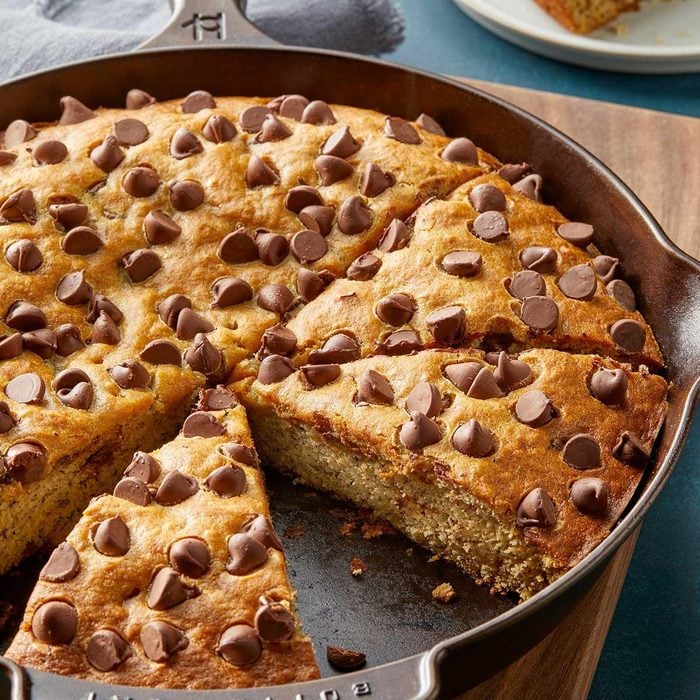
Butter brings flavor and flakiness, oil keeps cakes moist for days, and coconut oil adds subtle aroma. Sugars sweeten, but they also tenderize, hold moisture, and help crusts caramelize. Balancing the two is the secret to a dessert that tastes rich yet feels light.
The Impact of Baking on Our Lives
From morning toast to birthday cake, baking shapes everyday rituals:
Nutritional Benefits
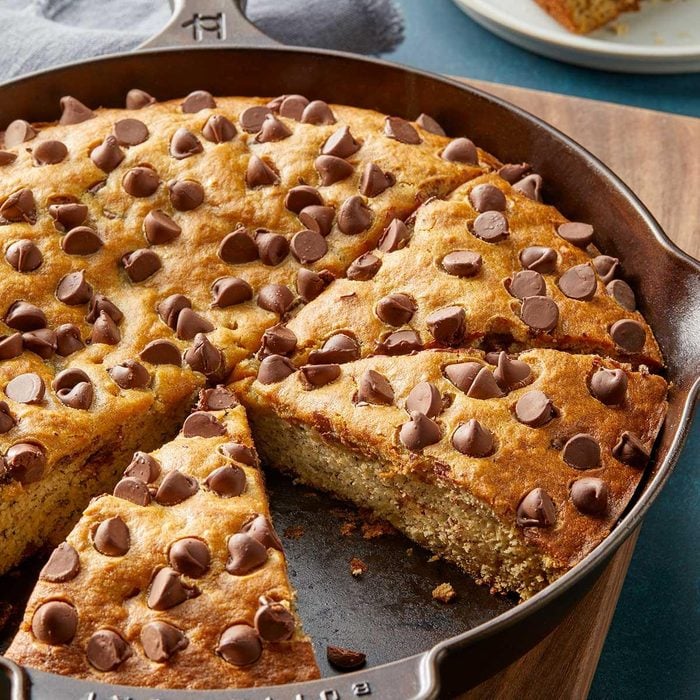
Compared with deep-frying, oven baking uses less added fat. Swapping in whole-grain flours, fresh fruit, or unsweetened purées can boost fiber and vitamins without sacrificing taste.
Social and Cultural Significance
Sharing a still-warm loaf or a tray of cookies turns strangers into neighbors and transforms holidays into memories. Recipes travel across generations, carrying stories along with spices.
Economic Impact
Neighborhood bakeries, ingredient suppliers, and equipment makers form a vibrant network that supports local jobs and keeps regional food traditions alive.

Conclusion
Baking unites precision and playfulness. By learning a few scientific principles and practicing classic techniques, anyone can fill a home with inviting aromas and create edible gifts that speak louder than words. The reward is not just a perfect slice, but the quiet pride of turning humble ingredients into something unforgettable.
Future Research and Recommendations
Exploring plant-based fats, reduced-sugar formulas, and energy-efficient ovens can make baking more inclusive and sustainable. Community workshops, online tutorials, and school programs can inspire new bakers to keep the tradition evolving, one whisk at a time.


